The medical room dictates the creative direction for Clash in Italy
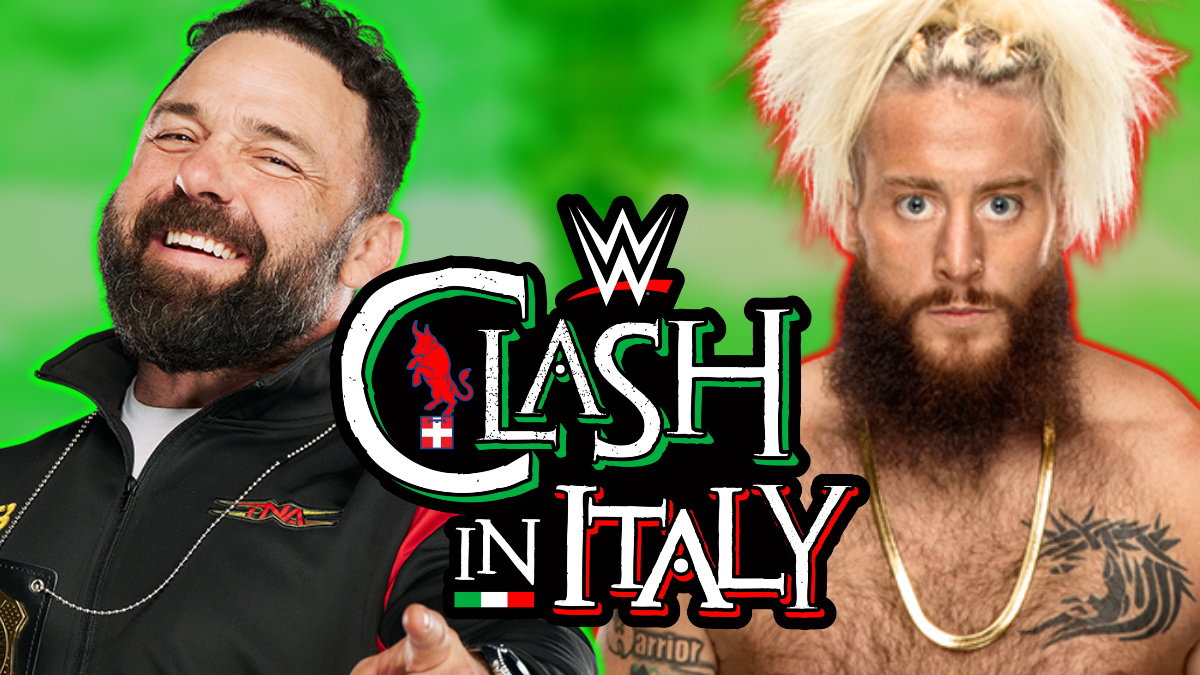
The build toward WWE Clash in Italy 2026 has been marked by a medical transparency typically unseen in the professional wrestling industry. While WrestleTalk reports that the card is slated to be among the most star-studded of the year, the reliance on returning legacy talent highlights a growing roster instability. Injuries are currently stalling momentum for several mid-card pillars and tag team specialists.
The current rotation of talent is struggling to absorb the impact of a high-frequency travel schedule. Wrestlers are competing in cross-continental segments with minimal recovery downtime, creating a compounding fatigue effect. When a performer suffers a soft-tissue injury in today's high-stakes environment, the shelf-life for their return is often forced into a tight, eight-week window to remain relevant for upcoming premium live events.
Analyzing the recovery timelines
Managing post-match recovery has become a secondary industry within the locker room. Specialists are now embedded with road crews to mitigate the recurring risks of lumbar strain and ligament instability that plagued the roster throughout early 2026. The shift toward more high-impact, aerial-heavy styles in the undercard has only increased the frequency of these minor, recurring absences.
We have seen this pattern before during the 2024 expansion phase, where aggressive expansion led to a direct increase in talent being sidelined for extended periods. The current strategy appears to be a reactive approach—cycling in veteran talent to keep match quality high while the primary stars undergo rehab. It is a stop-gap measure that keeps television ratings consistent but hides the structural wear and tear.
The strategic risk of heavy reliance on part-time returns
There is a notable flaw in the current booking philosophy favoring major international returns to fill injury-led voids. By relying on legacy stars to anchor events like Clash in Italy, the promotion risks stalling the development of the existing youth core. When a brand-new talent is pushed during an injury-plagued month, they are often overshadowed by the return of a retired fan favorite.
This is a short-term win for ticket sales but creates a long-term problem for character equity. If a talent is injured, their momentum should transition to their upcoming opponent, but the booking office is frequently ignoring this reality. Instead of utilizing the injury window to elevate a challenger, the focus reverts to established names whose legacy is already secured.
The financial and creative impact on the product
The industry currently lacks a unified protocol for how long an athlete must remain off television following common concussive events or joint sprains. While some performers return within 14 days, others linger on the sidelines for months without clear public updates. This inconsistency forces creative teams to write segments on the fly, leading to disjointed storylines that lack a coherent narrative arc.
Competitors in the independent scene are watching this fallout closely. They see the WWE roster as a high-reward, high-risk environment where job security is tied to physical durability. For the fans, the result is clear: a product that feels increasingly fragmented, relying on nostalgia to cover for a physical toll that the current schedule simply cannot support indefinitely.
Historical context and the long-term outlook
Looking back at the physical demands placed on wrestlers over the last decade, the current fatigue levels are not unprecedented. However, the intensity of the schedule leading up to summer international events has accelerated the injury rate. Historically, companies that ignored this curve found their pay-per-view draws severely weakened by the time they reached the autumn season.
The reliance on veteran talent for events like the upcoming Italian showcase is a clear indicator that the back-end depth is currently thinner than management cares to admit. If the medical department does not secure a more effective rhythm for mid-card recovery, the promotion will face a significant talent deficit by the time the winter cycle arrives. The window for adjustment is closing rapidly, especially with the added physical pressures of the upcoming international summer sports calendar.