The financial juggernaut hits a commercial wall
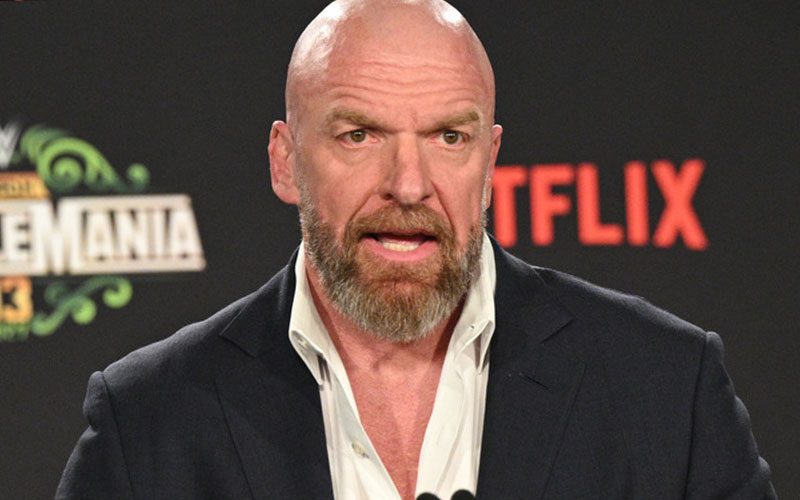
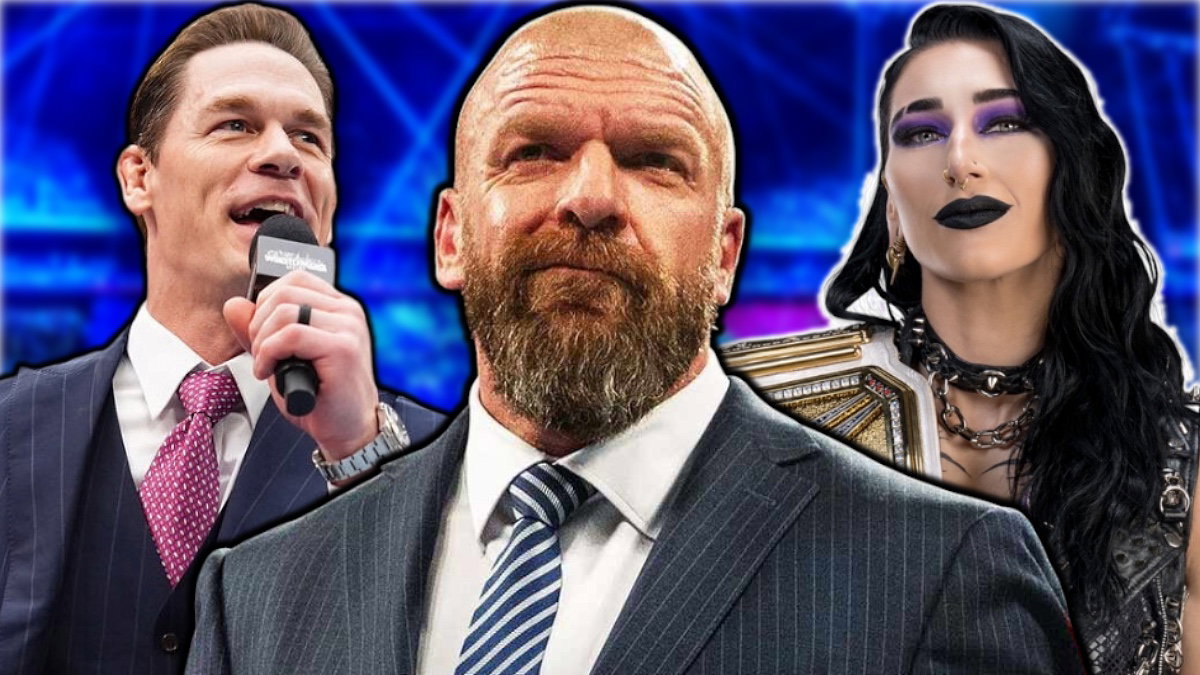
Paul Levesque is having an undeniably excellent year on paper. The WWE Chief Content Officer recently inked a new, lucrative contract. The move prompted former WCW executive Eric Bischoff to publicly declare that Triple H straight-up deserves a raise. If you strictly analyze the balance sheets, the staggering gate receipts, and the sheer volume of merchandise moving through international arenas, Bischoff’s assessment is completely accurate.
The corporate machine is operating at a frighteningly efficient level right now. But while the boardroom high-fives continue unabated, the actual week-to-week television viewing experience is quietly transforming into a grueling, patience-testing endurance run.
The complaints regarding the structure of the shows have been simmering beneath the surface of the internet for months. Usually, they are relegated to frustrated Reddit threads and post-show podcasts. But they are finally boiling over into undeniable, mainstream criticism. This isn't just a few hardcore fans analyzing match times anymore. Actor O'Shea Jackson Jr. recently went public with his frustrations. As WrestlingNews.co reported, he told Levesque and Stephanie McMahon directly that the current ad structure is "crazy" and completely "unwatchable."
"The ads are crazy. Unwatchable." - O'Shea Jackson Jr. to WWE management.
He is absolutely correct in his assessment. Anyone who has attempted to sit through a recent, three-hour episode of Monday Night Raw live can attest to the sheer frustration of the current layout. We are routinely seeing compelling, high-stakes matches chopped into disjointed, unreadable segments.
A worker hits a massive suicide dive to the floor, the crowd rightly erupts, and immediately we are forced into a split-screen or a full, three-minute break to sell fast food or car insurance. It completely derails the hard-earned momentum. It fundamentally ruins the psychological flow of the work in the ring. You simply cannot build a dramatic near-fall or establish a complex limb-work narrative when the audience has been aggressively trained to expect a commercial break the moment the action spills to the outside.
The MVP critique and the legacy of "The Nose"
This severe pacing problem isn't just a minor annoyance for the viewer sitting on their couch at home. It actively, tangibly harms the talent working in the ring. When you have significantly less uninterrupted television time to tell a coherent story, the performers trying to break through the notoriously difficult midcard ceiling suffer the most. This reality makes the recent, highly publicized comments from MVP hit a little harder, and feel a little more relevant, than they might have a year ago.
In a sharp, calculated jab at his former boss, whom he derisively referred to as "The Nose," MVP asked a blunt and uncomfortable question. How many people do you actually remember Triple H getting over during his active in-ring career? It is a harsh, pointed critique, heavily colored by MVP's own complicated history with WWE management and his recent departure. But it forces us to look critically at the current roster construction and who is actually benefiting from the television time.
Yes, the absolute top of the card is arguably the hottest it has been in two decades. The ongoing Bloodline saga, Cody Rhodes' championship reign, and the pursuit of the top titles drive the massive viewership numbers. But the midcard often feels like a stagnant holding pattern. It is a place where momentum goes to die. When a twenty-minute television match is constantly interrupted by network obligations, it's nearly impossible for a rising star to build the kind of sustained, organic crowd connection that turns a midcard worker into a legitimate, undeniable main eventer. They are given fragments of time to connect, rather than a canvas to paint on.
We see the developmental system desperately trying to inject fresh blood and new styles into this environment. Naraku just made his highly anticipated in-ring debut on the May 12 episode of NXT, bringing a distinct, hard-hitting NJPW edge to the Performance Center. The matches down in Florida often have a significantly better flow simply because the commercial demands are slightly less oppressive on the USA Network compared to network television.
But the transition to the main roster remains a perilous, career-defining jump. A nuanced gimmick or a slow-build wrestling style that works perfectly in front of a dedicated, attentive NXT crowd can easily get completely lost in the shuffle. It gets squeezed tightly between three different ad breaks on a chaotic Friday night episode of SmackDown.
The echo chamber of the global leader
WWE's immense, undeniable popularity under Levesque also creates a bizarre, self-sustaining echo chamber. It insulates the company from the realities of the broader professional wrestling industry. You see this dynamic play out constantly in how a specific segment of fans interact with talent operating outside the immediate WWE bubble.
Just this week, former AEW World Champion MJF had to publicly fire back at a fan online. The fan openly begged Triple H to sign MJF and bring him to WWE, while casually admitting in the exact same breath that they had never actually watched a single minute of AEW programming. This brief online interaction is incredibly telling regarding the state of the industry.
There is a massive, highly profitable segment of the current audience that consumes WWE not necessarily for the love of professional wrestling as an art form. They watch simply because WWE is the default, ubiquitous global brand. It is the Kleenex or the Xerox of sports entertainment. They don't particularly care about the stilted pacing of the matches. They ignore the structural flaws in the television formatting, or the lack of cohesive midcard storytelling, because the production values are exceptionally high and the brand name is comforting and familiar.
That kind of blind, unwavering brand loyalty gives Levesque and his creative team a massive, incredibly comfortable cushion to operate within. They can afford to run heavy, intrusive ad loads because they know the core audience isn't going to turn the channel in protest. They can easily absorb bitter critiques from guys like MVP because the bottom line continues to grow at a record pace. But patience is rarely infinite, even in the tribal world of professional wrestling fandom.
Looking toward a crowded summer schedule
As we push toward a massive, demanding summer schedule, with AEW Double or Nothing looming just eleven days away on May 24, the stark contrast between the two major American companies will only become sharper and more heavily scrutinized. AEW certainly has its own well-documented structural and booking issues. But they rarely struggle with basic match pacing in the way modern WWE programming frequently does. WWE desperately needs to figure out how to balance its relentless, highly successful monetization strategies with a weekly television product that doesn't actively punish the viewer for tuning in.
If the actual wrestling matches continue to feel strictly secondary to the commercial breaks, the immense goodwill this current regime has built over the past two years will slowly but inevitably start to erode. The midcard cannot continue to stall out completely due to a severe lack of uninterrupted, focused television time. The honeymoon phase won't last forever, especially with a fan base that is famously fickle.
I fully expect we will see a slight, begrudging adjustment to the formatting of Monday Night Raw before the year is out. The network partners are paying exorbitant fees for sustained viewership, and viewer fatigue is a real, measurable metric that affects ad rates. Look for WWE to experiment with longer, uninterrupted blocks of in-ring action in the opening first hour to hook the audience, before heavily loading the back half of the show with their required commercial obligations. But until that structural balance definitively shifts, the grueling three-hour Monday night grind is going to remain exactly that: a chore that you endure, rather than a show you truly enjoy.