The shifting hierarchy in the NXT broadcast booth
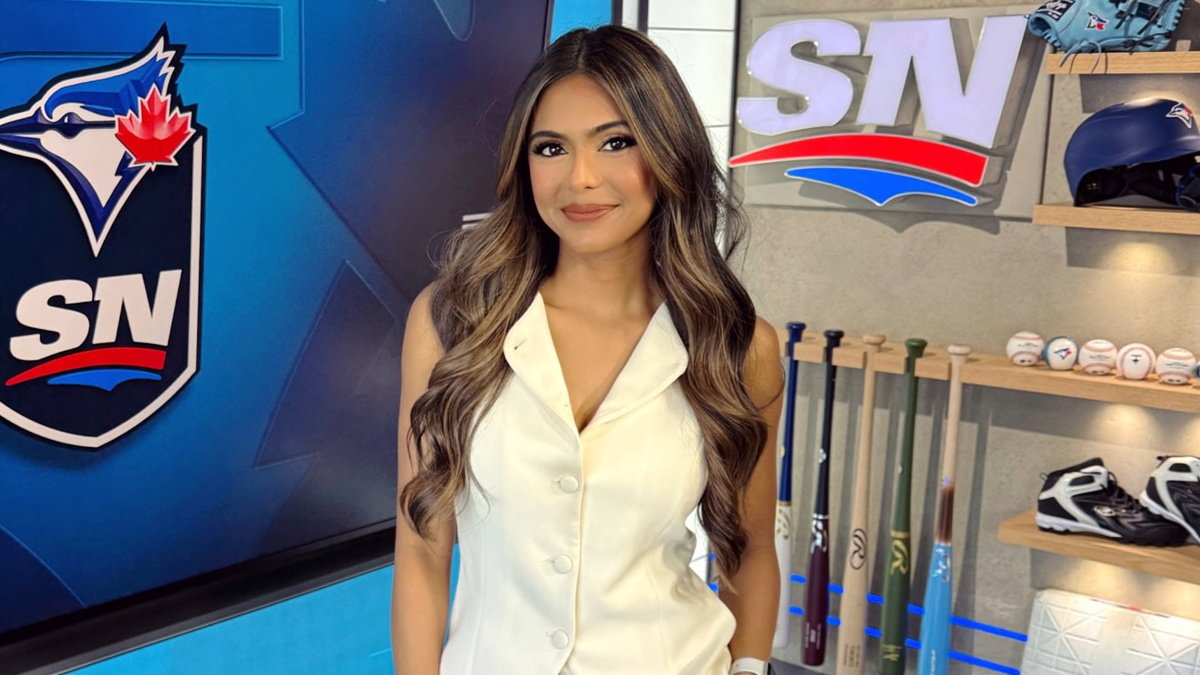
Professional wrestling is rarely just about the action inside the squared circle. The machinery behind the telecast—the play-by-play callers, the analysts, and the backstage interviewers—often dictates how we perceive the stakes of a match. With the recent announcement that Sportsnet host Emily Agard is joining the WWE NXT broadcasting team, the company is signaling a pivot toward a more polished, rapid-fire style of presentation.
This move comes at a moment of transition for the NXT brand. Having recently navigated the departure of established backstage talent, the organization needs a seamless injection of energy. Agard brings a background in mainstream sports, which typically translates to a more disciplined approach during high-pressure live segments. She is expected to balance the frantic scheduling demands that NXT requires of its on-air staff.
Tactical implications for backstage talent
In the modern product, the backstage interview segment is no longer just a filler break for the audience. It is often the primary vehicle for advancement in character arcs. When a wrestler finishes a grueling 15-minute contest and is immediately thrust into an interview, the broadcast partner must be able to pivot on a dime. They need to extract the narrative from the athlete while avoiding the dreaded dead air that can deflate a post-match hype sequence.
Agard’s background suggests she will be utilized to raise the floor of these segments. Watching how she handles talent during potential double-crosses or post-match beatdowns will be the true test of her integration. If she can replicate the snappy, objective journalistic style she utilized during her stint at Sportsnet, NXT will have secured a reliable asset for its future premium live events.
Critical questions for the transition
However, bringing in outside talent is never without friction. There is a specific rhythm to the wrestling broadcast booth that is notoriously difficult for traditional sports anchors to master. It requires knowing when to talk and when to let the crowd carry the audio. NXT has historically relied on a very specific, high-intensity personality profile for its employees.
If the chemistry does not catch immediately, the broadcast could suffer from a lack of cohesion. We have seen recent personnel changes within the WWE ranks, and the pressure on Agard will be high from day one. I suspect we will see her take over the heavy lifting of the backstage beat before we see her elevated to a commentary desk role.
The prediction
I predict that Agard will be fully integrated into the weekly broadcast rotation by the time the company hits the road for its next series of special events. It is a smart piece of business that fills a vacancy left by recent departures, providing a much-needed steady hand for what remains a volatile and fast-paced show. The transition should be smooth, provided she embraces the inherent improvisational nature of the industry.