The shift toward immediate readiness
WWE’s recent scouting operations suggest a departure from the developmental status quo. We are watching a clear move toward importing established talent that requires minimal seasoning before hitting television. The interest in Richard Holliday and Hiromu Takahashi confirms that Triple H is prioritizing veterans who carry existing equity.
Holliday brings a polished presentation that translates well to an NXT environment that is already oversaturated with green prospects. If Takahashi transitions, we are looking at a stylistic clash against the current cruiserweight-adjacent roster. It is a necessary hardening of a division that often lacks grit.
The Australian influence on tag team booking
Linking up with Scott Green and Tuckman is the most fascinating development of late. Tag team wrestling in WWE has been in a holding pattern, often relying on randomly assembled pairs rather than organic chemistry. Adding a team like this aims to stabilize the tag hierarchy from the bottom up.
Technical wrestling from the Australian indie circuit usually emphasizes high-impact offense over the safe, plodding style often found in mid-card television programs. If these signings go through, expect the NXT tag titles to be involved in 15-minute bouts within their first quarter on the roster. It is a gamble, but a calculated one given the current lack of dedicated tag units.
The cold reality of roster churn
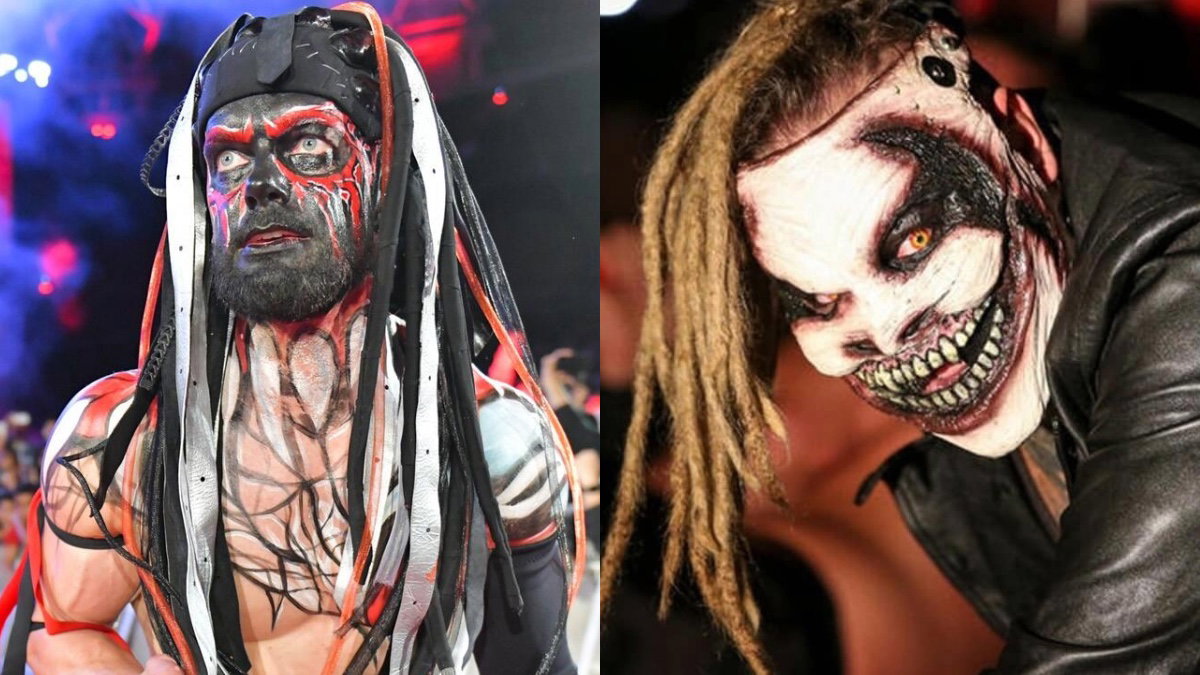
Not every signing works out, and the current aggressive recruitment brings a high frequency of roster churn. History indicates that for every breakout star like Finn Balor, there are three other indie acquisitions who struggle with the transition to sports entertainment, often buried in the Performance Center for years.
My gripe remains the reliance on external validation. Managing talent development should be the priority, yet here we are, raiding the independent circuit instead of optimizing the internal pipeline. A talent-heavy roster does not guarantee improved storytelling, especially when the creative team struggles to manage current depth.
I predict that at least one of these high-profile acquisitions will be off the main television rotation within 18 months. The transition from independent wrestling to the specific demands of WWE production is a brutal filter. It is about consistency, not just moves per minute, and that is where many of these hopefuls hit a wall.
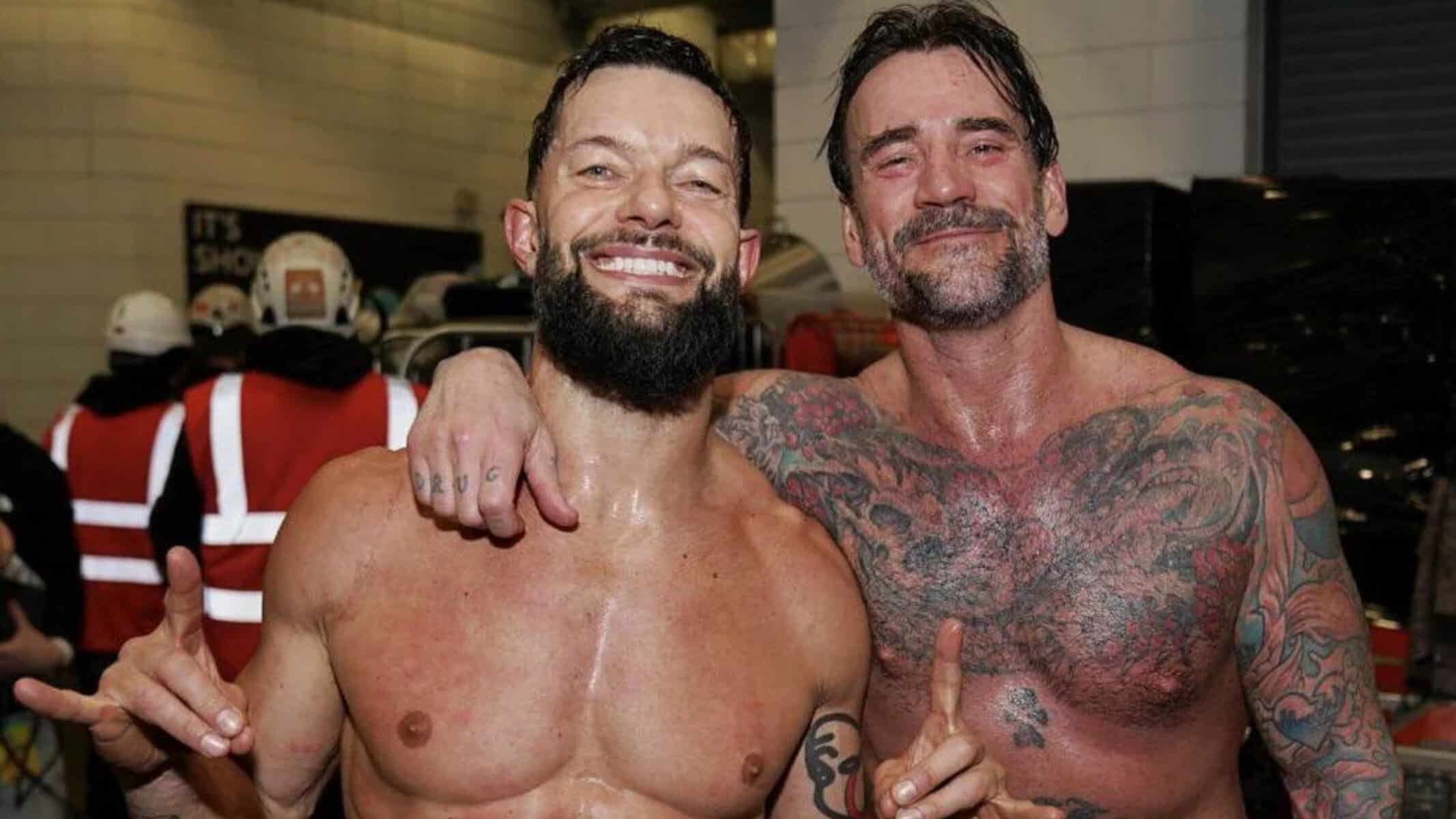
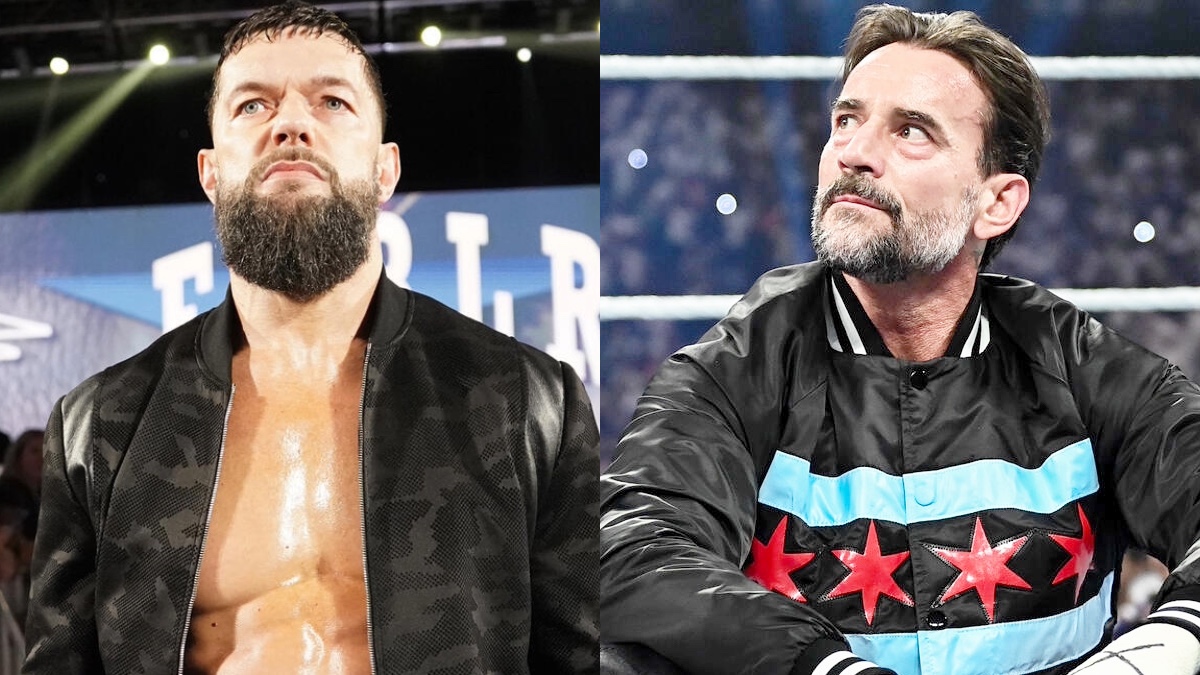
Ultimately, WWE is betting on volume to fix a systemic issue with roster diversity. They will secure at least three of the four names mentioned across recent reports by the end of Q4. The tactical goal is clear: pack the middle of the card with talent that can work a decent 12-minute match while the top of the card deals with the CM Punk and Balor-level headliners.