The mechanical failure of the corporate broadcast
Audio in professional wrestling is a tactical instrument. It is just as important to the psychological manipulation of the audience as the timing of a kickout or the spacing of a hot tag. If the commentary desk fails to match the physical intensity in the ring, the match dies on television. You can have two generational workers putting on a clinic, but if the voices calling the action sound like they are reading off a corporate spreadsheet, the home viewer completely disconnects.
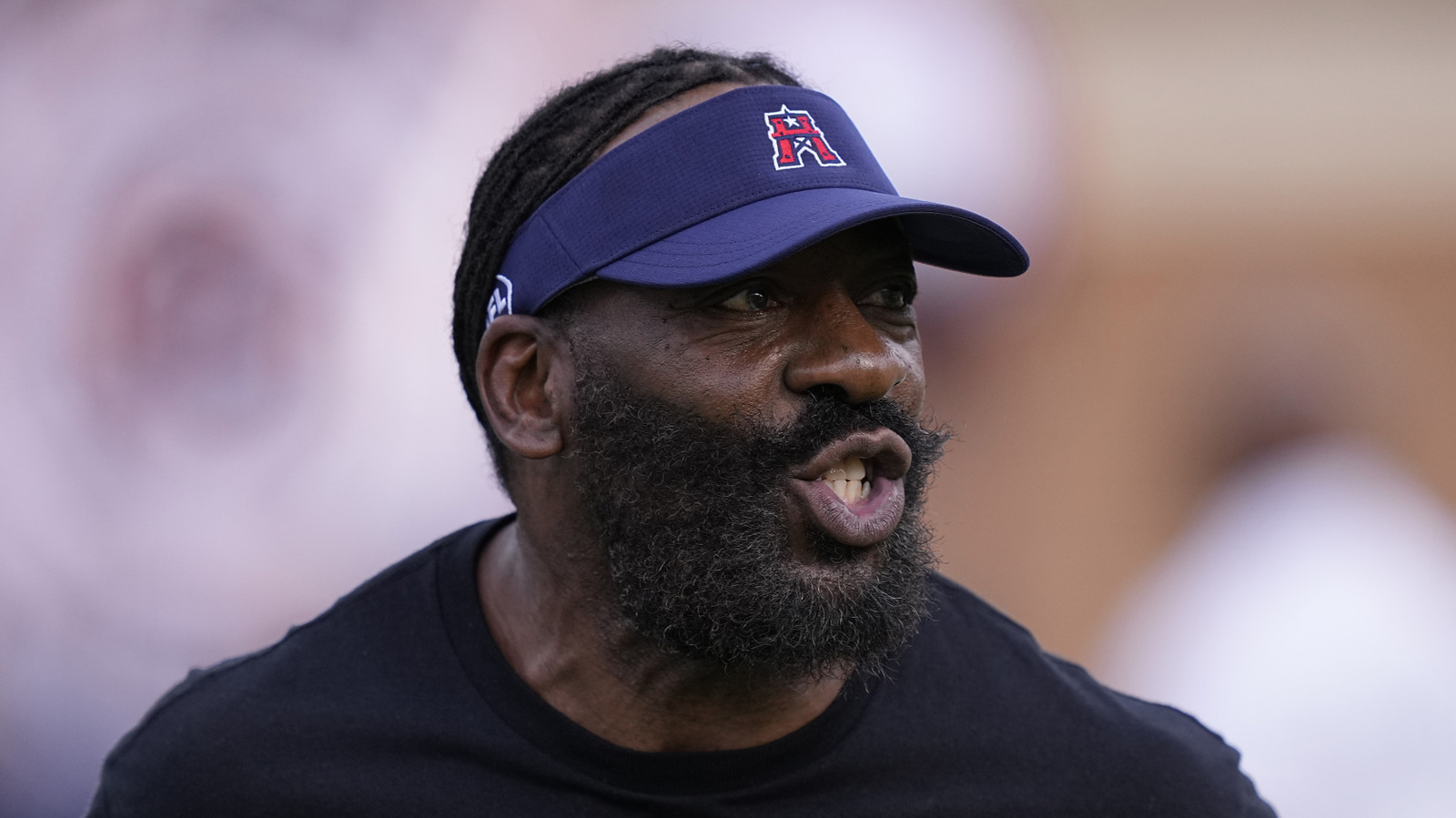
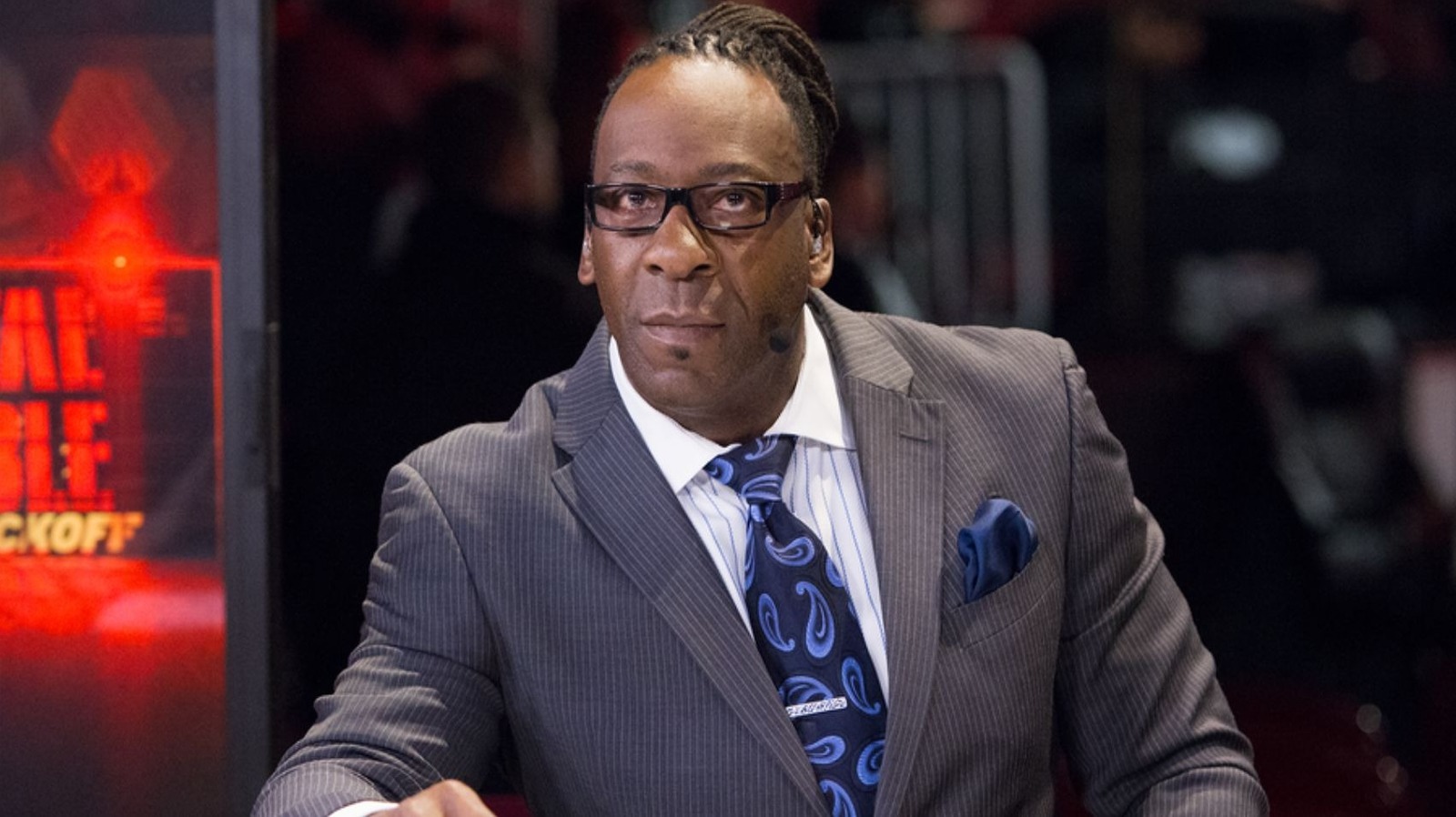
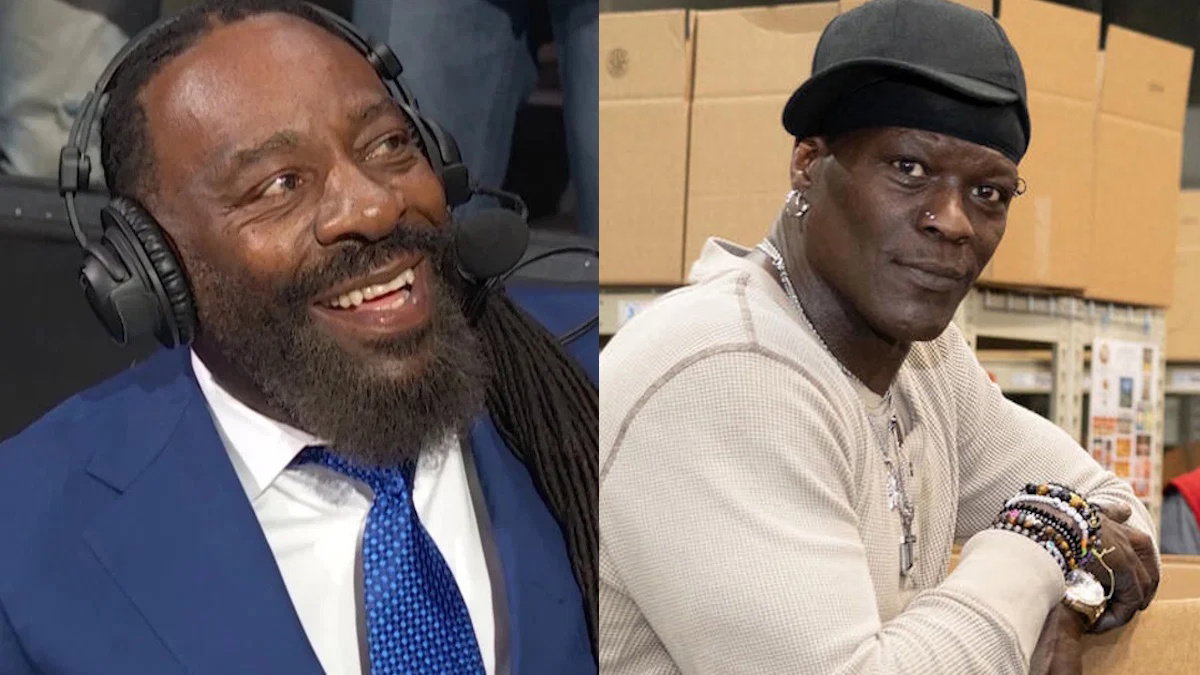
This is why Booker T’s recent admission about his main roster commentary runs is so vital to understanding WWE’s broader broadcast philosophy. Addressing his previous stints at the Raw and SmackDown desks, Booker flatly explained his lack of comfort in the role.
"I was filtered, they wanted me to act like a real commentator."
That single sentence explains a decade of frustrating WWE television. The company’s historical obsession with sounding like a legitimate, mainstream sports broadcast has frequently gutted the actual emotion of the product. They want the polished cadence of an NFL on Fox broadcast. They want Jim Nantz calling the Masters. But professional wrestling is a loud, chaotic, carny circus. Trying to call a bloody cage match with the measured restraint of a third-down conversion is fundamentally broken.
The mandate to act like a "real commentator" removes the exact trait that makes ex-wrestlers valuable at the desk. You do not put a two-time Hall of Famer in the booth to read ad-reads for pizza rolls with perfect diction. You put him there because he knows what it feels like to take a German suplex. When you filter that experience to appease network executives, you get sterile, unwatchable television.
The Tuesday night sanctuary
Which brings us to NXT. Booker was moved to the developmental brand’s booth in October 2022. According to his recent comments, the assignment was originally meant to last just three months. He was a placeholder. A veteran presence to shake up a desk that had struggled to find a consistent rhythm.
Almost four years later, he is still there. He stayed because he loves it. And he loves it because nobody is telling him to act like a traditional broadcaster anymore.
NXT operates under different mechanical constraints than Raw or SmackDown. It is filmed in a smaller, static building in Orlando. The audience is comprised of regulars. But most importantly, the production truck, currently run by Shawn Michaels' creative regime, seems far less interested in micromanaging the audio feed. They do not feed Booker corporate catchphrases. They let him react.
The difference in his performance is staggering. On the main roster, Booker always sounded like a man terrified of stepping on a landmine. He would start a sentence, hesitate, remember a directive he received in the pre-show meeting, and abruptly pivot to a sponsor mention. The organic charisma that made him a massive star in the ring evaporated the moment he put on the headset.
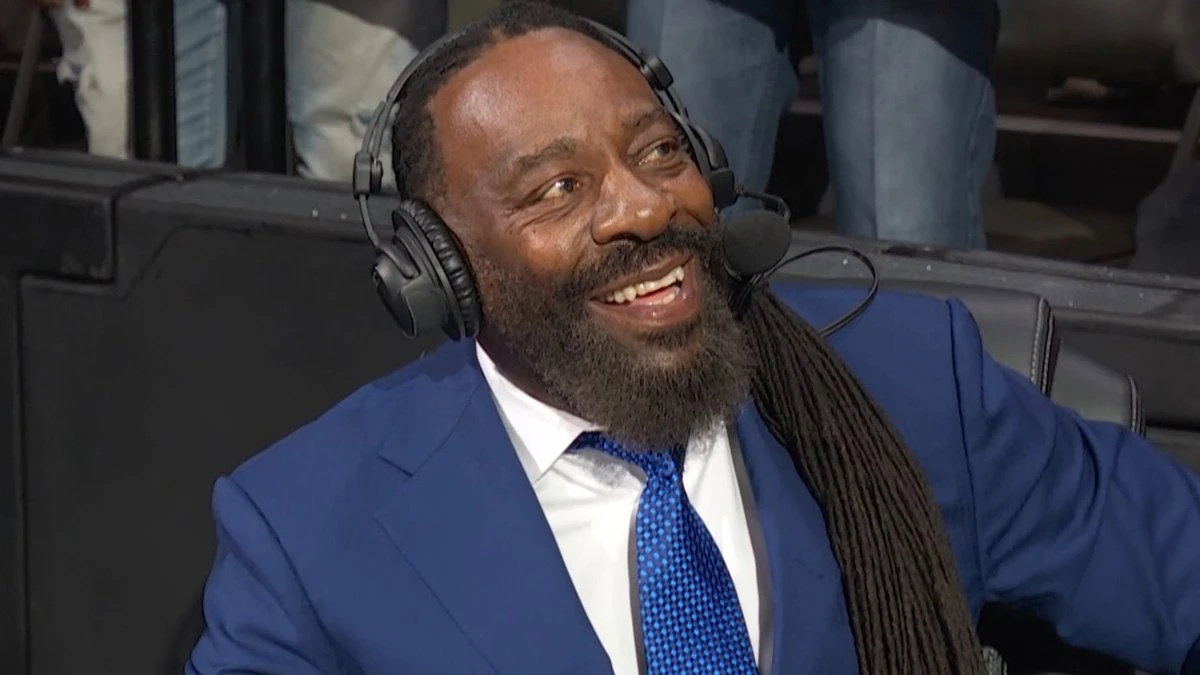
On Tuesday nights, he is completely off the leash. He yelps, he groans, he slams his hands on the desk so hard it occasionally clips the audio mix. He reacts to major spots not as an objective journalist, but as a fan who bought a ticket in the front row. When Trick Williams’ music hits, Booker loses his mind. That energy bleeds directly through the screen. It forces the viewer to care.
The structural brilliance of the two-man booth
This unfiltered approach only works because of the man sitting next to him. Vic Joseph is the unsung hero of WWE’s entire broadcast division. He is the traffic cop who allows Booker to be the car crash.
The two-man booth is the traditional standard of wrestling commentary, popularized by Gorilla Monsoon and Bobby Heenan, or Jim Ross and Jerry Lawler. One man calls the holds, names the moves, and plugs the upcoming premium live events. The other man provides the emotional color. In recent years, WWE heavily favored the three-man booth, a clunky setup that routinely results in announcers stepping on each other’s toes just to get their required lines on tape.
Joseph and Booker operate on a pure two-man wavelength. Joseph meticulously builds the narrative framework of the match. He notes the injured left shoulder. He points out the historical animosity between the competitors. He lays the foundation. Then, when the pacing accelerates and the false finishes begin, Joseph steps back and lets Booker just make noises.
It sounds ridiculous on paper. You cannot teach "making loud noises" in a broadcasting seminar. But wrestling requires a visceral reaction. When a wrestler kicks out of a devastating finisher at two-and-a-half, the audience does not need an analytical breakdown of shoulder placement. They need to hear a grown man scream in disbelief. Booker delivers that shock better than anyone else on the payroll.
A fundamentally flawed broadcaster
But let us be clear. Booker T is not a technically sound commentator. He is often a disaster. No serious analysis of his work can ignore his glaring mechanical flaws.
He routinely talks over his broadcast partner at the worst possible moments. He regularly loses the thread of basic storylines, sometimes completely forgetting the established heel and babyface dynamic of the match he is calling. He will inexplicably cheer for a villain who just cheated, simply because he likes their attitude, completely derailing the narrative the wrestlers are trying to build in the ring.
During complex submission sequences, he rarely identifies the actual torque on a joint. He will completely ignore a beautifully executed transition to talk about his own career. For fans who prefer the meticulous, move-by-move analysis of a Nigel McGuinness, Booker T is an absolute nightmare. He is sloppy. He is easily distracted. He breaks every established rule of sports broadcasting.
But in the modern WWE environment, that sloppiness is a feature, not a bug. Raw and SmackDown are so heavily sanitized, so violently over-produced, that the sheer chaos of Booker T is a massive relief. You forgive his inability to remember a storyline because you know his reactions are entirely authentic. He cannot be bought, and he cannot be scripted.
The broadcast prediction
WWE’s media footprint is shifting rapidly. With Raw settling into its massive Netflix deal and the production values across the board hitting unprecedented highs, the pressure from Endeavor and TKO Group to present a "premium" sports product will only intensify. The main roster desks will continue to be populated by broadcasters who know how to read off a teleprompter and hit their marks.
There is no place for Booker T on Monday or Friday nights. The executives in Stamford would put him right back in the filter. They would demand a real commentator.
My prediction? He never goes back. Booker T will finish his broadcast career down in Orlando. He was originally meant to be there for 90 days, but he will easily cross the five-year mark at that desk. He has become the definitive voice of the brand, anchoring Tuesday nights by simply refusing to learn how to do the job the corporate way. As long as Shawn Michaels is running NXT, Booker will stay exactly where he is — unfiltered, unpolished, and completely essential.
Read Next