The Kennedy Arrival and the Post-WrestleMania Refresh
WrestleMania season usually ends with a purge, but 2026 is seeing a rapid reload. Just ten days after Cody Rhodes walked out of Las Vegas with the WWE Championship and John Cena took his final bow, the company is pivoting to the future. WWE confirmed the signing of four new developmental athletes this morning, and while the group follows the usual template of high-level collegiate talent, one name has already set the social media cycles on fire.
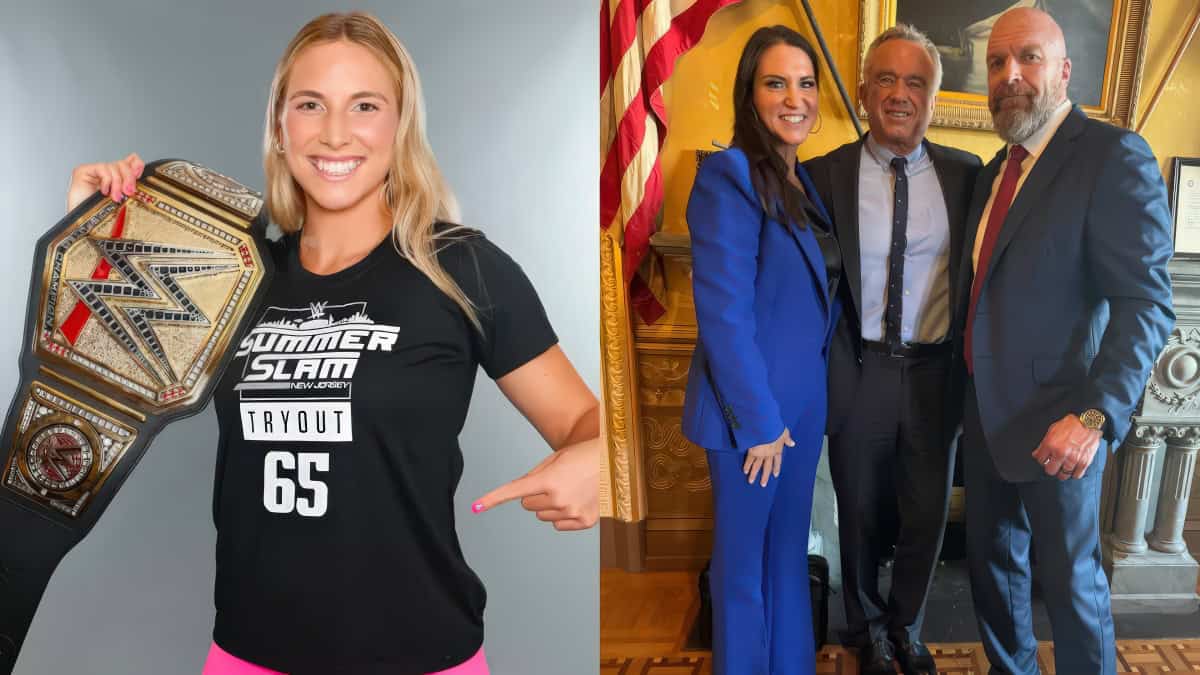
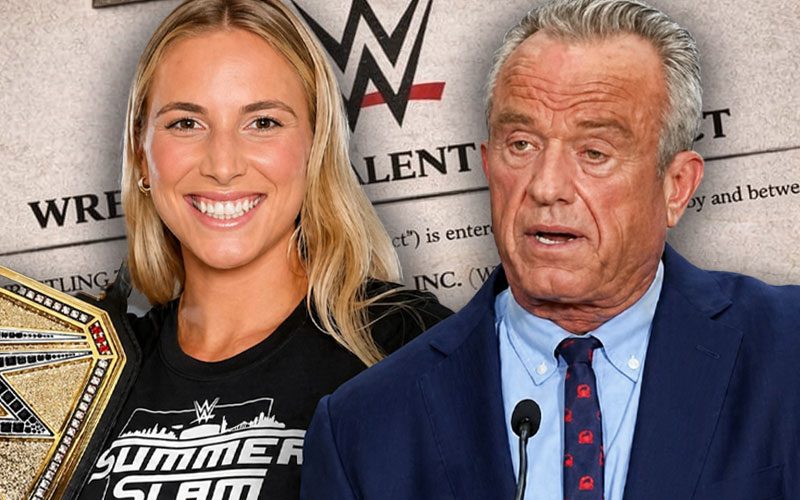
Zoe Hines is the marquee name in this recruitment class. The 21-year-old athlete enters the Performance Center with more than just a volleyball background; she is the niece of Robert Kennedy Jr. In the TKO era of WWE, mainstream crossover potential is the primary currency. Nick Khan and Triple H have been aggressive in pursuing names that can land on a CNN or Fox News ticker, and bringing a Kennedy into the fold for the developmental system is a calculated PR masterstroke that predates her ever taking a single bump in Orlando.
The announcement confirms that Hines is joined by three other prospects who emerged from the recent tryout cycles and the NIL (Next In Line) program. This is the new normal for WWE recruitment. The days of scouring high-school gyms for indie wrestlers with ten years of experience are largely over. The focus is now on the raw physical specimen—athletes who can be taught the WWE style from scratch without having to unlearn the habits of the independent circuit.
The NIL Machine: Why WWE is Hunting on College Campuses
The recruitment of Hines and her classmates is a direct result of the NIL pipeline that has fundamentally changed the NXT ecosystem. Since its inception, the program has sought to bridge the gap between NCAA athletics and professional wrestling. By signing athletes while they are still in college, WWE secures the rights to their image and begins the branding process before they even graduate. It is a corporate insurance policy against other promotions like AEW or the blossoming international scene snatching up top-tier physical talent.
We have seen the success stories of this model already. Tiffany Stratton and Sol Ruca are the blueprint. They entered the Performance Center with zero wrestling knowledge and within two years became some of the most fluid performers on the roster. The scouts in Orlando are betting that Hines possesses that same fast-twitch athleticism. The transition from a volleyball court to a twenty-foot ring requires a specific kind of spatial awareness, and WWE trainers have grown fond of the discipline found in D1 athletes who are used to grueling practice schedules and coachability.
However, the NIL path is not a guaranteed ticket to the main event. For every Bron Breakker who hits the ground running, there are a dozen athletes who never make it past the 'level one' rings at the PC. The physicality is one thing, but the theatricality is another. Learning how to cut a promo in front of Dusty Rhodes’ old chalkboard is often more daunting for these prospects than learning how to execute a perfect sunset flip or a localized high-cross body. Hines will be under more scrutiny than most given her family tree, a reality that can either accelerate a career or crush it under the weight of expectation.
The Transition from the Field to the Squared Circle
The three other signees in this class represent the diversity of the current scouting department. While the official names have not all been filtered through the WWE trademark office yet, the intake includes a former track standout and a heavyweight from the amateur wrestling world. This variety is intentional. Triple H has made it clear that NXT should look like a professional sports league, not a variety show. The goal is to build a roster of 'blue-chip' prospects who look like they belong on a billboard next to NFL or NBA stars.
The training regimen for these four will begin immediately. The first six months are often the most brutal. They will spend hours a day learning how to fall safely—a process that sounds simple but breaks the spirit of many elite athletes. They have to learn the 'psychology' of a match, which involves understanding why a move is done, not just how. In the modern era, fans are more discerning than ever. A beautifully executed dropkick means nothing if the athlete doesn't know how to sell the fatigue of a 15-minute encounter. The PC staff, led by Matt Bloom and Shawn Michaels, will be looking to see who has the 'it factor' that transcends mere physical capability.
I have seen world-class athletes quit after three days because they realize that wrestling isn't just about the highlight reel; it is about the grind of the house show loops and the mental toll of the road.
This quote, often echoed by veterans at the Performance Center, serves as the warning for the new class. The honeymoon period of the signing announcement ends the moment the boots are laced up. For Hines, the challenge will be carving out an identity that isn't just 'the politician's niece.' We saw how long it took for Charlotte Flair to move past being 'Ric Flair's daughter' in the eyes of the hardcore audience. Hines will likely start with a clean slate and a new name, but the internet never forgets a lineage.
The High Washout Rate of the Performance Center
Despite the glossy press releases, the success rate of the Performance Center remains a point of contention among industry analysts. There is a critical flaw in the 'athlete-first' philosophy: you cannot manufacture a passion for professional wrestling. Many NIL recruits view WWE as a secondary career path after their dreams of the Olympics or the NFL have faded. When the reality of the 300-day-a-year schedule and the physical toll of the mat sets in, many of these prospects opt for more traditional career paths.
The current washout rate for the PC sits at roughly 65 percent for athletes with no prior wrestling experience. That is a staggering number when you consider the investment WWE makes in their housing, training, and medical care. The 'mechanical' nature of some recent NXT graduates has also been a talking point. There is a noticeable difference between a wrestler who 'feels' the crowd and one who is simply counting the steps of a choreographed sequence. This is the biggest hurdle for the current class. They need to find their soul in the ring, not just their footwork.
Furthermore, the post-WrestleMania landscape is crowded. With the main roster currently bloated with talent from the recent draft, the path to a call-up is longer than it was two years ago. These four new signings are entering a system where they might spend three years in developmental before ever seeing a Monday Night Raw camera. For an athlete used to the immediate feedback of a college season, that kind of slow-burn career trajectory can be frustrating. The mental fortitude required to stay motivated in the Florida humidity is just as important as the ability to do a standing moonsault.
Probability Assessment: The Long Road to Tuesday Nights
Assessing the probability of success for this specific group requires a look at the historical data of the NIL program. While the 'celebrity' aspect of Hines gives her an edge in terms of visibility, the actual 'work' will happen in the dark. We are looking at a 12-month timeline before any of these athletes even appear on a 'Level Up' broadcast. A television debut on NXT is likely 18 to 24 months away. The probability of Hines becoming a fixture on the main roster by 2028 is currently a 'medium'—the physical tools are there, but the political baggage is a wild card in a corporate environment that hates controversy.
The other three signees face even steeper odds. Without the 'built-in' story of a famous last name, they will have to rely entirely on their performance and their ability to connect with the Full Sail or Performance Center crowd. Historically, the 'power' athletes (heavyweights and track stars) have a slightly higher success rate in the WWE system because their size is an asset that can't be taught. If the amateur wrestler in this class has the charisma to match his suplexes, he could be the dark horse to watch over the next year.
The expected impact of this signing class is more about the message it sends to the industry than the immediate shifts in the NXT title picture. WWE is doubling down on its identity as a global sports entertainment juggernaut that can attract the elite of the elite from other fields. As Wrestling Inc reported, the recruitment of Hines is a signal that the PC is open for business to anyone with a high ceiling and a marketable name. Whether they can actually wrestle remains the million-dollar question that will be answered on a Tuesday night in late 2027.