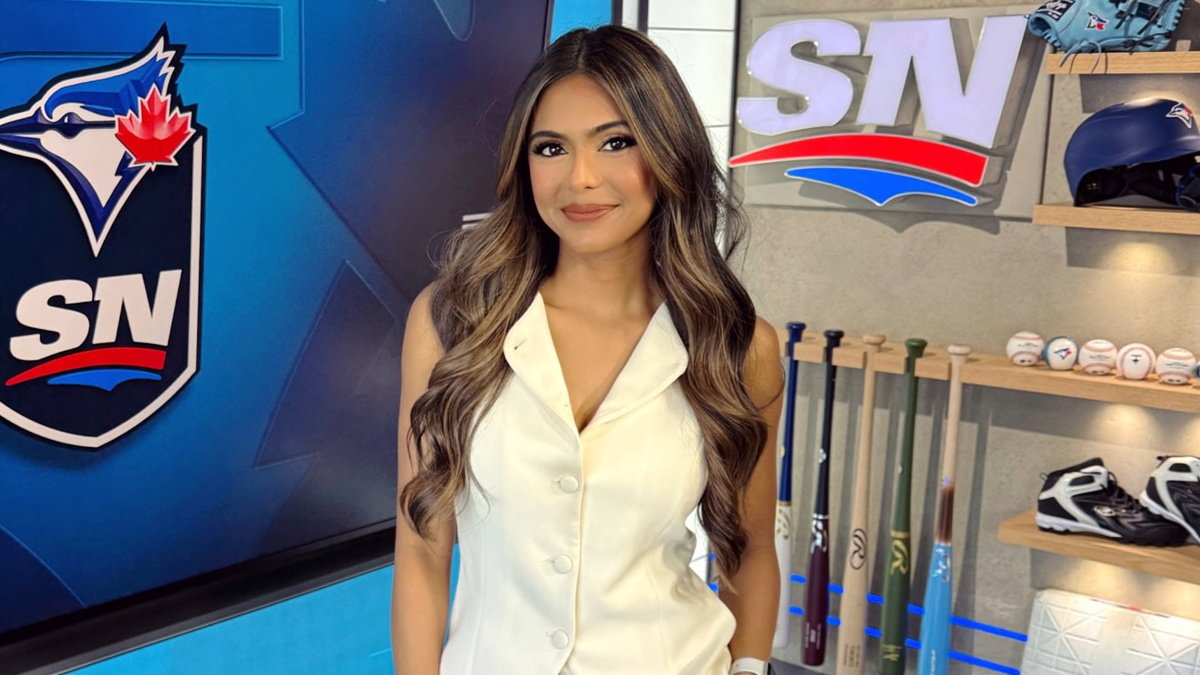
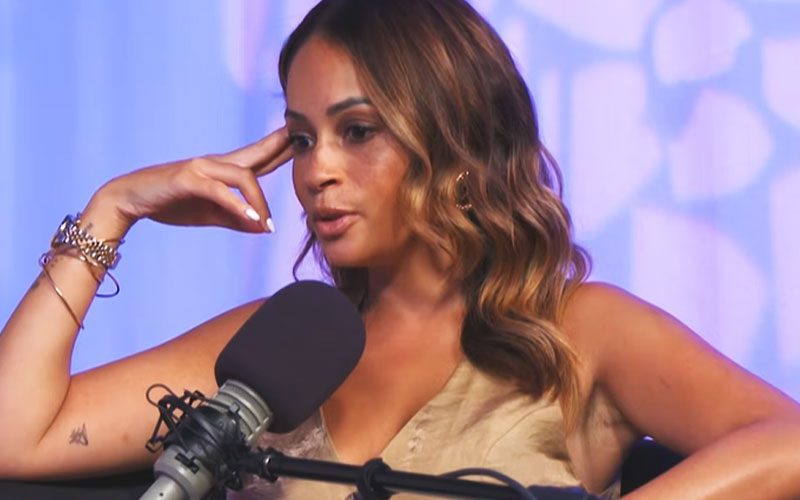
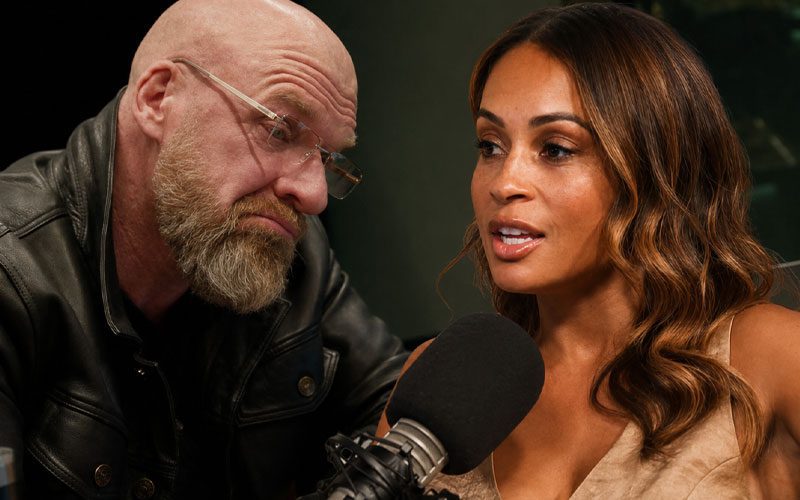
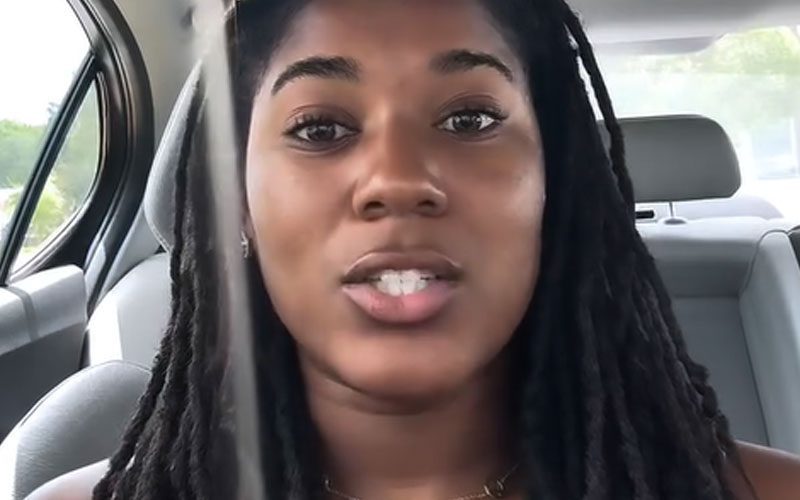
Kelly Kincaid is officially done with WWE. Reports surfaced earlier this year that she wrapped up her time in NXT back in February. Now, we know exactly what is next. She isn't jumping ship to AEW. She isn't returning to the independent wrestling scene to cut promos. Instead, Kincaid has traded the microphone for a pair of skates. She is heading back to her roots in competitive roller derby.
Kincaid debuted in NXT in early 2022. She brought a vastly different energy to the WWE developmental brand. Diehard fans of Ring of Honor already knew her as Quinn McKay. In ROH, she was quirky, analytical, and incredibly sharp on her feet. She could sell a main event with a thirty-second backstage read. When WWE picked her up, many expected her to quickly rise through the ranks. We thought she would become the next Renee Paquette. That absolutely did not happen.
Her exit is quietly significant. It says a lot about the rigid structure of the WWE broadcast desk. Kincaid spent the majority of her NXT run handling ring announcing for NXT Level Up and conducting standard backstage interviews. She did her job exceptionally well. She hit her cues, smiled at the correct camera, and kept the segments moving. But she rarely got to show the sharp wit that made her a fan favorite in Baltimore.
The Problem with the WWE Style
This brings us to a major criticism of the current WWE developmental process. NXT is fantastic at building in-ring talent. You can look at the roster right now and see the results. They can take a raw college athlete and turn them into a television-ready performer in eighteen months. The Performance Center undeniably works. But when it comes to broadcasters, the system is deeply flawed.
WWE wants a very narrow profile for its backstage personnel. You stand at a slight angle. You hold the microphone with the company logo facing outward at all times. You ask a slightly leading question. When the wrestler finishes their promo and storms off, you stare into the middle distance with a look of mild concern. It is entirely robotic. Kincaid was trained to break down holds and explain character motivations. In NXT, she was reduced to a human microphone stand while Bron Breakker barked about championships or Carmelo Hayes declared himself the A-Champion.
This is a massive missed opportunity.
When you restrict talented broadcasters to reading strictly scripted prompts, you lose the authentic reactions that make wrestling feel real. Think about Gene Okerlund reacting in horror to Randy Savage. Think about Paquette trying to hold back a laugh when dealing with Kevin Owens. We rarely saw that version of Kincaid in NXT. The company prioritized formatting over personality. That is a booking mistake that continues to hurt the television product on a weekly basis.
The Ghosts of NXT Interviewers Past
Kincaid is far from the first person to hit this exact wall in Orlando. The history of NXT is littered with talented broadcast personalities who came in with massive hype, only to be neutralized by the system. Think about McKenzie Mitchell. She was universally beloved by the fanbase. She had natural chemistry with the entire locker room. When WWE released her, the entire industry scratched their heads. The company simply did not know what to do with a backstage interviewer who had an actual personality.
Or look at Cathy Kelley during her initial developmental run. She eventually figured out how to navigate the main roster politics, but her early days in NXT were defined by the exact same restrictive formatting Kincaid faced. The production truck wants a very distinct visual. They want the interviewer to be entirely invisible the moment the wrestler starts talking. If you naturally emote or react to what is being said, you get yelled at through the headset. It is a grueling way to make a living.
This environment actively discourages creativity. When your only job is to memorize a thirty-second introduction and hold your arm at a forty-five-degree angle, you stop trying to pitch new ideas. You just punch the clock. Kincaid clearly wanted to do more than just punch the clock. Her background in Ring of Honor proved she could steer an entire broadcast. WWE never gave her the keys to the car. They barely let her ride in the passenger seat.
The Mechanics of Roller Derby
It is fascinating to see where Kincaid decided to pivot. Roller derby is not a gentle sport. It requires a tremendous amount of physical endurance, strategic thinking, and pain tolerance. You are constantly getting knocked into the rails. You have to anticipate your opponent's movements while moving at high speeds. It is violent, unpredictable, and entirely unscripted.
Compare that to the WWE Performance Center. Everything in Orlando is micro-managed. Every step, every camera cut, every word spoken on television is heavily scrutinized by a dozen producers in Gorilla Position. For someone with Kincaid's unique athletic background, that level of control must have felt suffocating. Returning to the roller derby track is the ultimate rejection of the WWE formatting. She is trading a sterile television studio for the bruised knees and authentic reactions of a real competition.
This transition also highlights the weird paradox of modern professional wrestling. The industry demands authenticity from its top stars, but it forces its broadcast personnel to behave like poorly programmed androids. Kincaid is an authentic personality. She thrives in environments where she can be herself. NXT failed to provide that environment, so she found one that does.
Looking Ahead to Backlash
We are just six days away from WWE Backlash. The premium live event hits on May 9, 2026. While the focus is heavily on the post-WrestleMania rematches, pay attention to the broadcast presentation. The main roster is currently going through its own transitions. The announcing teams are shuffling. The backstage interviewers are being asked to carry a massive amount of narrative weight.
Cody Rhodes is set for a massive title defense next weekend. The build has been heavily reliant on backstage promos and intense sit-down interviews. If you watch how those segments are conducted on Raw and SmackDown, you see the exact same rigid structure Kincaid dealt with on Tuesdays. The only real difference is the lighting budget and the size of the arena.
NXT is supposed to be the place where the company tests new ideas. They should be experimenting with different interview formats before bringing them to the main roster. Let the broadcasters ask tough follow-up questions. Let them get legitimately angry when a heel blows them off. Let them show actual fear when a monster like Oba Femi stares them down. Instead, the developmental brand strictly enforces the main roster rulebook. If a talent like Kincaid couldn't break out of that restrictive mold, who exactly will?
The Ring of Honor Legacy
It is worth taking a moment to remember what made Kincaid so good before WWE called. She anchored the ROH reboot during the brutal empty-arena pandemic era. When there were no fans in the building to generate heat, she was the glue that held the weekly television show together. She hosted the studio segments with genuine warmth and absolute professional polish.
More importantly, she understood the mechanics of professional wrestling. Kincaid didn't just ask wrestlers how they felt after a grueling match. She asked them about their specific ring strategies. She pointed out when a wrestler favored a bad knee in a previous bout. She would reference a dragon suplex or a triangle choke with the authority of an analyst. That grounded, analytical approach is sorely missing in modern WWE programming.
In roller derby, she will be back in an environment that thrives on chaos and unscripted moments. It is a grueling, physical sport that requires constant, split-second improvisation. That sounds like a much better fit for her skill set right now than reading bullet points off a teleprompter in a sterile Orlando studio.
What Happens to NXT Level Up?
With Kincaid gone, NXT Level Up has quietly reshuffled its deck once again. The Friday night show remains a vital training ground, but the broadcast turnover is constant. We have seen a revolving door of play-by-play voices, color commentators, and ring announcers over the past two years. Finding a permanent, recognizable voice for the developmental B-show is turning into a genuine headache for WWE production executives.
Level Up demands a unique breed of announcer. You are calling matches for rookies who frequently miss their spots. You have to cover up blatant mistakes in real-time. You have to explain convoluted gimmicks that are clearly in the beta-testing phase. Kincaid was excellent at smoothing out those rough edges and making the product look professional. The current crew is visibly struggling to find that same delicate balance.
You can see the difference on the weekly broadcast right now. The pacing feels slightly off. The transitions between matches are noticeably clunky. This is the hidden cost of losing an experienced professional like Kincaid. The casual fan might not notice the change immediately. But the overall presentation suffers when you rotate inexperienced personnel through key broadcast roles.
The Importance of the Broadcast Booth
We spend so much time analyzing match star ratings and booking decisions. We debate whether a Superkick is overused or if a world title reign has gone on too long. But the people holding the microphones dictate how we consume the product. They are the audience's primary connection to the talent.
WWE needs to look at the departure of Kincaid not as a random roster cut, but as a warning sign. You cannot mass-produce authentic human connection. You can teach a former football player how to run the ropes in six months. You cannot teach a broadcaster how to organically react to a shocking betrayal. That requires instinct.
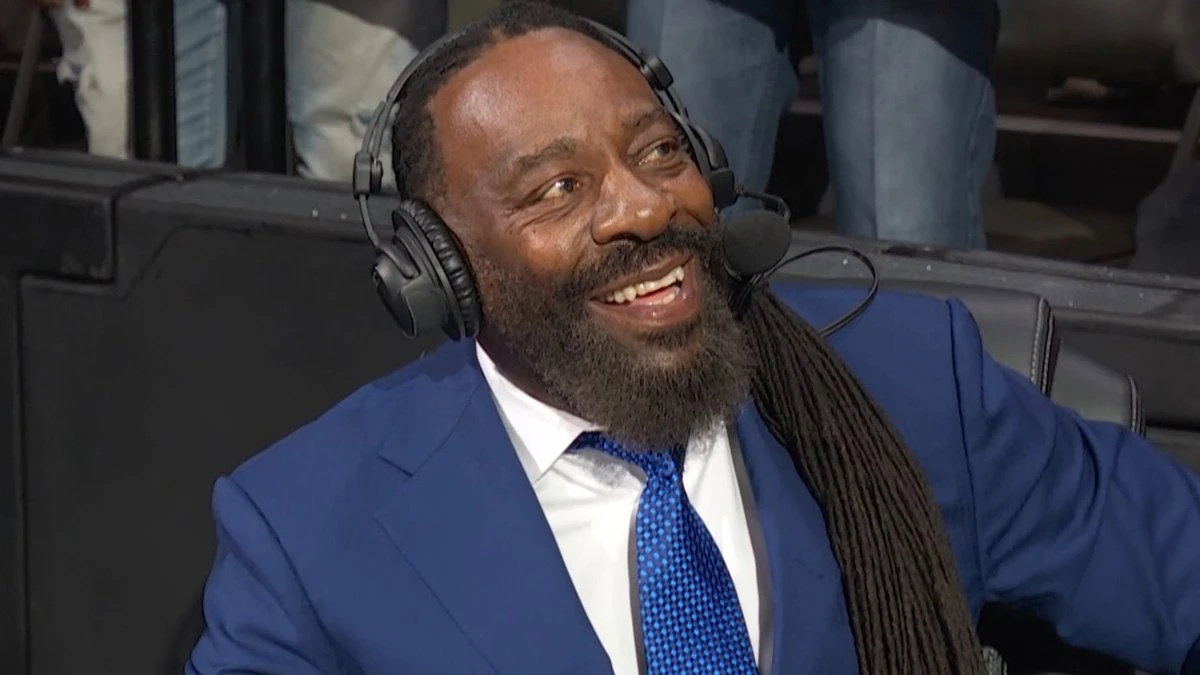
Right now, the NXT broadcast team feels like they are reading off index cards. Vic Joseph does excellent work carrying the play-by-play on Tuesday nights. Booker T brings unhinged, wildly entertaining energy. But the minute the camera cuts backstage, the energy instantly flatlines. The interviewers hit their marks, ask their generic questions, and stare blankly into space.
The Prediction
So, where does this leave the NXT broadcast booth moving forward? WWE will undoubtedly hire another former sports reporter or acting student to fill the vacancy left by Kincaid. They will put them through the standard corporate media training at the Performance Center. Six months from now, we will see another polished, perfectly adequate interviewer standing in the background while a wrestler screams about respect.
But my prediction goes beyond the immediate replacement. I predict WWE will entirely restructure its developmental broadcast program by the end of 2026. The current model is burning out too many talented people. You cannot keep hiring passionate wrestling personalities and forcing them into a rigid corporate box. Eventually, the television product will force their hand. They will have to loosen the reins and let these personalities actually speak.
As for Kelly Kincaid, do not be surprised if we see her back on a wrestling broadcast within the next eighteen months. AEW Ring of Honor is sitting right there. Tony Khan desperately needs a familiar voice to anchor the ROH studio segments and bring back some of that pre-pandemic magic. A return to the brand that made her famous makes too much sense to ignore.
For now, she is lacing up the skates. Wrestling lost a very good broadcaster who never got to show her true potential on the biggest stage. But roller derby just got a hell of a competitor back. And come May 9 at Backlash, when you see another robotic backstage segment fail to deliver, you will understand exactly why she left.