Tournament masterclass fuels speculation on Robbie X's future
The 2026 Best of the Super Juniors tournament has concluded its block phase, and recent results from Korakuen Hall solidified a breakout performance for Robbie X. After securing a commanding victory over Daiki Nagai on June 2nd, the veteran high-flier climbed to 10 points in Block A. His technical precision and high-impact pacing have made him the most discussed name in junior heavyweight circles this week.
Reports originating from industry insiders suggest that WWE scouts have monitored his progress throughout this New Japan tour. While the promotion is currently sharpening its focus on the summer calendar, with the NXT Great American Bash scheduled for late June, adding a ready-made standout to the secondary rosters remains a strategic priority. The transition from independent and international circuits to the Performance Center track is a well-worn path, but Robbie X presents a specific stylistic contrast to the current crop of NXT recruits.
Trajectory and fit in the current landscape
Robbie X thrives in explosive, fast-paced contests that rely on seamless transitions. His ability to sequence dives into crisp striking combinations fits the modern NXT aesthetic, which prioritizes athletic viability. Unlike younger prospects who require extensive polish, his decade-plus of experience suggests he could contribute immediately to television programming. He operates with a level of ring IQ that prevents the disjointed pacing often seen in mid-card bouts.
However, a move to the United States would necessitate a significant change in presentation. His current style relies heavily on the open-space freedom provided by the Japanese ring, a space that is often constrained by the commercial-heavy television structure of American wrestling. If he transitions to a WWE-style format, he risks losing the kinetic energy that forced him into the spotlight during this BOSJ run.
Creative direction and potential roadblocks
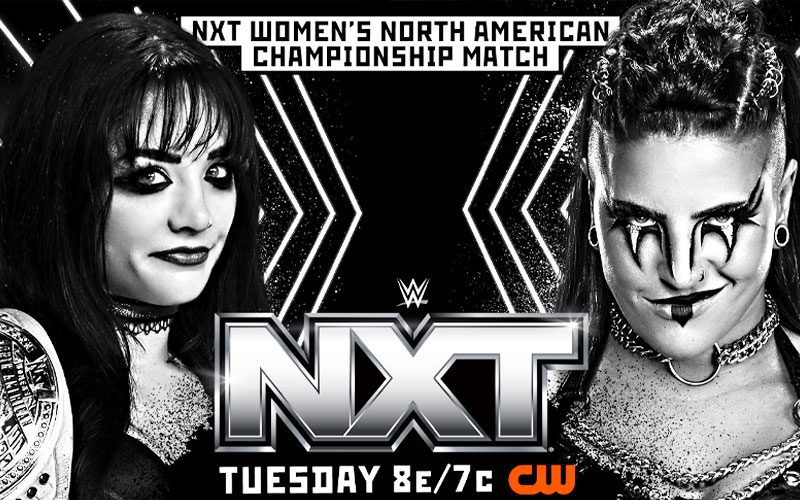
If signed, the logical entry point is a title chase in the cruiserweight or North American division. The creative team currently favors performers who can mix high-flying skill with credible mat-based counters — a core strength of his repertoire. A feud against reigning mid-card champions would provide a fast path to relevance, as his current momentum acts as a natural promotional tool.
Critics point to his lack of sustained main-event exposure on a global stage as a primary concern. The jump from Korakuen Hall atmospheres to a major cable television audience is a substantial hurdle for any talent. His booking would require careful handling; he is not a character-driven talker, and the reliance on heavy mic work could stall his momentum if he is forced into long-form interviews before he finds a comfortable persona.
Probability and outlook
Sources close to the negotiations maintain that preliminary discussions have occurred, though no contract has been finalized. Given his age and the current hunger for high-level depth in the junior divisions, he stands as an attractive, low-risk acquisition. The probability of an offer appearing on the table before the end of the year is high; however, the probability of him jumping immediately is more complex.
As confirmed in earlier reporting, his focus remains on the conclusion of the BOSJ knockouts. We should expect a final decision regarding his next career step to emerge within 4-6 weeks of the tournament's conclusion. His signing would signal an attempt by leadership to bolster ring quality over pure spectacle, banking on his ability to elevate anyone he shares the ring with during a 12-minute television slot.
The impact of this potential move would be felt most acutely in the junior heavyweight divisions worldwide. Losing a wrestler of his caliber to an exclusive contract would deplete the independent pool of top-tier talent available for cross-promotional events. Should he move, he becomes an instant favorite for television highlights, but his long-term success depends on whether the creative team allows him to keep the aggressive, sprint-style pace that defined his June performance.