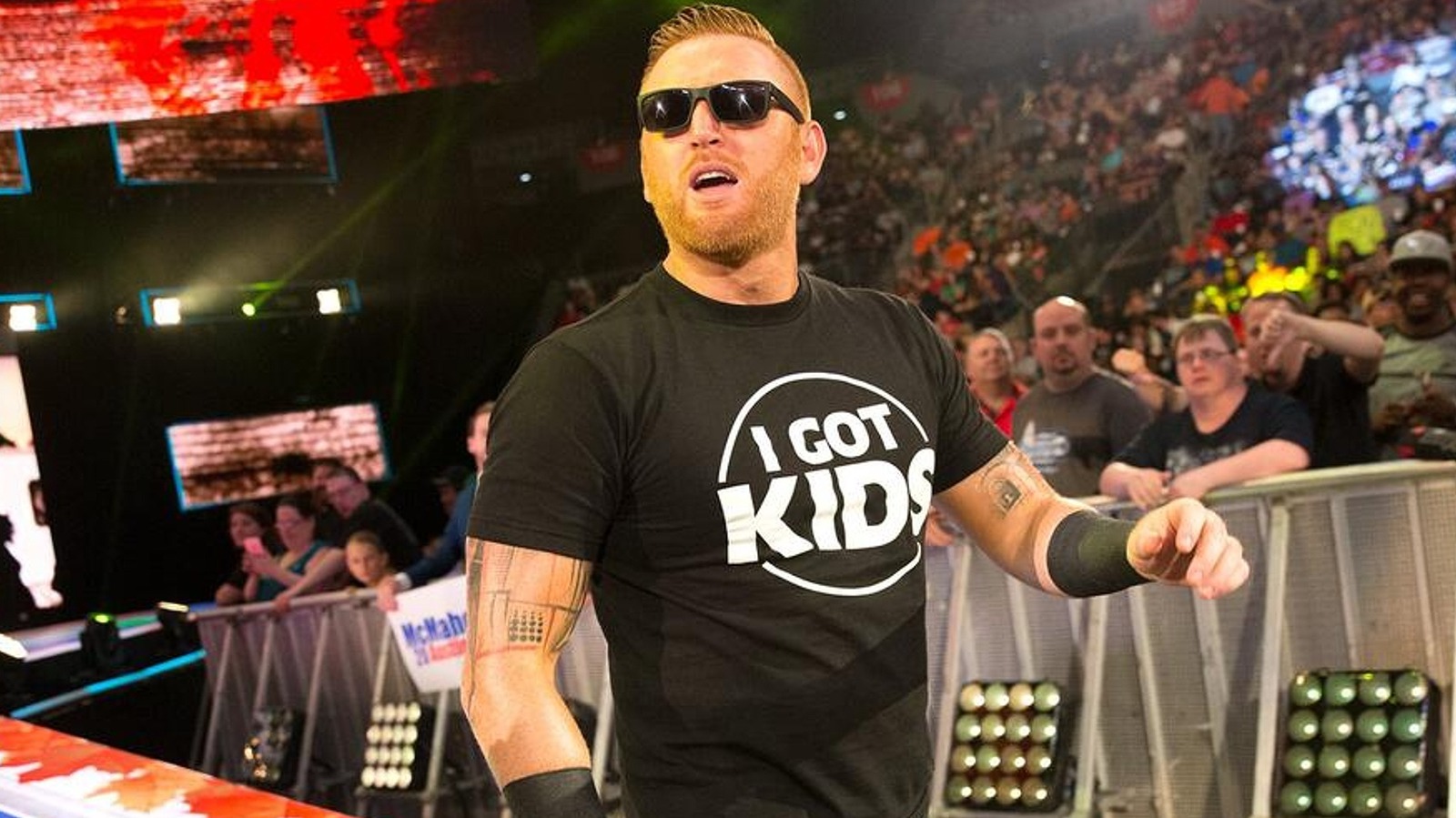
WWE's loop of rematches is killing the momentum of the mid-card
The creative inertia of the Raw mid-card
Watching this week’s episode of Raw, I couldn't help but feel a sense of déjà vu. The industry is currently trapped in a booking cycle where the same matchups are cycled through television loops without narrative progression. We recently saw Cody Rhodes and AJ Styles clash in France, a match that earned its spot on the pay-per-view stage. To drag it back onto free television less than a month later, as reported by PWInsider, feels like a defensive maneuver rather than a creative choice.
This reliance on repeat pairings creates a vacuum of stakes. When the Intercontinental title contenders are relegated to standard tag team bouts simply to fill a three-hour block, the division loses its sense of urgency. We are seeing wrestlers trade wins in television segments that lack the intensity required to elevate a championship run above mediocrity.
The two-hour shift can't happen soon enough
The pacing of Raw remains a hurdle, but the news that SmackDown is reverting to a two-hour format on June 26 is a necessary correction. For too long, the final hour of these broadcasts has felt like a grueling test of audience endurance. There is only so much water you can add to the soup before it stops tasting like dinner and starts resembling a chore.
A leaner broadcast window forces writers to be surgical. When you have 120 minutes, every transition becomes consequential. When you have 180, you end up with filler segments that serve no purpose other than burning clock time until the next advertisement break. The drop in velocity during the third hour of Raw often leaves the main event feeling disconnected from the energy established during the opening twenty minutes.
The danger of the shortcut
Booking a rematch just because you know the talent can squeeze a 4.25-star performance out of each other is an insult to the viewer's memory. It assumes that the audience doesn't remember the previous high-stakes encounter. In reality, it just highlights a lack of fresh challengers or, worse, a lack of faith in the mid-card roster to anchor a segment.
This becomes evident when you look at the shot efficiency of modern television booking. If you spend time revisiting feuds that have already reached their apex, you are effectively stifling the growth of younger challengers. In a sport where momentum is the only currency that matters, spending your biggest stars in low-leverage rematches is a luxury the creative team cannot afford.
Searching for narrative consistency
There is a specific demand for long-form storytelling that keeps viewers locked in from the opening bell to the final pinfall. Unfortunately, the current reliance on circular booking is diluting the impact of individual victories. When a performer wins a rubber match, it should define their career trajectory. When they win a match that we’ve seen three times in six weeks, it just signals the next week’s segment.
We need to see more tactical variety in how these feuds are structured. I want to see technical adjustments, changes in wrestling styles based on previous losses, or at least a shift in the stakes that justifies a return to the ring. Taking a match that resonated in a stadium and boiling it down to a Raw segment feels like checking a box on a producer’s list rather than building a story.
The move to cut SmackDown down is a tacit admission that the marathon format is failing. Now, the creative leadership needs to apply that same critical lens to the weekly content cycles on Raw. We should be watching for the growth of talent, not waiting for the show to finish so we can get back to our lives. If the product doesn't evolve, the audience will eventually move on to programming that respects their time.
Ultimately, the quality of in-ring work remains high, but the context is fraying around the edges. Whether it is a chaotic six-man tag to pad the runtime or a redundant rematch, the solution is fewer segments that rely on inertia. Precision in booking will pay dividends, particularly as we move into the summer months. The industry is standing at a gate; it needs to decide whether to walk through with intent or keep running in place.
Elite Sportz Equipment Heavy Duty Speed Jump Rope
Get that 'wrestler cardio' from the comfort of your living room.
Frequently Asked Questions
How do redundant rematches affect WWE mid-card momentum?
Why is the three-hour Raw format criticized for filler segments?
When is SmackDown returning to a two-hour format?
What is the danger of booking matches based on talent performance?
How does circular booking impact long-form storytelling?
More Coverage
Andre Chase pulls back the curtain on the Shawn Michaels era at NXT
27 minutes ago
The Andre Chase effect: Why Shawn Michaels is the ultimate NXT headmaster
28 minutes ago
Drew McIntyre sidelined following brutal SmackDown encounter
4 hours agoWWE's New York gamble is a calculated risk ahead of WrestleMania 42
5 hours ago
WWE's Saturday Night's Main Event math doesn't add up
5 hours agoWWE's return to New York changes the math on stadium attendance
5 hours agoMore Analysis
SmackDown's reliance on rematch cycles is stalling momentum
1 week, 1 day ago
WWE's international strategy is creating a logjam for midweek television
1 month ago
WWE’s nostalgia loop is masking a deeper booking fatigue
5 days, 21 hours ago
Saturday Night's Main Event demands a shift in momentum for the roster
1 day, 18 hours ago