The Roster Purge is Not an Accident
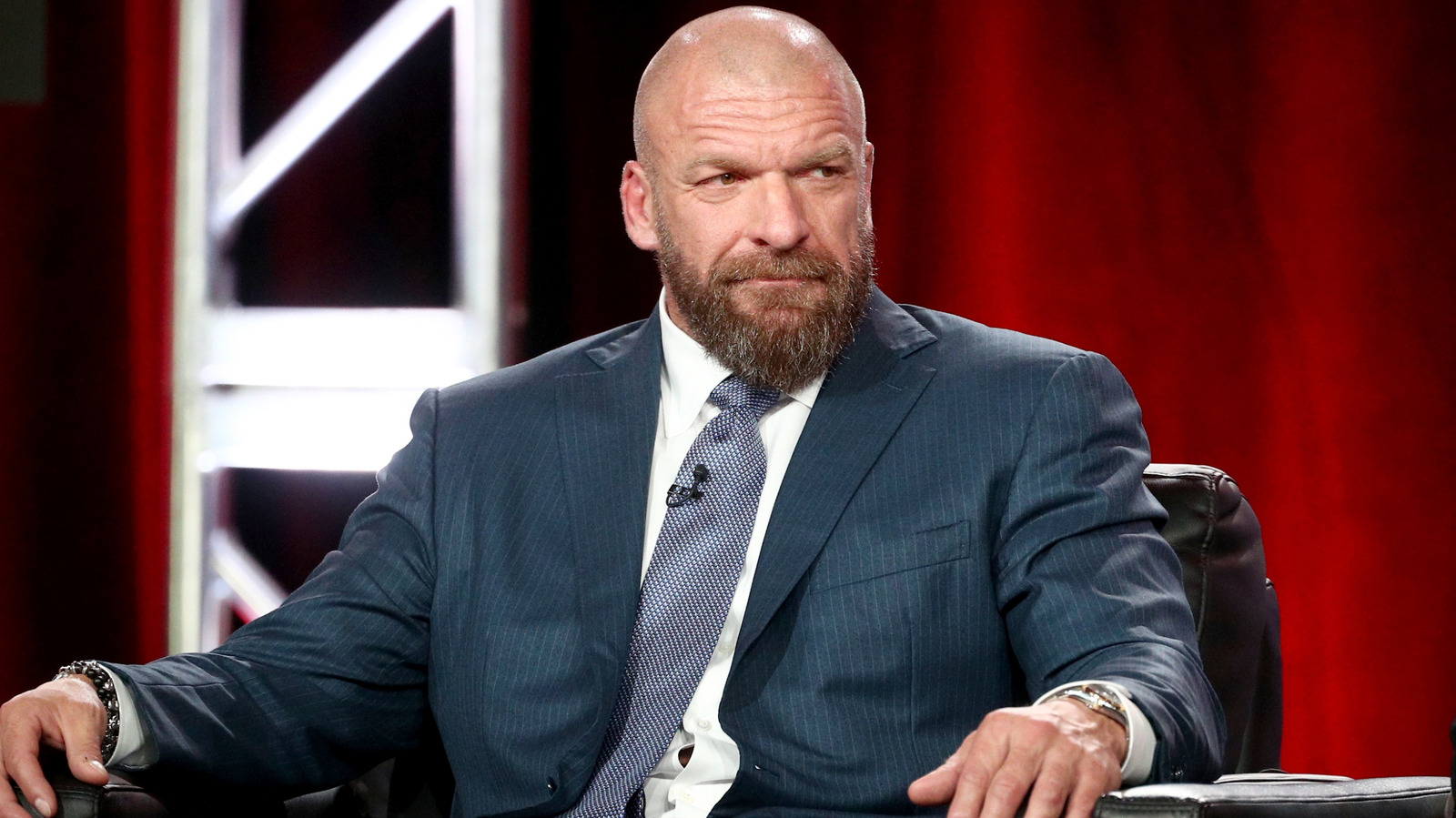
Professional wrestling is an industry built on theatrical illusion, but the ledger sheets never lie. Earlier this month, WWE quietly executed an administrative correction that went unnoticed by the casual fan base but spoke volumes to anyone watching the corporate booking office. The company officially deleted Paul Levesque from its internal active talent roster, ending an administrative anomaly that had lingered on the books since his retirement announcement in the spring of 2022, as reported by Wrestling Inc.
It took exactly 1,505 days for the front office to reconcile the paperwork with reality. This was not a simple clerical oversight or a standard administrative delay. It was a calculated retention of a legendary asset on paper, keeping the corporate back-door propped open just in case of an emergency.
By finally closing that file, WWE signaled a definitive shift in how it views its roster balance and talent acquisition strategies moving forward. This housekeeping effort coincides with a much more aggressive, program-wide mandate currently sweeping through the newly established WWE ID developmental initiative.
As reported by Wrestling Inc and corroborated by F4WOnline, the company is now actively enforcing presentation and name changes for independent performers signed to the program. The implications of this policy are profound, signaling the end of the traditional independent journey and the start of a completely corporate-controlled pipeline.
The Great Branding Scrub
For decades, the path to the big leagues was simple and organic. A wrestler built a reputation in gyms and high school armories under a chosen moniker, establishing a distinct brand that fans could track from promotion to promotion. If they got good enough, WWE bought that established equity and either polished it or repackaged it upon their arrival in Florida.
Now, the corporate machine is intervening before the talent even gets a sniff of national television. The WWE ID program was originally marketed as a benevolent partnership to support independent promotions and provide a clearer developmental pathway. Instead, it has quickly morphed into an administrative filter designed to strip independent stars of their intellectual property before they reach NXT.
Performers are reportedly being told to drop their established in-ring names and adopt corporate-approved monikers while still working on the independent circuit. This is a brilliant, cold-blooded business move disguised as talent development.
By forcing these presentation changes early, WWE achieves two strategic objectives simultaneously. First, they prevent independent talent from building independent bargaining power. A wrestler who draws crowds at local shows under a name they do not own is a wrestler who cannot easily walk away to a rival promotion.
Second, it establishes immediate corporate ownership over the wrestler's primary asset: their identity. Imagine the classic career paths of stars who built their names on the independent scene. Imagine if WWE had forced Bryan Danielson to wrestle as Daniel Bryan on ROH shows in 2006, or made Tyler Black become Seth Rollins while still main-eventing regional halls.
It completely alters the economic reality for these smaller promotions. Fans buy tickets to see the established names they have followed for years, not a rotating roster of corporate trademarks in training. This is where the policy becomes deeply critical and highly damaging to the grass-roots wrestling economy.
The local promotions who partner with the WWE ID program are effectively volunteering to host a farm system that actively devalues their own product. When a prominent indie draw is forced to change their name overnight, the local promotion loses the marketing power of that wrestler's history. The wrestler is no longer an independent attraction; they are a corporate trainee on loan.
It is a lopsided trade-off that benefits only one party in the long run. The independent promotions receive a temporary rub of WWE association, but they sacrifice their long-term branding power. They are paying to train performers who will carry corporate trademarks out the door the second their development contract is upgraded.
The grassroots circuit is being systematically stripped of its creative sovereignty. Let us make a concrete prediction here: by the end of 18 months, the classic independent wrestling circuit as we know it will cease to exist. The WWE ID network will expand to include every major regional promotion, creating a closed-loop system that operates under direct corporate oversight.
Independent promotions that refuse to join this network will find themselves completely starved of top-tier talent and resources, forced into bankruptcy or irrelevance. The administrative timeline supports this projection perfectly. The cleanup of the active roster, starting with the deletion of Levesque's active status, shows a front office that is systematically streamlining its administrative operations.
They are clearing away the relics of the past to make room for a massive, programmatic influx of young talent. This is not about maintaining the status quo; it is about building a monopoly that starts at the high school gym level. Within this new structure, talent will be signed directly to developmental agreements before their first professional match.
The traditional indie journeyman who spends ten years traveling the world to find their character will become a relic of the past. Instead, we will see highly athletic, corporate-branded performers who have never wrestled a single match without a WWE-approved script. The raw, unpredictable nature of independent wrestling will be completely ironed out in the name of corporate efficiency.
The Silent Death of Creative Friction
Wrestling needs friction to survive and evolve. The greatest innovations in the industry's history—from the high-flying style of the late nineties to the gritty realism of the early ring-of-honor era—came from wrestlers working outside the corporate system. These performers had the freedom to fail, to experiment, and to build unique connections with audiences without a committee reviewing their gear.
When you sterilize that creative space, you limit the future growth of the entire industry. We are already seeing the negative consequences of this developmental structure. The current NXT product is technically proficient but highly formulaic, featuring athletes who move beautifully but struggle to connect on a visceral level.
By extending this corporate packaging down to the independent level, WWE is pre-emptively killing the very creative friction that produced their biggest stars. The entire system is being optimized for compliance rather than charisma. The immediate impact of the WWE ID name changes will be a noticeable drop in ticket sales for partner promotions.
Fans who support independent wrestling do so because they want an alternative to the corporate product. When they show up to a local show and see a roster of sanitized, pre-packaged corporate assets, that alternative appeal disappears. WWE is trading the long-term health of the industry for short-term administrative control.
The numbers do not lie, and the corporate trajectory is unmistakable. The front office is consolidating power, cleaning up old accounts, and establishing iron-clad control over every tier of the talent pipeline. The era of the true independent star is coming to a swift, silent end.
By the time the calendar turns to 2028, every wrestler on national television will have spent their entire career under the corporate umbrella. The wrestling world will be cleaner, more efficient, and infinitely more profitable for the shareholders. It will also be significantly less interesting.