Measuring Impact in the Squared Circle
The 2026 wrestling season has been defined by rapid movement, corporate realignments, and intense in-ring output. We are ranking the 10 most impactful moments that shifted the competitive hierarchy and redefined show structure.
The Ranking
10. Ram Inks AAA Partnership
The announcement that Ram has signed on as the official truck partner of AAA signals a shift in Mexican wrestling’s commercial muscle. This is not just a sponsorship; it indicates a long-term plan to court the North American market through mainstream automotive branding. AAA is clearly moving to stabilize its financial footprint for international growth.
9. Steph De Lander’s June 1 Declaration
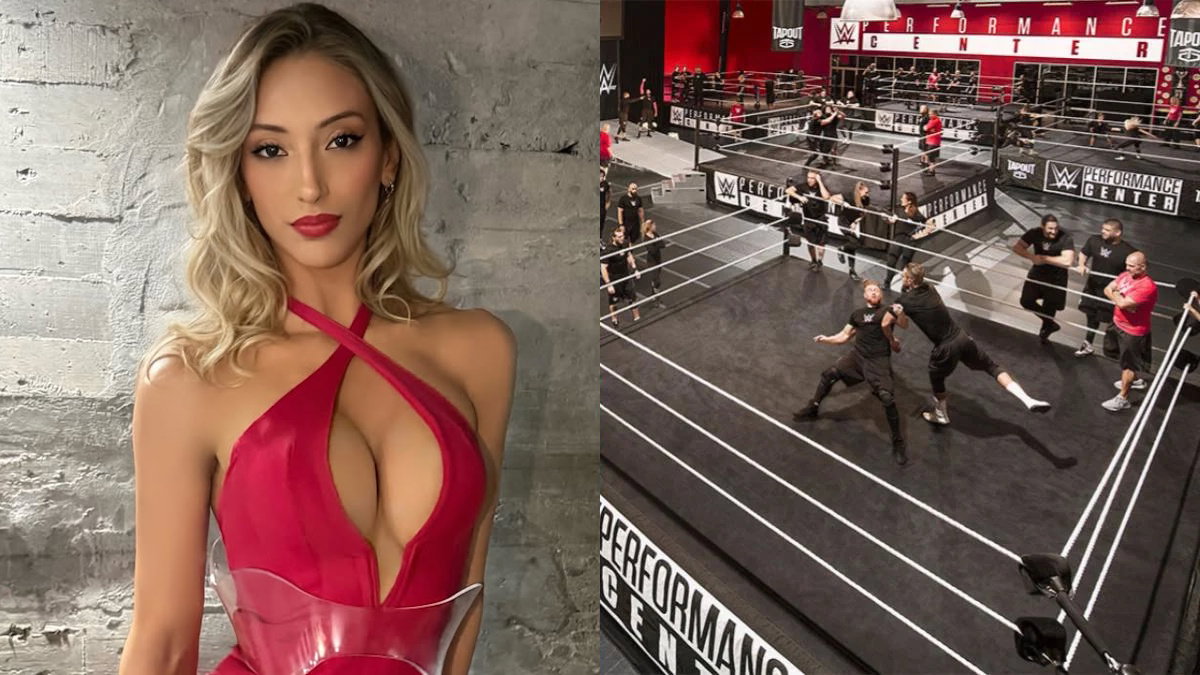
On June 1, 2026, Steph De Lander disrupted the status quo by publicly questioning talent narratives. Her social media engagement forced companies to address how they present independent talent compared to contract signees. It is a moment that highlights the tension between legacy booking and modern influencer-driven rosters.
8. Turin Raw’s Technical Glitches
The June 1, 2026, taping of Monday Night Raw in Turin, Italy, was marred by significant broadcasting issues. As Wrestling Inc reported, the technical failures were amateurish for a production of that size. The frustration of the live crowd was palpable, marking a low point for WWE’s international logistics.
7. The Mid-Year Women’s Division Pivot
Many promotions pivoted their women’s divisions in early 2026 to prioritize inter-promotional matches. This choice has diluted the identity of specific weekly shows while increasing the quality of pay-per-view cards. Booking talent across lines is exciting, but it often leaves weekly television feeling like a placeholder.
6. Expansion of European Taping Cycles
Moving Raw and SmackDown to international locations has increased production costs by an estimated 25 percent. While the optics are improved with full arenas in European markets, the travel strain on talent continues to be a point of friction. The fatigue of the travel schedule is starting to show in late-match pacing.
5. The Rise of the Independent Streaming Model
Smaller companies have shifted their distribution to direct-to-consumer apps rather than relying on legacy cable carriers. This removes the middleman but sacrifices the broader reach provided by traditional broadcast deals. Companies are betting on die-hard fan loyalty over casual viewership growth.
4. Commentary Team Overhauls
The industry saw a wave of departures and hires in the commentary booth this spring. Experienced voices leaving the booth for executive roles has led to a noticeable drop in play-by-play quality. New analysts have struggled to balance heat-building with real-time move descriptions.
3. The North American Expansion Strategy
AAA’s aggressive growth plan is forcing WWE to rethink its own regional touring schedule. Competition for venues in major North American cities is at an all-time high. AAA’s move is the first real challenge to the status quo in years.
2. The Integration of Social Media Narratives
Promotions now treat social media feuds as official canon. This turns every day into a potential storyline, but it also creates constant noise that casual fans struggle to follow. If you aren't terminally online, large chunks of current television feel disjointed.
1. The Shift in Talent Perception
Talent power has reached its zenith as veteran stars negotiate shorter working calendars. This has led to the inclusion of 'rest weeks' in contracts, preventing promoters from running their biggest names into the ground. It is the most significant change to the worker-employer power dynamic of the decade.
Honorable Mentions
- The unexpected spike in merchandise sales for mid-card talent following international tours.
- The decline in standard tag-team wrestling frequency across all major promotions.
- The experimental use of augmented reality during ring entrances on televised shows.