The rotation continues as talent returns to the ring
The WWE medical room dynamic remains in constant flux as we head toward the May stretch. While some performers remain sidelined, the recent return of key talent provides much-needed options for the creative team ahead of Backlash on May 9, 2026. Stability in the roster is rarely a given in this business, yet the current injury status reports show a mix of impending comebacks and lingering concerns.
Seth Rollins injury outlook
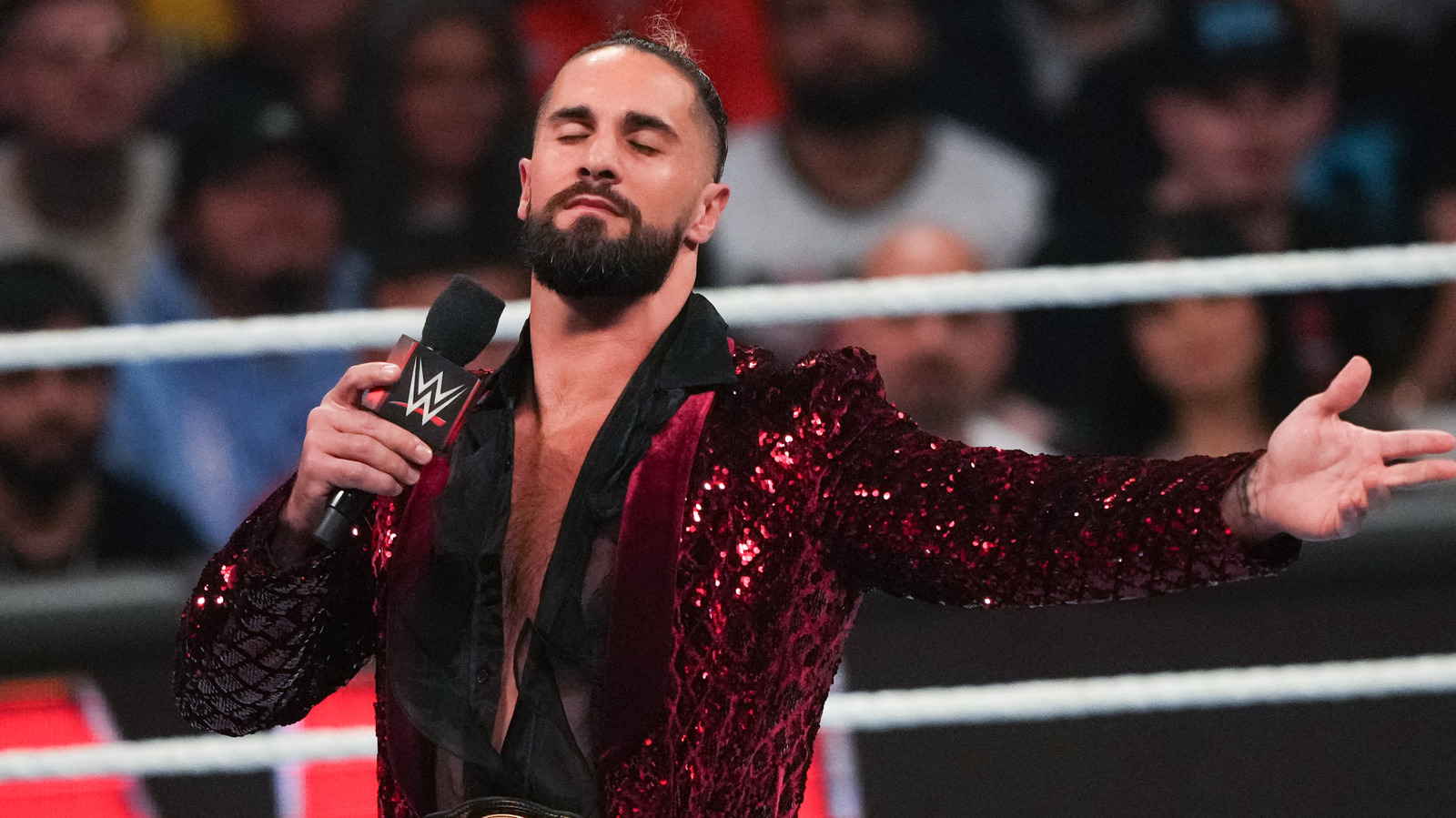
Seth Rollins has officially been cleared for active competition. Following an extended period off the screens to manage persistent lower back flare-ups and accumulated wear from the high-impact schedule, he made his return to television programming this week. His return timing is critical for the main event picture, as the company requires marquee names to bridge the gap between April television tapings and the upcoming premium live event season.
Historically, Rollins has managed these structural issues through a modified style. During his 2023-2024 run, he underwent physical therapy regimens that allowed him to work heavy schedules while minimizing acute aggravation to his lumbar spine. This latest recovery window was strategic rather than emergency-based, signaling a change in how veteran workers are being managed under the current performance center protocols.
Evaluating the wider locker room health
While Rollins provides a boost, the company still navigates personnel challenges elsewhere. The medical staff has prioritized a cautious approach with performers who have suffered concussions or significant ligament tears. In the current calendar, the gap between mid-April and the lead-up to May events is the period where most "minor" injuries are addressed to avoid long-term depletion.
The policy on returning talent involves strict clearance benchmarks. Athletes must clear neuro-cognitive baseline testing if head trauma was involved, while physical conditioning tests must demonstrate a return to pre-injury performance metrics. Missing these marks, even by a small margin, often leads to an additional 14-day hold, a frustration for those eager to return to the road. This rigorous standard contrasts with the rushed returns common in the mid-2010s, which frequently resulted in secondary injuries.
Strategic implications of the current roster cycle
The industry remains focused on the upcoming summer schedule. With the FIFA World Cup starting on June 11, 2026, the booking team faces pressure to finalize marquee builds before the sports world shifts its focus. Any talent returning now provides a window of 30 days to build momentum toward the mid-year pay-per-view cycle. If an athlete takes more than three weeks to find their rhythm, the window for a major program closes rapidly.
Critics point out that the reliance on veteran talent to fill immediate holes suggests a weakness in younger roster development. When a top-tier performer like Rollins is out, the drop-off in segment heat is often noticeable compared to his peers. The inability to fully insulate the product from individual injury-related voids remains a structural issue for talent management.
Refining the recovery process
Sources inside the Performance Center suggest a tightening of the daily workout logs. Monitoring total bump counts—the number of times a performer takes a move against the mat—has become a standard metric in tracking potential burnout. It is an imperfect science, as variations in ring surface and move types make precise prediction difficult, but the trend points toward a data-heavy management style.
As reported by WrestlingNews.co, the return to action for sidelined personnel is the primary focus of April updates. Fans should expect the current card to flux significantly over the next two weeks. For the medical staff, the goal is clear: have the roster at maximum availability for the May 9 event. If the training room remains at current capacity, look for card adjustments as early as the next episode of weekly television.
The return of major stars does a great deal to stabilize television ratings, but long-term success requires active management of the middle-card talent. Over-exposure of top performers remains the biggest risk to roster longevity. The next three weeks will determine if the current roster can navigate the shift into summer without further attrition to the lineup.