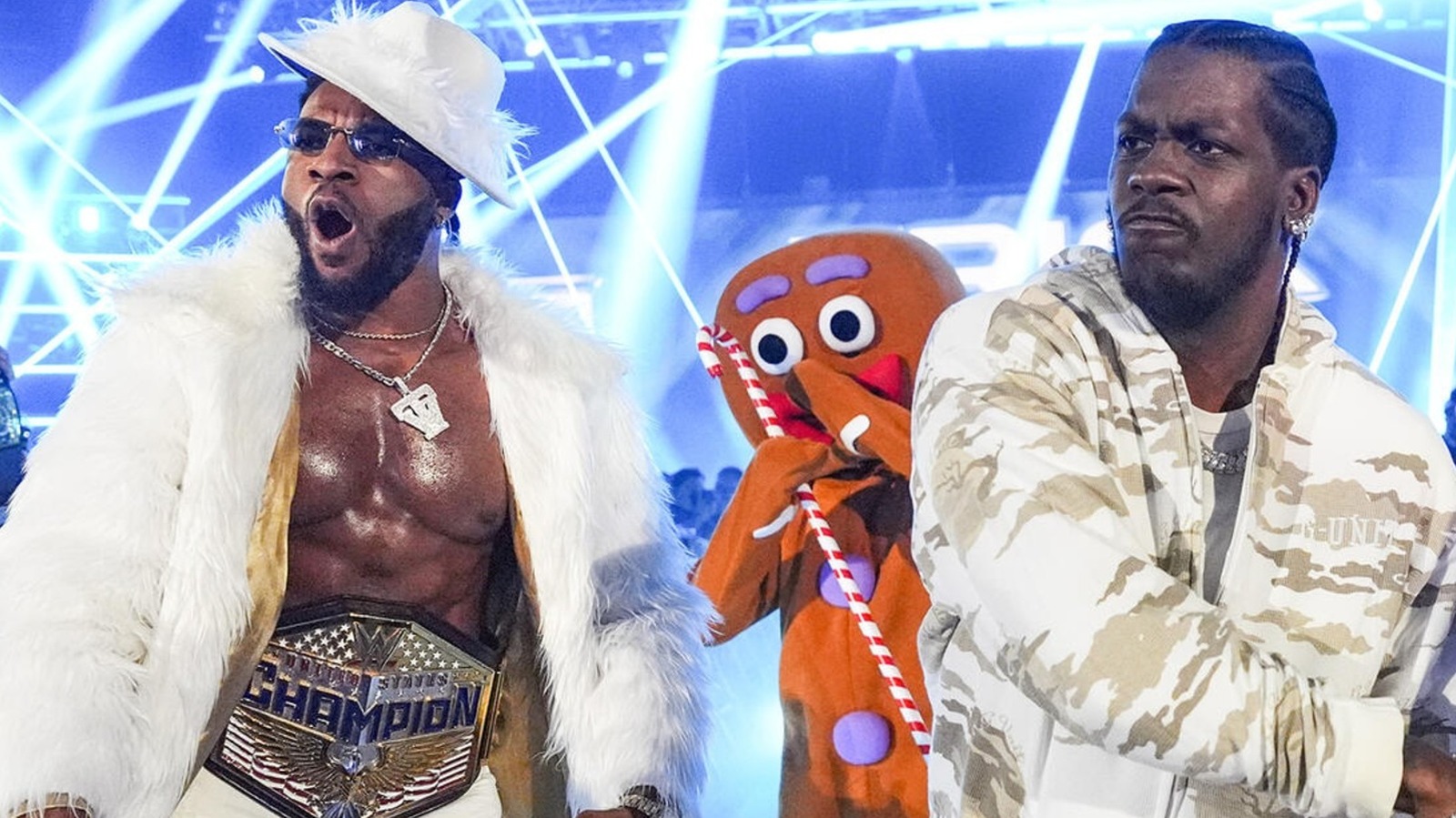
SmackDown roster health update
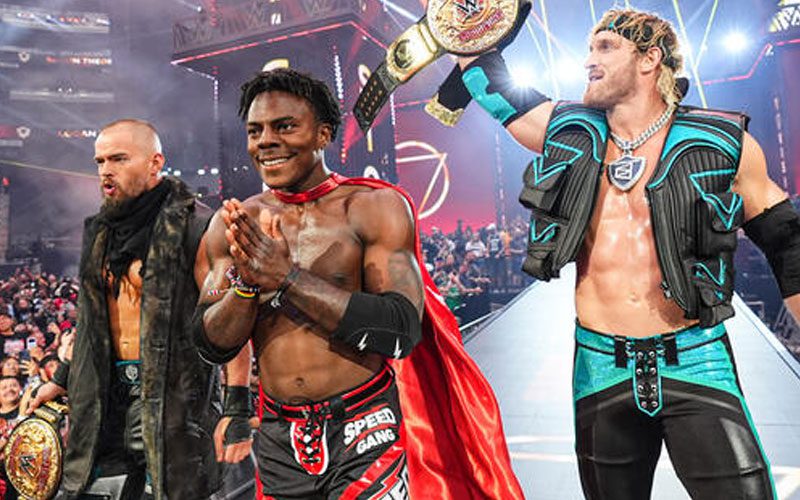
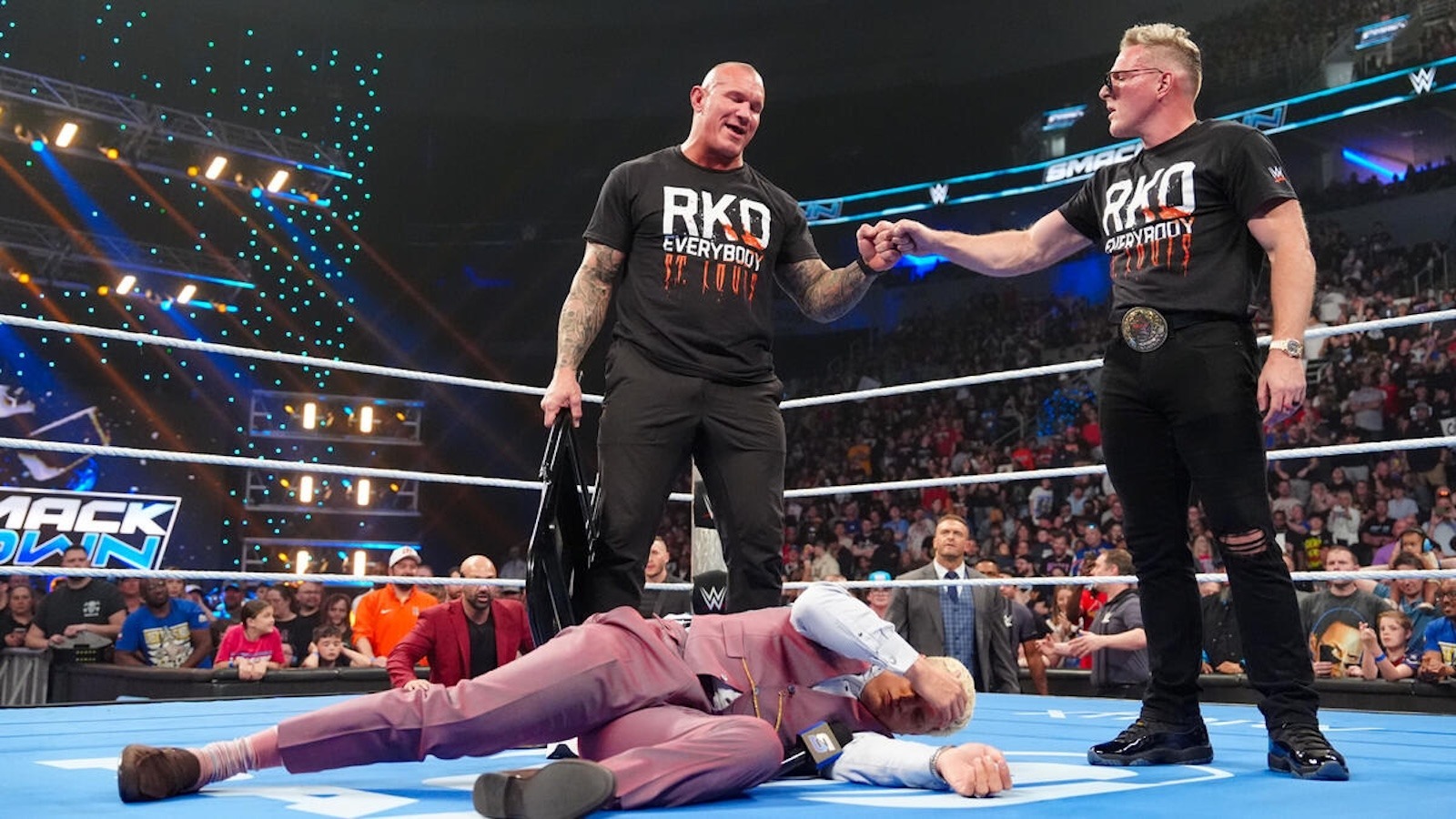
With WWE Backlash just 14 days away, the medical report from the blue brand has become a critical focal point. Injuries naturally fluctuate in professional wrestling, yet the intensity of the current creative cycle has left several top-tier talents fighting against the clock to maintain their push ahead of the event on May 9, 2026.
As of April 25, 2026, the primary concern for the office remains the physical toll of the weekly television schedule. The transition from the massive adrenaline spike of the spring season to the daily grind of live events and high-stakes televised segments provides little room for recovery. Staff trainers have been monitoring several individuals closely, specifically those involved in high-impact programs.
The cost of high-stakes programming
Recent reports via PWInsider highlight the volatile nature of character debuts and returns. When creative teams introduce a special attraction, or a masked identity—such as those currently floating around the SmackDown locker room—the margin for error drops. One blown spot or unplanned interaction during a live segment can turn a three-week program into a long-term medical headache.
History tells us that rushing these storylines is a recurring error in booking. We have seen instances where talents are pushed into intense physical segments while working through minor nagging injuries, only for those to escalate into full-scale ligament tears. Professional wrestlers often feel the pressure to perform through discomfort, but a missed step in the ring now results in an immediate loss of momentum that no amount of creative booking can replicate.
Strategic implications for Backlash
The upcoming calendar is unforgiving. With the WWE Backlash 2026 card slated for May 9, any talent currently held out for precautionary testing is essentially on a ten-day countdown to be cleared. Losing a performer this close to a premium live event forces a shuffle that rarely lands as well as the original plan. It impacts the pacing of the card and forces other segments to work overtime to fill the void left by a late scratch.
The current booking strategy on SmackDown seems to prioritize long-term mysteries over immediate ring-work, which likely serves as a protective measure for key assets. By shrouding performers in masks or keeping them off the active roster for weeks at a time, the company creates a barrier between the performer and the daily risk of athletic injury. It is a cynical but effective way to ensure that talent remains available when the story finally demands a payoff.
Historical context and risks
We are looking at a repetitive pattern here. In late spring windows observed throughout the last decade, scheduling an injury-prone roster for intense, high-impact spots on every television episode typically results in at least one major headline-grabbing absence before the summer heat. The reliance on surprise returns is a double-edged sword; while it pops a rating for a single Friday night, it introduces a physical wildcard into a carefully calibrated ring environment.
A critical observation remains: the lack of a clear return timeline for several individuals indicates that the company is struggling with how to handle sub-acute conditions. When a trainer cannot put a hard date on a return, it usually signifies that the injury is not structural, but rather a persistent inflammation or neurological flare-up. These are notoriously difficult to track, as the talent often claims they are ready to compete *before* the medical team is comfortable signing off on the risk factor. Maintaining a roster of this size while avoiding a wave of shelf-time requires more than just luck; it requires a disciplined approach to preventative conditioning that is often at odds with the demands of television producers.
Future projections
Expect the next 48 hours to be defined by medical screenings. If an individual does not receive clearance by the start of next week, the creative direction for their segment at Backlash will undoubtedly change. This specific dynamic remains a point of frustration for fans who want to see their favorites in action, but for the performers, it is the reality of a business that stops for no one. Whether the upcoming surprises are successful is secondary to whether the wrestlers involved can actually finish their matches without further clinical intervention. With Backlash approaching on May 9, the window for recovery is closing.