Seth Rollins hits the independent circuit, lands on injury report
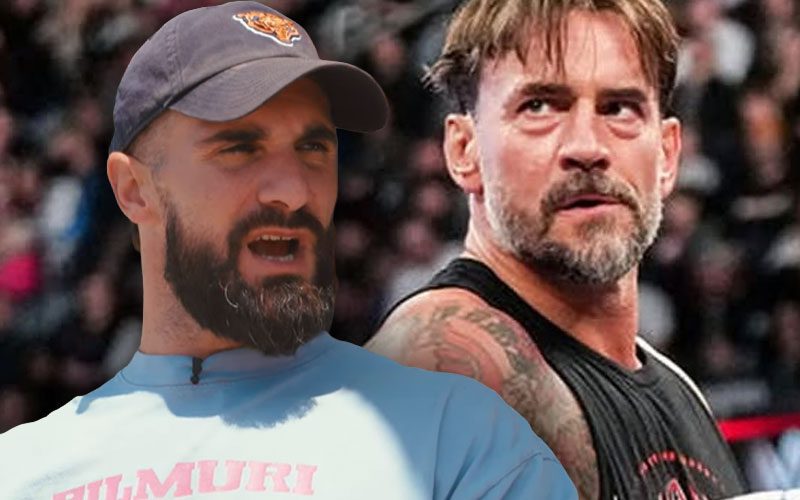
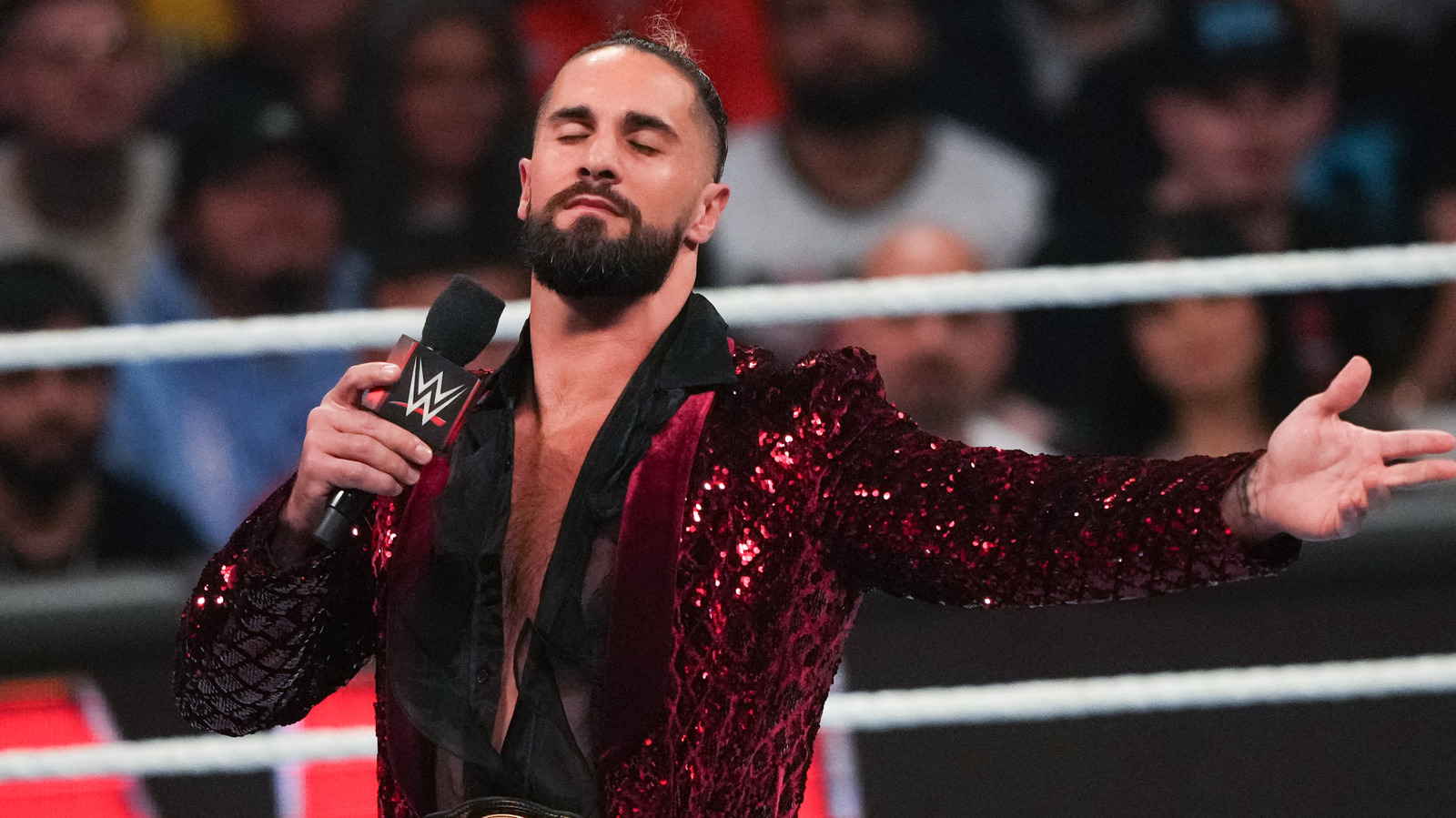
Seth Rollins shocked the professional wrestling world on April 24, 2026, by appearing at an AAW Pro event in Berwyn, Illinois. The former world champion walked to the ring at the Berwyn Eagles Club, a venue that served as early ground for his rise to prominence. He did not engage in physical combat, opting for a brief promo appearance instead.
However, sources close to the situation indicate that Rollins is currently managing a recurring lower-back issue that surfaced during his recent high-intensity training block. This physical limitation necessitated his decision to bypass an actual match in favor of a microphone segment. Traveling to smaller independent venues while dealing with spinal stiffness highlights the persistent internal conflict between his veteran status and his desire to stay connected to his roots.
The timeline for a recovery plan
Medically, the focus is on stability. Rollins has dealt with significant back issues periodically since 2015. Clinical reports suggest that lumbar disc inflammation can flare up without warning, particularly after bouts of heavy weight training. The current objective is to ensure he remains viable for the upcoming WWE Backlash premium live event on May 9, 2026.
WWE medical staff have reportedly ordered a reduction in bumping drills for the next 10 days. The strategy is to facilitate active recovery, allowing the musculature around the L4 and L5 vertebrae to reach a neutral state. Missing television time is not on the table yet, but his participation in upcoming house shows has been scrubbed from the internal schedule to prioritize his health.
Strategic implications and industry context
This situation serves as a stark reminder of the wear and tear inherent in the business. Rollins performed over 140 matches in 2025 alone, a volume that forces a conversation about the shelf life of performers who rely on a high-speed, high-impact style. The decision to appear at AAW was likely intended as a goodwill gesture, but it invites unnecessary risk when your primary employer requires you for major televised slots.
Looking at company strategy, WWE is in a difficult position. They need marquee stars healthy for WWE Backlash. If Rollins cannot move safely in the ring by the first week of May, the creative team will be forced to pivot. It is a recurring problem in the modern era: veterans working independents under their own volition, creating headaches for the booking teams who manage their primary schedules.
Comparative analysis of recovery patterns
Historically, lumbar injuries in WWE have been the standard-bearer for career shortening. When AJ Styles faced similar rigidity issues in 2024, his in-ring repertoire became notably more grounded. He transitioned from aerial offense to a slower, strike-based narrative. Rollins finds himself at a similar crossroads. Can he maintain his current pace for another five years while maintaining his mobility?
There is also a broader question regarding internal management. The fact that an active, high-level performer is able to take these independent bookings suggests a lack of total oversight or a relaxed stance on medical travel. If the company is to protect its assets, there is a strong argument for stricter limitations on extracurricular ring time during peak seasonal windows. As the industry approaches the summer months, the cumulative impact of these small, avoidable physical aggravations defines the difference between a main-event run and a mid-card slide.
The fans remain anxious for his return to full activity. While an unadvertised appearance usually generates hype, the news of restricted physical activity has tempered the celebration. If Rollins is forced to downgrade his involvement in the upcoming premium live event to a non-wrestling segment, it would leave a hole in the card that currently lacks enough top-tier talent to compensate for his absence.
We are watching a classic case of a performer refusing to slow down despite clear physiological warnings. The next 14 days will test his commitment to self-preservation versus the ingrained habit of being the company's workhorse. Whether this leads to a forced hiatus remains the central concern for his team heading into Mid-May.
Read Next