The physical toll of the Rollins-Punk rivalry
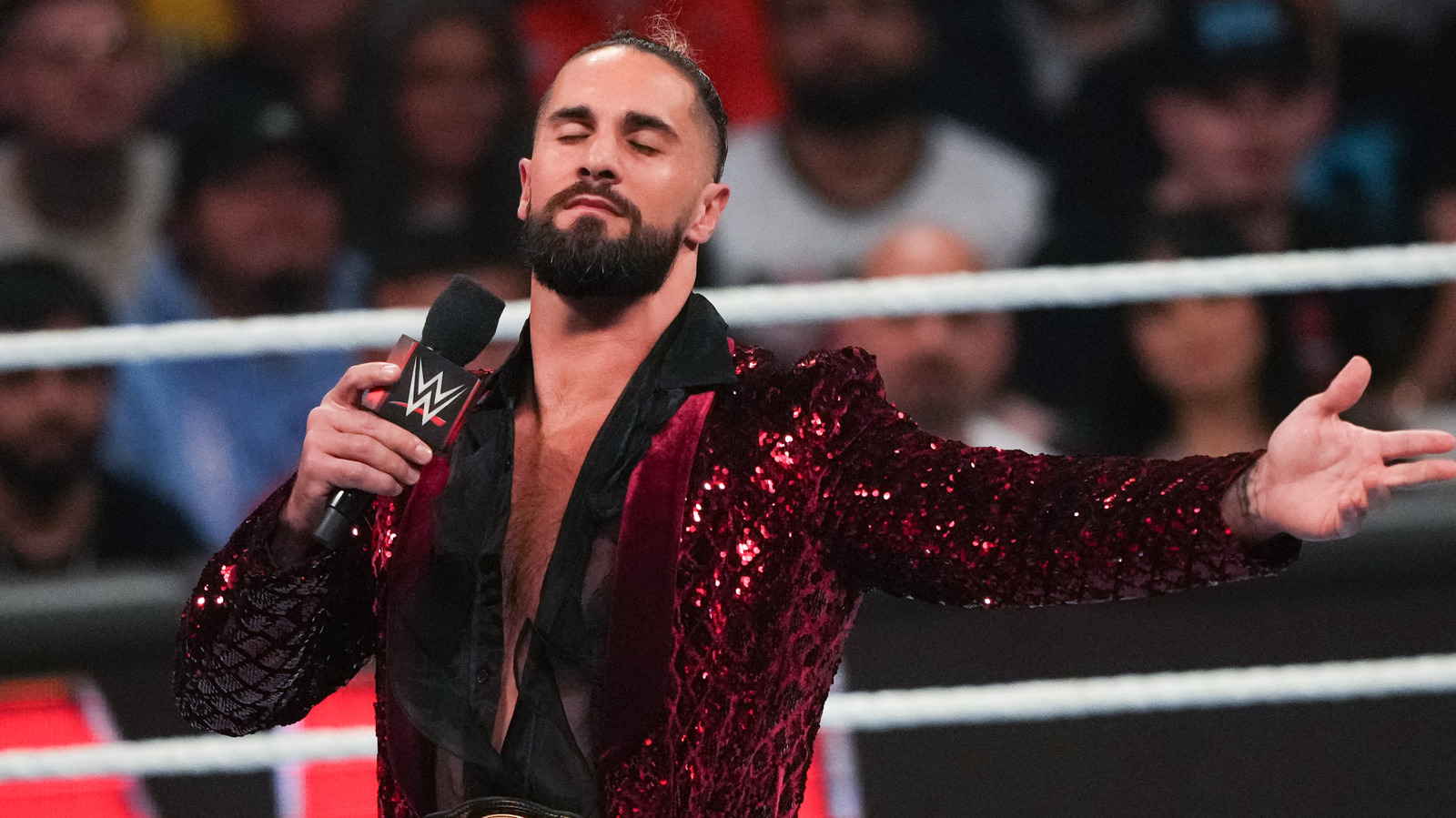
Seth Rollins is currently navigating the most precarious period of his professional career. Following a series of high-impact encounters that have pushed his body to the limit, the multi-time champion is dealing with wear that goes beyond standard wear and tear. The intensity of his recent program has left him sidelined, with internal medical assessments suggesting a recovery trajectory that is far more complex than initial estimates.
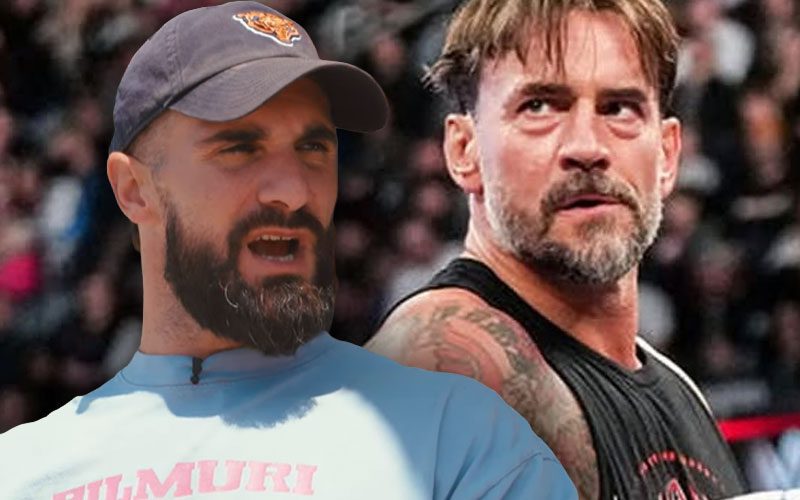
Rollins has made no secret of his personal disdain for CM Punk, recently labeling him a phony during a feature with Prince St. Pizza. This isn't just microphone chatter. The friction between the two has resulted in a style of physicality that mimics the stiff, high-stakes combat of the early 2000s. Rollins remains the primary exception to his own no-grudge rule, and his commitment to that narrative has likely shortened his shelf life in the ring this season.
The medical reality of the current state
Injury management in 2026 requires more than just rest. Rollins is undergoing a rigorous rehabilitation program that focuses on ligament stability and joint preservation. Sources indicate that the medical team is being particularly cautious to avoid chronic issues that could mirror the career-altering complications seen by peers in recent years. There is no timeline for his return to active competition, as doctors prioritize long-term function over short-term appearances.
This injury creates a vacuum in the main event division. With Rollins off the road, the creative team at the WWE front office must pivot away from his signature high-intensity programs. His absence is not merely a loss of a talent; it is the removal of the anchor that defined the flow of current weekly programming. The shift creates opportunities for mid-card talent to ascend, but the quality of the product suffers without his consistent output.
Strategic implications and historical parallels
Historically, Rollins has shown a remarkable ability to work through pain, but the modern era of professional wrestling demands a different approach. The trend toward aggressive, strike-heavy offense against opponents like CM Punk has significantly increased the risk of acute injury. If history serves as an indicator, rushing back before a full recovery could invite a secondary injury—a mistake that has historically sidelined major stars like Bryan Danielson for extended periods.
The management decision to lean into the reality of the locker room tension has paid off in viewer metrics, but it is failing on a medical basis. By incentivizing a style of performance that encourages genuine animosity, the promotion is effectively trading the physical health of its top earners for temporary spikes in fan engagement. It is a precarious strategy that invites scrutiny.
There is also the matter of scheduling. With the NXT roster shuffle and the ongoing shifts in hierarchy, the promotion lacks a clear leader to replace the vacuum left by Rollins. Analysts point to the reliance on aging veterans as a sign that the training pipeline isn't producing credible main-event replacements. Rollins is arguably the last of the workhorses who can carry a premium live event on his back.
The total time lost will likely exceed 90 days, depending on how he responds to the current phase of physical therapy. His return process is monitored daily. Any premature return to the ring for non-televised house shows could lead to a permanent setback. For now, the focus is purely on functional mechanics rather than creative planning.
The loss of a performer of this caliber is a cold reminder of the volatility inherent in this profession. While fans clamor for the payoff to the ongoing feuds, the reality is that the physical costs must be paid eventually. If the creative direction does not adapt to provide more safety for the performers involved, we can expect to see more headlines regarding sidelined talent. The industry is currently operating at a maximum threshold.
Read Next