Rollins sidelined following heavy landing
Seth Rollins is currently out of action due to a grade two medial collateral ligament tear sustained during last Tuesday’s television taping. The injury occurred during a high-speed sequence involving a suicide dive that went awry. Medical imaging confirmed the severity of the damage on Wednesday morning. He will miss at least six weeks of physical competition while undergoing regimented rehabilitation.
The specific moment of impact appeared during a failed transition out of a corner clothesline attempt. Rollins landed awkwardly on his left leg, causing the joint to buckle under the torque. He finished the segment, but trainers pulled him from all remaining dates immediately after the cameras cut. The decision to sideline him for over a month suggests the promotion is prioritizing his long-term health over immediate creative output.
Tactical loss for the summer schedule
Losing Rollins removes the primary anchor for the mid-card programming heading into the next premium live event. Since he is a frequent headliner, the logistics of the weekly television slots are changing rapidly. Creative teams are now scrambling to rebook segments originally designed to feature his ongoing feud without needing a physical payoff.
This is not the first time Rollins has navigated a knee injury; he famously tore his ACL and meniscus in 2015 during a match against Kane in Dublin. Critics often point to his working style—high-impact maneuvers and frequent agility-based spots—as a recipe for recurring ligament stress. While he returned from that previous injury by radically adjusting his in-ring pacing, the reality remains that his style demands constant high-velocity movement. It is a high-risk approach that provides reliable television quality but creates a thin margin for error.
The broader impact on roster health
Other performers are now seeing their workloads increase to fill the void. This strategy often backfires, as overextending the remaining roster during a busy summer tour creates further vulnerability to fatigue-related issues. The medical staff is currently monitoring three other athletes for minor muscle strains related to an aggressive travel schedule this month.
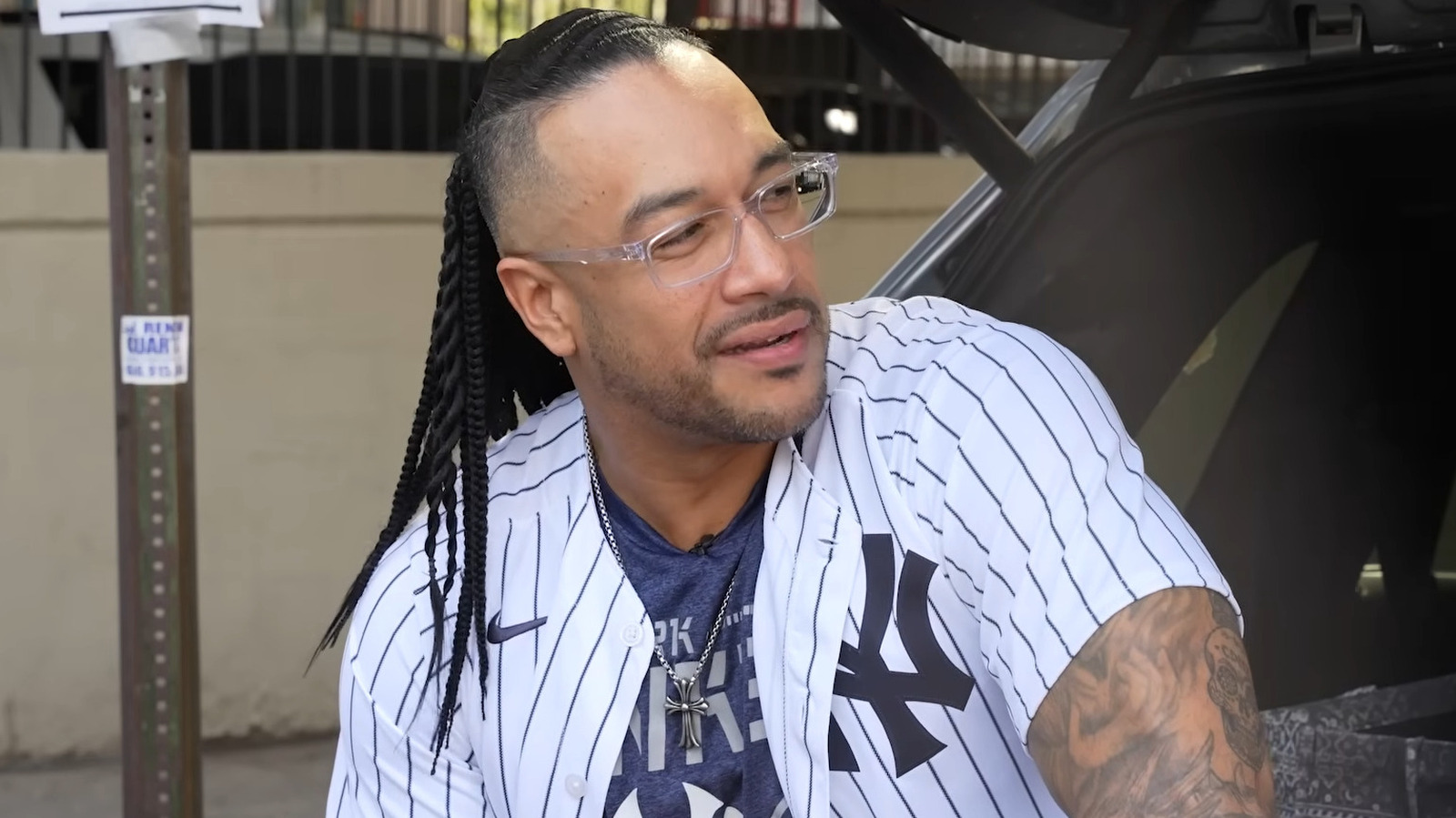
Management has been vocal about the need for better injury prevention measures, yet the current booking pace suggests otherwise. Even as WWE personalities appear at venues like Yankee Stadium, as recent reports illustrate, the sheer volume of media obligations alongside physical labor is taxing. It becomes difficult to maintain a rigorous performance schedule when the transition time between cities is squeezed by external appearances.
Strategic risks of the current recovery timeline
The six-week estimate for a return is optimistic. It relies on the athlete showing rapid progress in range-of-motion testing and lateral stability work. If the swelling in the knee does not subside within the first two weeks, the projection will slide toward an eight-week window. This would push a return well into late August.
Historical data indicates that returning too early from an MCL tear often results in compensatory injuries elsewhere in the leg, such as damage to the meniscus or the opposing ACL. Rollins has historically proven to be a quick healer, but he is no longer thirty years old. The physical toll on his joints over the last decade is starting to show. Expect management to keep him in a non-contact role on television to protect his marketability while he sits out the physical segments.
Ultimately, this injury highlights a recurring management issue: over-dependence on a small core of high-intensity workers. When one piece fails, the entire structural plan for the summer cards wobbles. Relying on Rollins to carry the load for back-to-back marquee programs was a gamble that clearly required more defensive booking contingencies than were currently in place.
Read Next