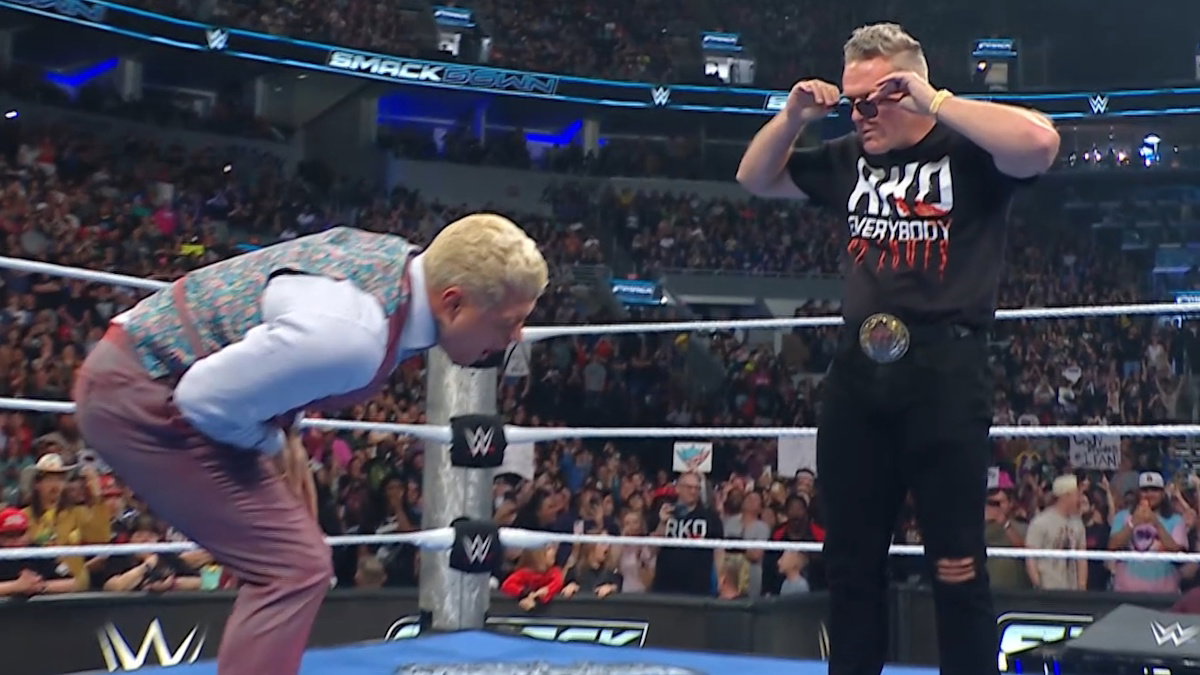
WWE creative is hiding real friction behind the Pat McAfee experiment
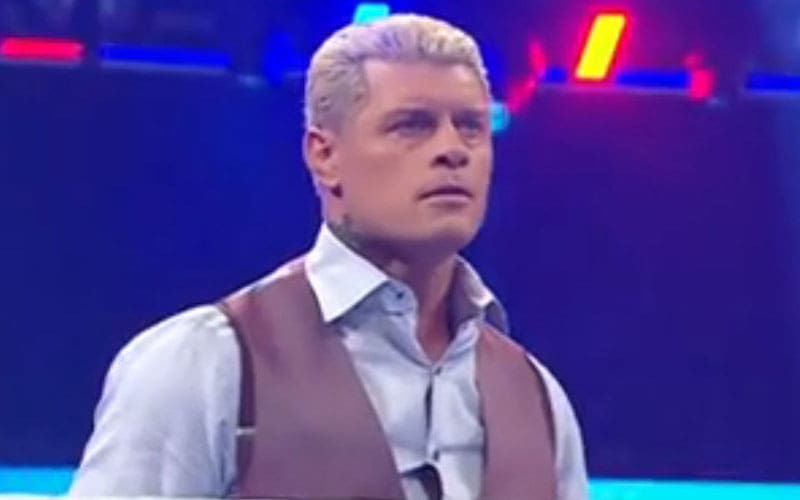
The cracks in the TKO corporate armor
The recent backstage friction between Cody Rhodes and TKO leadership is increasingly impossible to ignore. When an anchor performer is explicitly told to improvise a promo due to deep-seated corporate frustrations, the cracks in the foundation move from rumor to reality.
We are seeing a clash between old-school wrestling sensibilities and the metrics-driven mandates of TKO. Rhodes is a performer who thrives on psychological continuity, while the current executive environment seems obsessed with maximizing viral moments regardless of their narrative cohesion.
The McAfee mess is a symptom, not the disease
The fan vitriol directed at Pat McAfee’s involvement in the feud between Randy Orton and Cody Rhodes misses the broader point. While pundits like Jonathan Coachman argue it is the perfect use of a high-energy personality, the reality is that McAfee acts as a lightning rod for TKO’s heavy-handed booking oversight.
Reports indicate that McAfee’s promo segments are often deviating from the written word, arguably to satisfy TKO's specific vision for cross-media reach rather than the actual wrestling program. When the booking feels disconnected from the ring action, audience engagement naturally shifts to confusion or outright mockery.
Mark Henry and other veterans might defend the role, but their defense feels like an attempt to legitimize a corporate mandate that ignores the physical reality of the product. Wrestling fans possess a high sensitivity for forced cameos. When a non-wrestler becomes the focal point of a technical feud, it signals that the suits have prioritized social media clipping over in-ring tension.
The danger of petty social media feuds
The recent interaction between Cody Rhodes and Disco Inferno is a perfect example of how the current WWE environment invites unnecessary noise. Rhodes name-dropped the personality during SmackDown, sparking a bizarre, aggressive response online.
While name-dropping competitors or critics can create heat, it feels performative here. It reeks of a company attempting to manufacture internet discourse to inflate engagement metrics. For a wrestler of Rhodes' stature, this feels beneath the gravity of his position.
The risk is dilution. If WrestleMania 41 draws on these same tactics, it threatens to undermine the stakes of the main events. A main event should be driven by the conflict inside the ropes, not by whoever is sniping from a podcast feed or a X account.
A looming technical crisis
The most alarming detail is the directive for Rhodes to improvise on live television. This is not just creative freedom — it is an admission of failure from the writers' room. It suggests that leadership cannot reconcile their corporate strategy with the characters they have built.
If the promotion is setting up major matches while the talent is actively signaling their disdain for the creative process, the quality of the matches will inevitably suffer. WrestleMania is only 15 days away, and if the backstage atmosphere remains this volatile, the spectacle might feel hollow.
The reliance on these external, corporate-driven distractions is a tactical error that treats the audience as if we are purely interested in the soap opera of TKO management. We aren't. We are here for the psychology of the bout, not the politics of the boardroom.
King of Kings: The Official Biography of Triple H
The definitive look at how Paul Levesque transformed the landscape of WWE.
Frequently Asked Questions
Why is Cody Rhodes being forced to improvise his promos?
What is the primary criticism of Pat McAfee's role in WWE?
How do TKO's corporate mandates affect WWE's storytelling?
Why did Cody Rhodes name-drop Disco Inferno on SmackDown?
What are the risks of using social media feuds in WWE storylines?
More Coverage

Drew McIntyre sidelined following brutal SmackDown encounter
an hour agoWWE's New York gamble is a calculated risk ahead of WrestleMania 42
2 hours ago
WWE's Saturday Night's Main Event math doesn't add up
2 hours agoWWE's return to New York changes the math on stadium attendance
2 hours ago
Top 10: Top Moments from MSG
3 hours ago
SmackDown is drifting into mid-summer malaise
3 hours agoMore Analysis
Cody Rhodes and the TKO friction point
3 months, 2 weeks ago
Why the Pat McAfee booking is a massive miscalculation for WWE
3 months, 1 week ago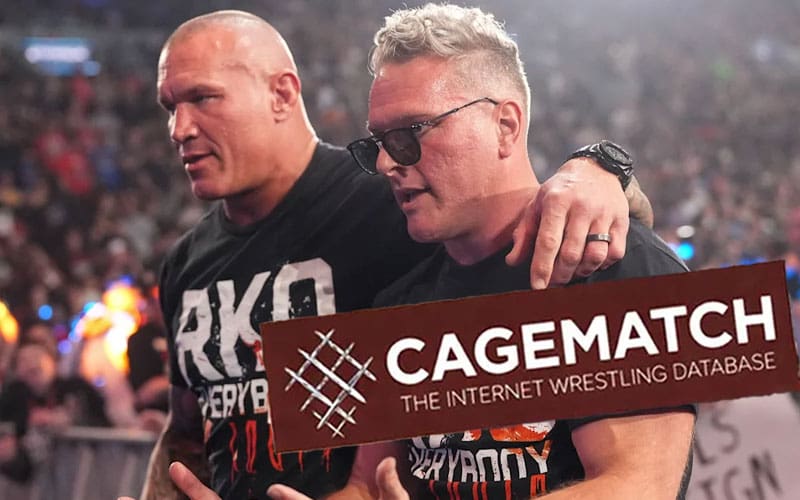
WWE is gambling its WrestleMania main event on a Pat McAfee distraction
3 months, 2 weeks ago
WrestleMania 41 is a high-stakes gamble for WWE's creative vision
3 months ago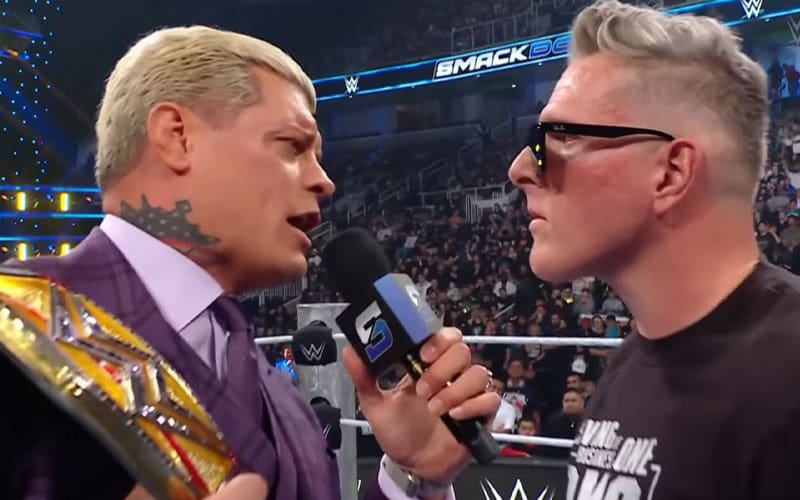
Pat McAfee is turning WrestleMania 41 into a chaotic fever dream
3 months ago