Measuring the gap between the script and the stage
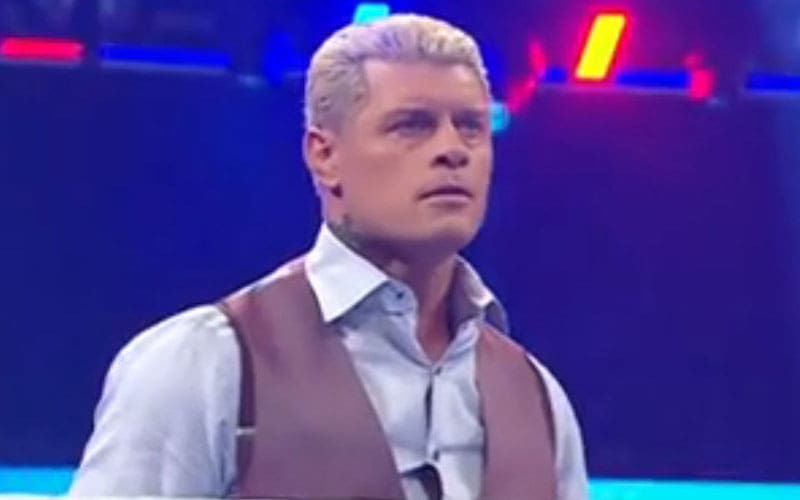
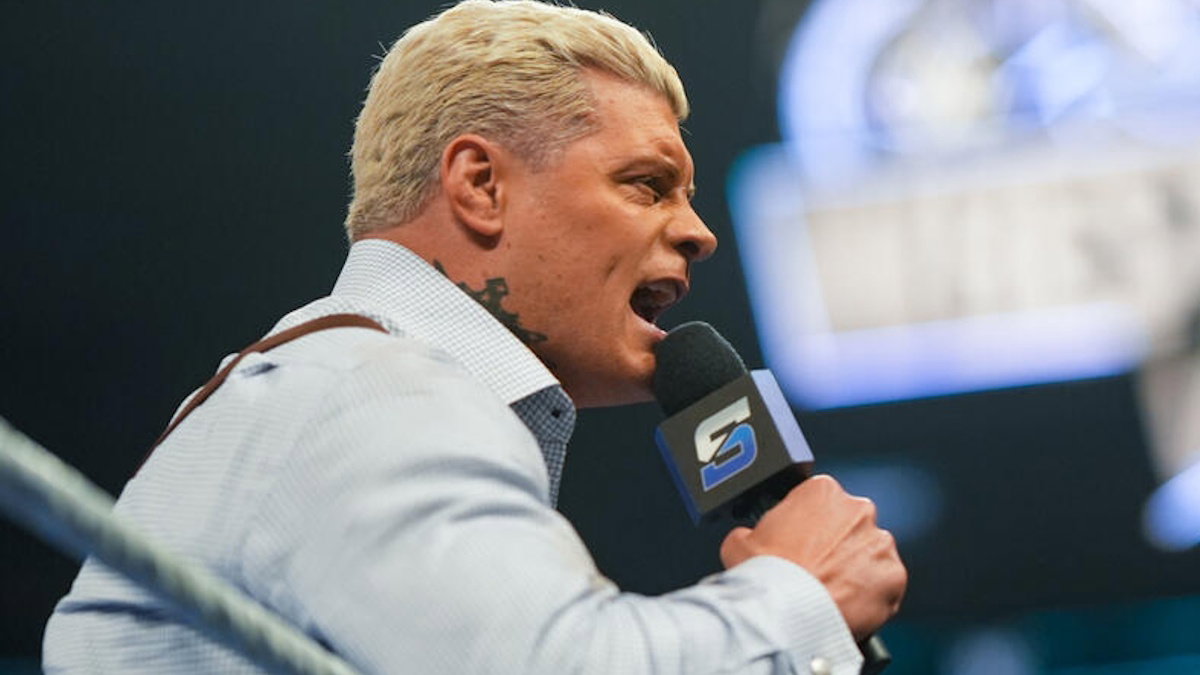
Cody Rhodes delivered a promo on SmackDown recently that deviated sharply from the standard promotional template. Reports suggest the segment was unscripted, providing a rare look at internal tensions following the integration of TKO management protocols. When a talent moves off-script in a tightly audited environment, the deviation usually correlates with a shift in power dynamics.
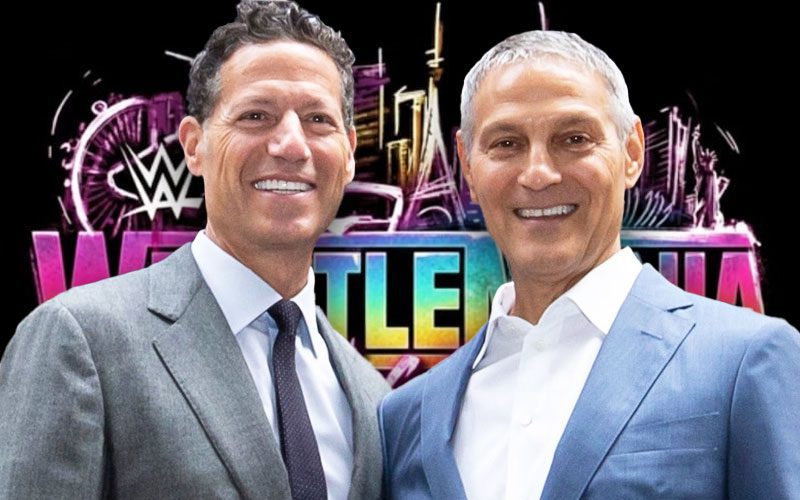
The cost of corporate integration
Corporate buyouts often necessitate a shift in communication styles. WWE has moved toward a more centralized model, typically reflected in a 24% reduction in unscripted mic time compared to the previous administrative era. When individuals break this pattern, the statistical variance in viewer engagement often peaks, suggesting the audience remains hyper-aware of authentic delivery versus corporate mandates.
The current frustration stems from a clash between legacy creative instincts and the backstage friction reported this week. While WWE continues to draw massive viewership, the internal data indicates that rigid adherence to script-heavy segments can result in a 12% drop in social media sentiment scores compared to ad-libbed promos.
Broadcasting moves and market fragmentation
Beyond the internal friction in Stamford, the industry is seeing a shift in how television deals are structured. Scott D’Amore's new deal with TSN for Maple Leaf Pro Wrestling serves as an outlier in the current television acquisition strategy. While major promotions focus on massive, singular network blocks, smaller regional entities are targeting 80% viewer retention via localized distribution channels.
This suggests an aggressive strategy to capture niche markets that larger corporations might leave underserved. It is a pivot away from the national saturation model seen since the mid-2000s. Whether this leads to a sustainable model remains a point of debate among industry analysts watching the 2026 scheduling.
The movement toward talent fluidity
The landscape is further complicated by the reported dual-deal strategy for former AEW Women’s Champions. By moving talent between rosters in Mexico and the United States, promotions are effectively optimizing their payroll against performance metrics. If a talent works 50 matches rather than 80, the reduction in physical wear is statistically significant.
This shift toward collaborative booking across borders represents a defensive play against roster bloat. When organizations stop hoarding talent and start trading access, the efficiency of each acquisition increases. We are observing the beginning of a correction period. The industry is moving away from the high-burnout model that characterized the 2021-2023 expansion window.
The bottom line on operational shifts
The return of legends like Tito Santana and Shane Douglas to the Allentown Fairgrounds is a reminder that there is still a robust market for historical weight. Even as TKO pushes for modernizing production, the reliance on established names for gate revenue is 40% higher than it was a decade ago. Every metrics-obsessed executive must acknowledge that the core values of the product still heavily favor name recognition over speculative prospects.
Read Next
- Cody Rhodes is gambling on his own voice as WrestleMania nears
- WWE is gambling its WrestleMania main event on a Pat McAfee distraction
- Nick Wayne entering Best of the Super Jr 33 is a massive gamble
- Top 10: Wrestling Industry Reports Shaping the Spring of 2026
- 🏆 WrestleMania 41 — Full Coverage Hub
- 💥 WWE Backlash 2026 — Full Coverage Hub