The Physical Toll of an Unscripted SmackDown
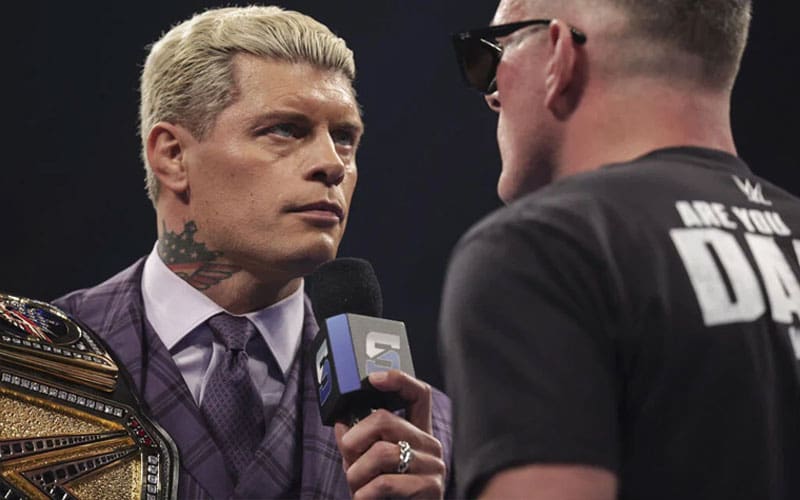
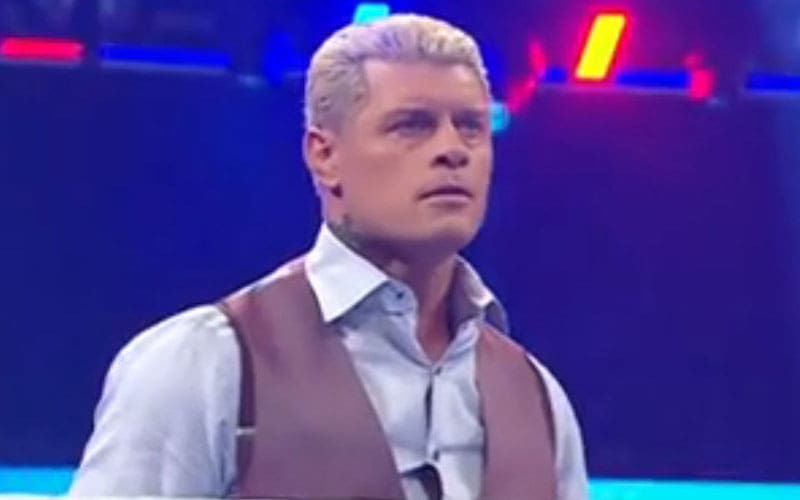
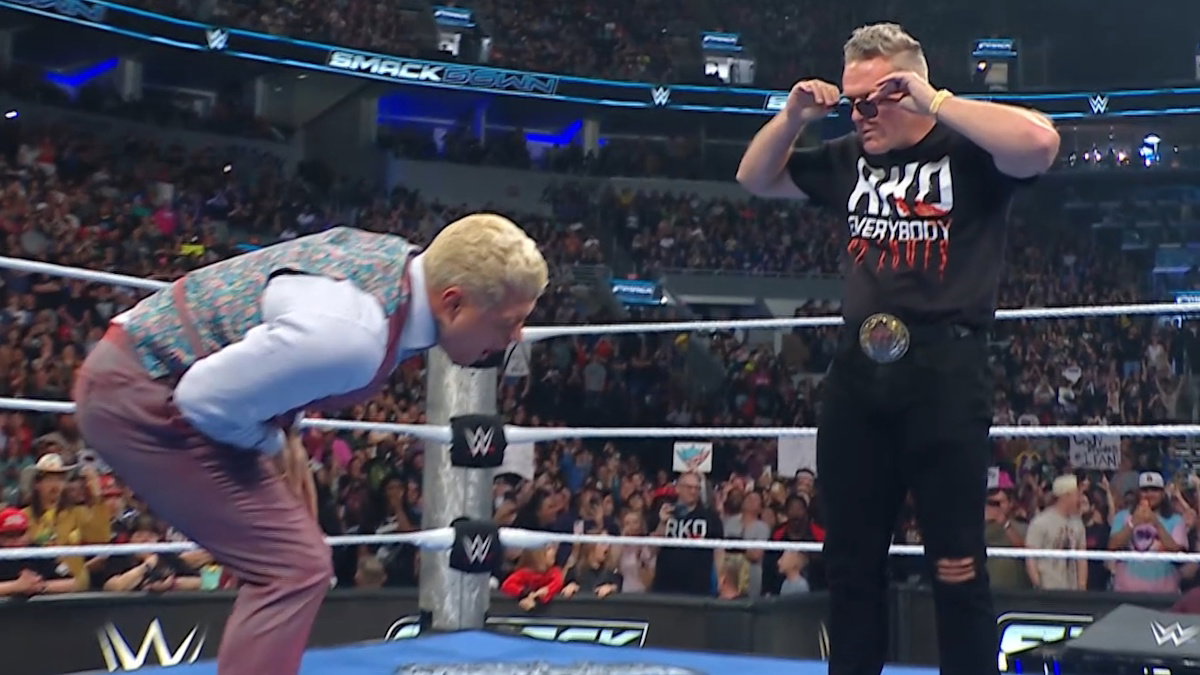
Cody Rhodes enters the final stretch before WrestleMania 41 nursing more than just bruised ego. Following the events of April 3 at the Enterprise Center in St. Louis, where he was ambushed by a returning Pat McAfee, sources close to the production confirm Rhodes is dealing with the physical aftereffects of an unscripted segment that spiraled out of control. The physicality was not part of the initial creative brief, forcing Rhodes to absorb unexpected impact during a brawl that left both the talent and TKO brass visibly rattled.
While WWE has not issued a formal medical report, the nature of the ambush—which saw McAfee align with Randy Orton—required Rhodes to protect himself during an improvised sequence that lacked the usual safety choreography of a standard televised match. Unlike scripted spots where technicians and producers monitor collision velocities, this exchange was raw. Rhodes was reportedly told by production staff to improvise his promo earlier that evening, reflecting genuine backstage tension between top talent and TKO corporate leadership over the recent creative shifts.
Tactical Risks and Industry Fallout
This situation mirrors the 2016 period, exactly a decade after Rhodes first decided to depart WWE due to similar creative frustrations. Historical patterns in wrestling suggest that when top-tier performers are forced into unscripted physical conflict, the likelihood of soft tissue injuries increases significantly. Wrestling a high-stakes program against a veteran like Randy Orton requires precision, yet the current booking trajectory is introducing volatility that risks sidelining the Undisputed WWE Champion.
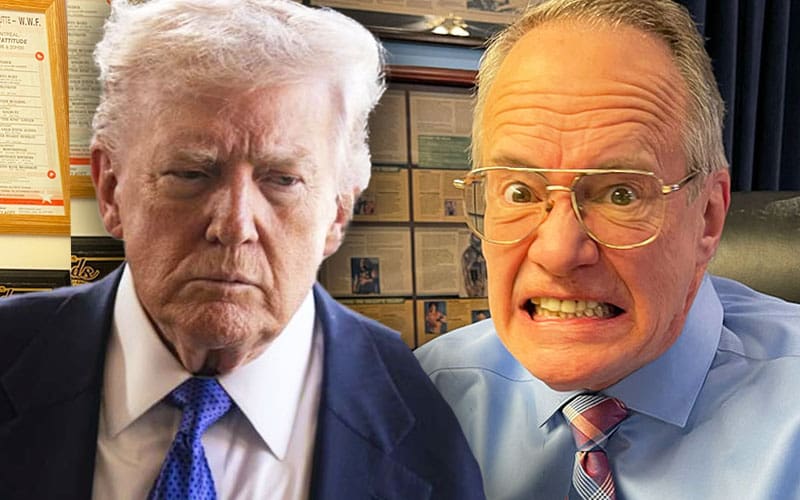
Mark Henry has defended the direction, noting the Attitude Era-esque intensity currently being pushed, but the cost to the performers is evident. By abandoning the safety of a tightly controlled narrative, the company is exposing its marquee talent to preventable minor injuries. The juxtaposition of Rhodes’ comparison of the McAfee return to Disco Inferno only deepened the friction, leading to real-world threats and a heightened defensive posture from everyone involved.
Strategic Implications for WrestleMania 41
The timeline for recovery is tight. WrestleMania 41 Night 1 is now only 14 days away. With Rhodes set to manage the fallout of the McAfee-Orton alliance, any physical limitations will be scrutinized by fans and medical staff alike. If Rhodes is less than 100 percent, the planned spots for the upcoming card face immediate revision. WWE relies on the health of the Undisputed Champion to anchor the dual-night spectacle, and a lingering issue from a mid-card angle is precisely the kind of avoidable risk that critics have pointed out following the (Wade Keller-led critical analysis) of the SmackDown broadcast.
The broader impact suggests a internal shift in how TKO manages talent interactions. When performers are given the leeway to 'shoot' on air, they become liabilities to their own long-term health. The current friction marks a stark departure from the polished, safe production style that defined the HHH-led era until this month. As it stands, Rhodes remains cleared for competition, but the physical tax of these unscripted segments is becoming a focal point of concern for the locker room. The industry standard remains clear: unplanned physicality without the support of clear creative boundaries almost always results in a diminished product and exhausted talent.
Read Next
- Cody Rhodes and the TKO friction point
- Why the Pat McAfee booking mistake is a massive WrestleMania 41 risk
- Pat McAfee’s SmackDown return signals a high-stakes pivot for WWE creative
- Trick Williams on SmackDown is a massive risk WWE is not ready to manage
- 🏆 WrestleMania 41 — Full Coverage Hub
- 💥 WWE Backlash 2026 — Full Coverage Hub