The transition from technical grind to viral velocity
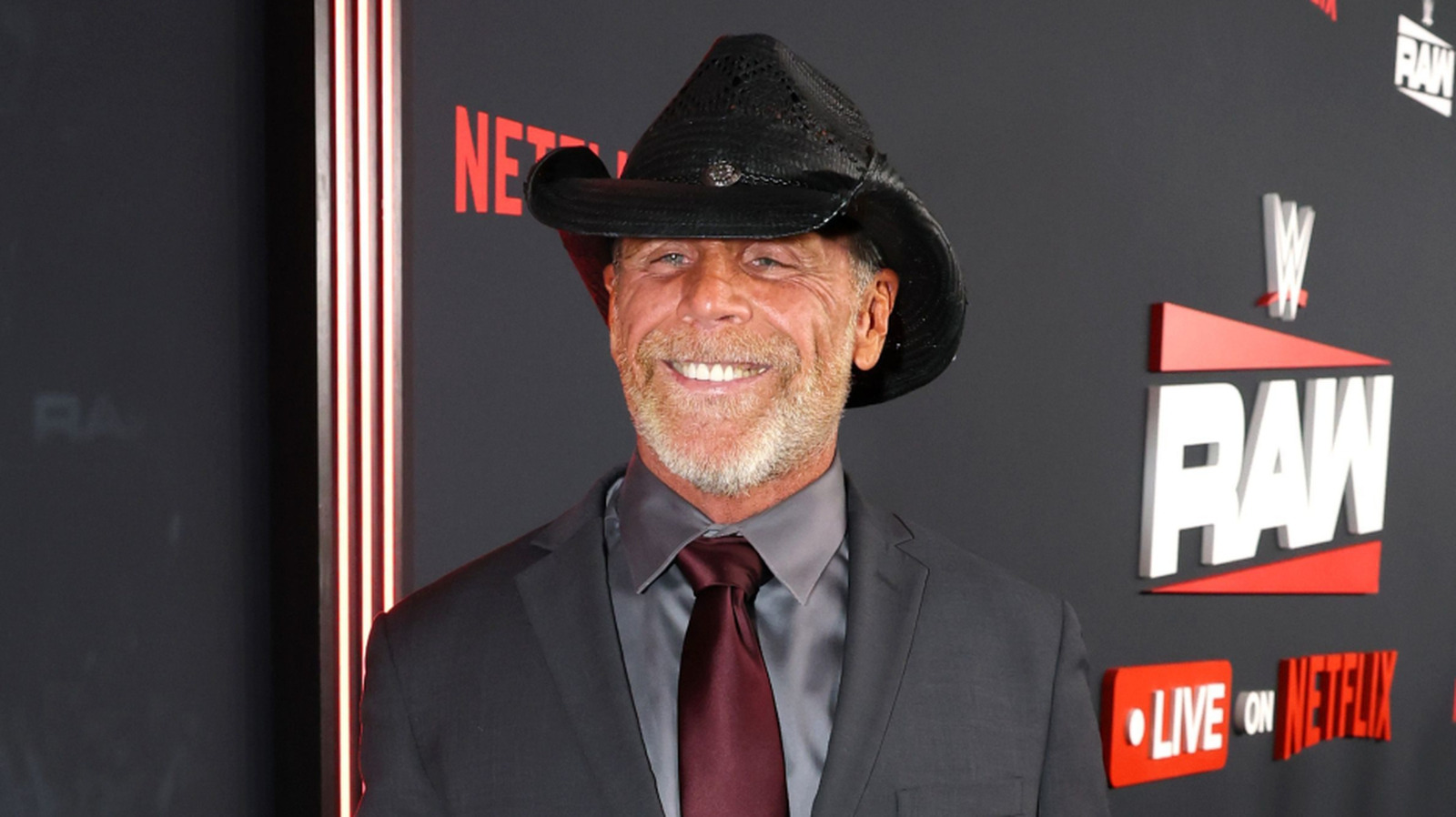
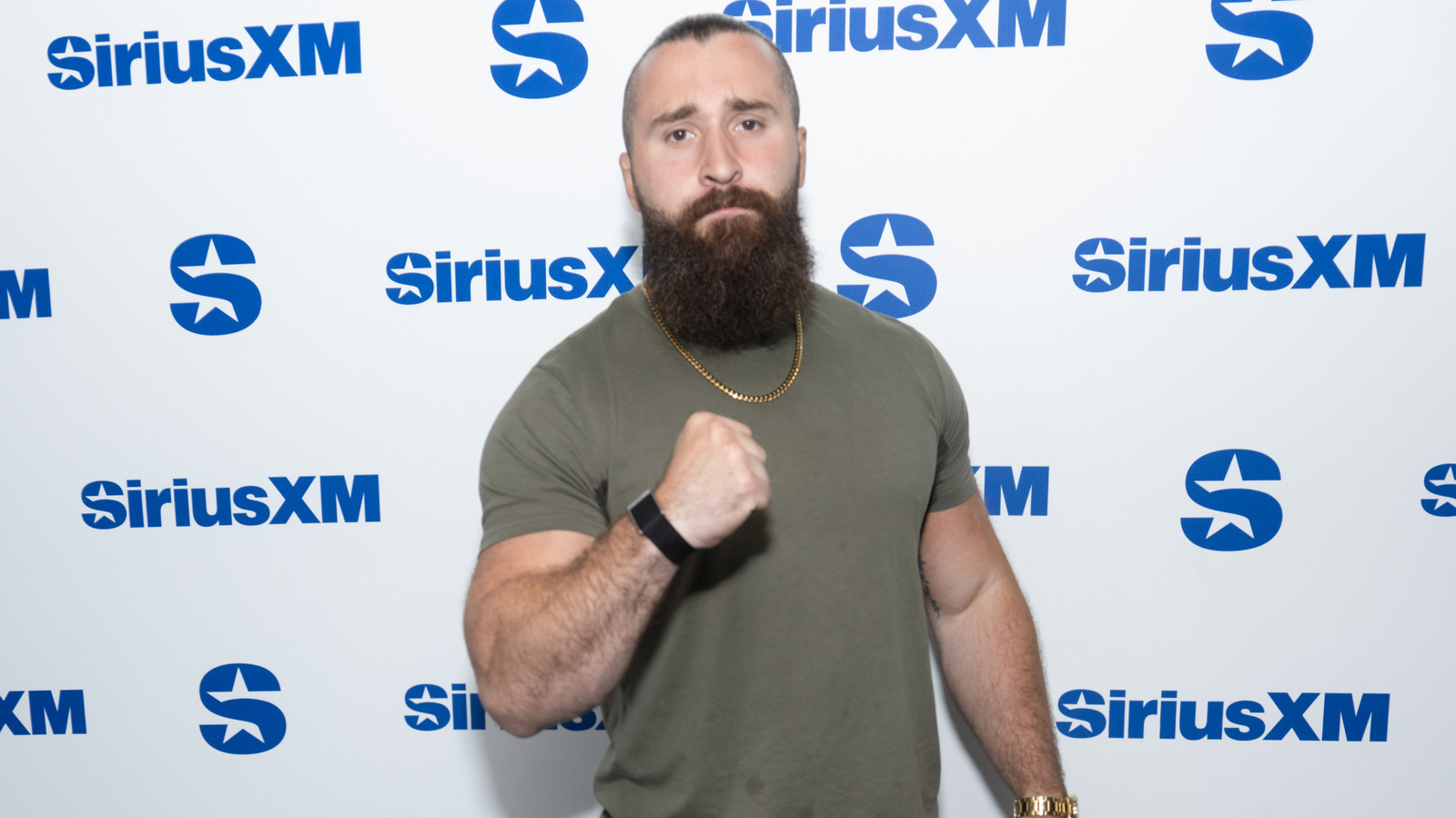
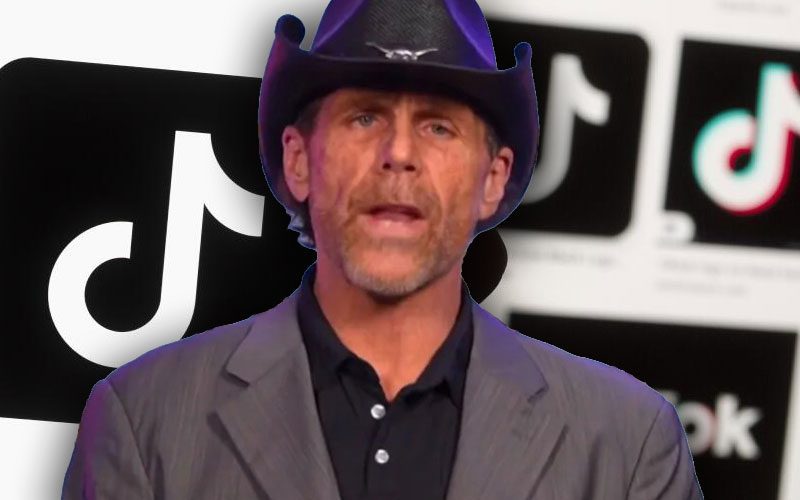
As we approach May 9, 2026, for WWE Backlash, the conversation around the product shifted significantly after Ridge Holland recently categorized the current NXT pacing as TikTok style. This tactical evolution, championed by Shawn Michaels, prioritizes rapid-fire sequences and immediate escalation over the methodical, heavy-hit style typical of the developmental brand from six years ago.
We are seeing this in-ring philosophy bleed into the main roster. The obsession with high-density spot sequences means matches often lack the breathing room required for genuine emotional stakes. When every frame is packed with a potential viral highlight, the fundamental psychology of work-rate—building heat through methodical limb-work or logical progression—is frequently jettisoned.
The danger of trading substance for clips
Matches in 2026 feel shorter because they are calibrated for immediate playback. A standard opening contest now often features a high-impact exchange in the first 90 seconds, bypassing the classic feeling-out process. While this caters to the creative direction discussed by Ridge Holland, it forces wrestlers into a repetitive cycle of trading signature moves before the audience has invested in the narrative.
The inefficiency here is noticeable during pay-per-view broadcasts. By the time the main event arrives, the audience has endured three hours of near-fall-heavy transitions. These matches often culminate in finishers that receive diminished returns, as the fans have already seen six top-rope maneuvers in the opening segment.
Backlash will expose the middle-card flaw
The upcoming card in May must navigate this specific trap to avoid becoming a blur of inconsequential motion. Expect the mid-card matches to feature heavy reliance on dives and rapid-fire counters meant for short-form social media distribution. If a bout exceeds 15 minutes, the tactical struggle will be sustaining interest after the inevitable flurry of signature strikes.
Critically, the booking team often fails to pace the card to account for this frantic energy. If the first three matches rely on constant high-octane sequences, the crowd hits a sensory plateau by the midpoint. Unless we see a shift toward distinct character-driven friction rather than pure movement, the spectacle risks feeling hollow in the arena.
Predicting the impact of the May 9 fallout
I anticipate the main event will attempt to buck this trend by incorporating a more deliberate pacing structure. Watch for the use of holds in the 8th minute as a tactical reset; if they ignore this staple of ring psychology, the match will lose the needed tension. The reliance on viral-first wrestling will eventually hit a ceiling where audiences demand a return to grounded storytelling.
My prediction for Backlash is a 3.25 star average for the card. The high-end matches will succeed due to individual talent, but the lack of strategic variance in the undercard will prevent it from reaching a higher tier. It is time for WWE to realize that while speed makes an impression, consistency builds the legend.