The transition from the performance center to the wild
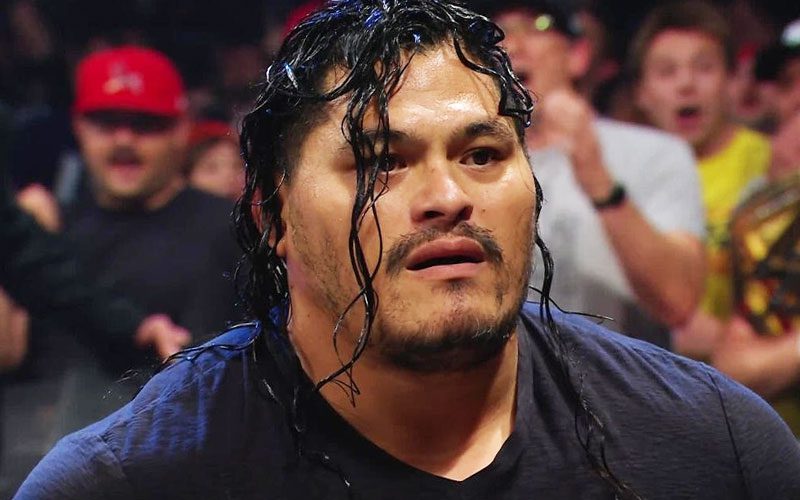
The business of professional wrestling operates on cycles of talent renewal, and the recent exit of JC Mateo from WWE is a jarring reminder of how quickly the tide turns. After spending years in the developmental grind, Mateo is now an unrestricted free agent at a time when the major promotions are aggressively scouting for high-ceiling performers who have already been seasoned by a major-league system.
We are five days out from WWE Backlash, a premium live event that historically highlights just how hungry the mid-card talent remains to prove they belong on the marquee. Mateo spent his tenure there chasing that exact validation, but the reality is that the roster is crowded, and the creative focus often shifts away from those who haven't yet reached a specific breakout threshold.
Where the scouts are watching
The industry chatter suggests Mateo is not intending to stay dormant for long. A transition like this usually triggers a flurry of activity behind the scenes, with independent promoters looking to cash in on the post-WWE bump while larger outfits like AEW weigh the cost of signing a developmental product versus a proven commodity.
Technical analysts look at recent tape from his final months and see a wrestler who mastered the mechanics of the WWE style but struggled to find a signature character hook. That is the fundamental disconnect for many developmental departures: they perform the spots with clinical precision, yet the crowd remains detached because there is no emotional tether to the performance.
The booking risk for promoters
Signing a former prospect is always a gamble. Can an athlete who grew up inside a controlled environment pivot to the chaos of the independent circuit? Mateo has the raw physical attributes—an athletic frame and solid fundamental groundwork—but he needs a promotion that will allow him to abandon safe, rehearsed sequences in favor of something more kinetic.
If he lands in a promotion that prioritizes high-impact technical wrestling, he could thrive. However, if he tries to replicate the same sterile routines that got him cut from Orlando, he will likely find his stock dropping alongside his interest from major television networks. The pressure is mounting.
The prediction for the immediate horizon
The rumor mill is spinning, but the most logical path leads to a high-profile tour of the international independent scene to build a genuine identity before re-committing to a major contract. Mateo needs to lose the corporate polish that currently defines his work.
I expect him to appear at a mid-tier promotion within the next 60 days. If he succeeds, he forces the hands of the executives who let him walk. If he fails to diversify his move set or find a compelling voice, he becomes just another name in the pile of forgotten prospects. My money is on him finding that edge, but only if he stops wrestling like he is waiting for a producer's approval.