WrestleMania Weekend: A Statistical Anomaly of Off-Screen Incidents
The spectacle of WrestleMania weekend, a highlight for professional wrestling fans globally, has recently presented a concerning trend: a disproportionate number of high-profile, off-screen incidents. While the in-ring action delivered expected drama, a closer look at the events surrounding the 48 to 72-hour window of major wrestling activity reveals a statistical anomaly. At least three distinct, significant incidents involving top-tier talent overshadowed elements of the main card, a stark deviation from the typically tightly controlled environment of WWE's flagship event.
Historically, such a concentration of public and private challenges within such a condensed period has been rare. The recent period saw an uptick in security concerns, public confrontations, and critical performer health scares, forcing a re-evaluation of event logistics and talent welfare protocols. This isn't merely anecdotal; the sheer volume and varied nature of these occurrences in rapid succession demands a more analytical approach to how major wrestling events are managed, particularly as the industry continues its global expansion.
Security Lapses: From Fan Swarms to Public Confrontations
The issues began with candid reports from performers themselves, underscoring vulnerabilities that are becoming increasingly difficult to ignore. AJ Styles, a cornerstone of the WWE roster, publicly described being “swarmed like bees” by fans during the extended WrestleMania weekend. This isn’t simply zealous fan engagement; it signifies a serious breach in the security perimeter designed to protect talent and maintain order at high-capacity events. When a performer of Styles' caliber cannot move freely and safely through designated areas, it signals a systemic vulnerability in crowd control, especially given the monumental scale of these annual gatherings.
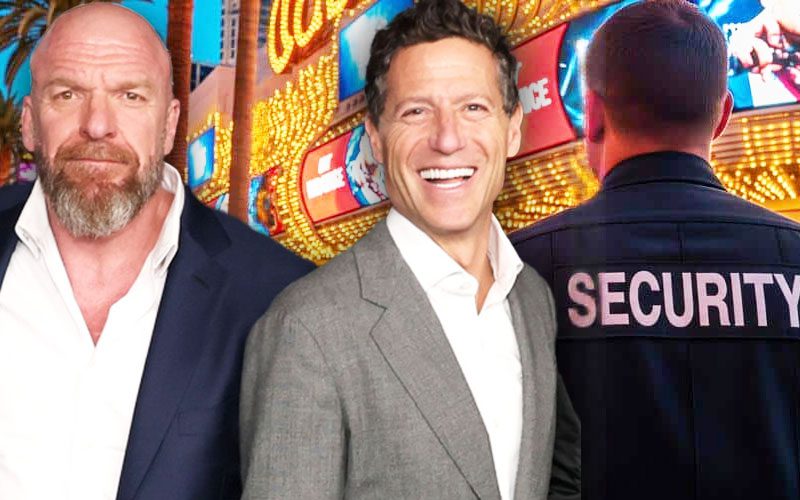
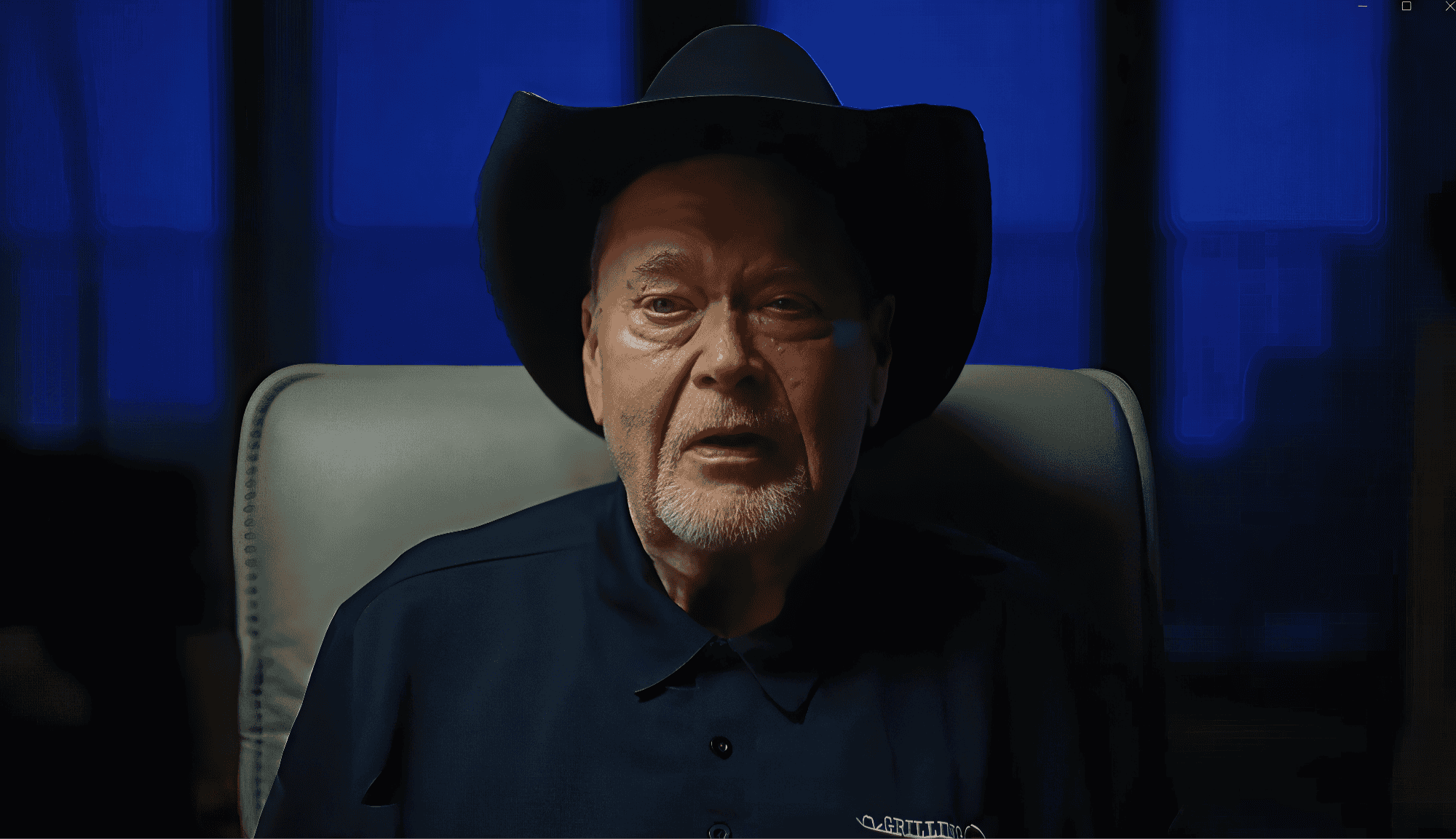
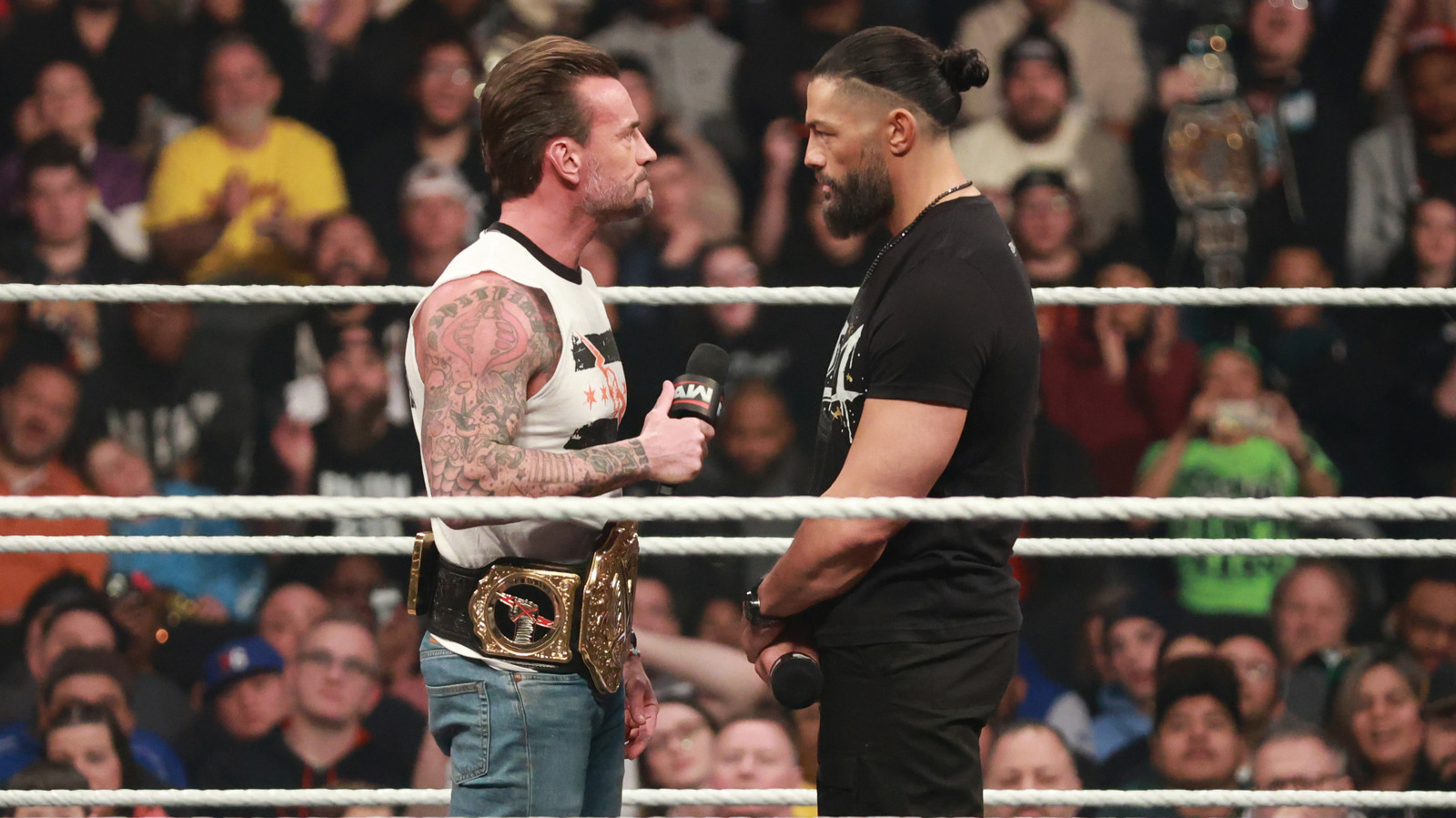
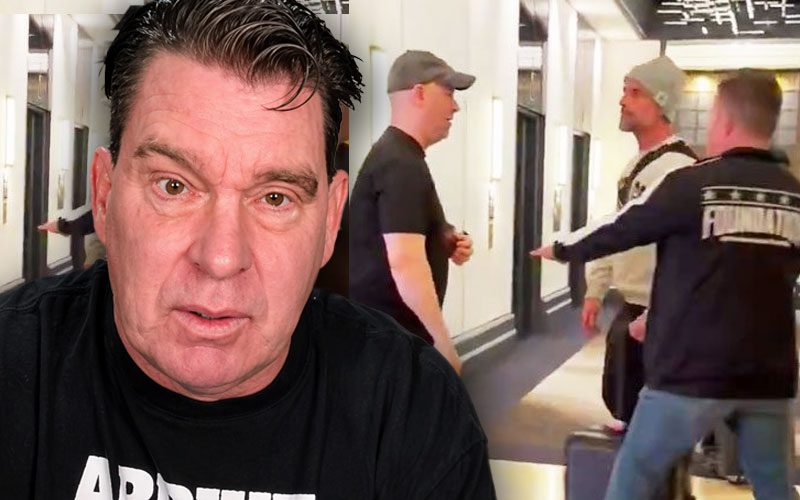
Further compounding the situation was the widely reported CM Punk "phone-smacking incident" during a post-WrestleMania period event. While WWE Hall of Famer JBL quickly defended Punk's actions, attributing it to the pressures of the business, the fact remains that a high-profile confrontation occurred publicly, drawing significant negative attention. These two events – a physical security perimeter breach involving Styles and a public interaction gone awry with Punk – represent a notable departure from the typically pristine public image WWE aims to project during its biggest week of the year. The contrast to previous years, which often featured zero major public security incidents of this specific nature, is undeniable and raises questions about evolving fan interaction dynamics.
"You've got thousands upon thousands of people, and sometimes things happen. I mean, it's not ideal, but it's part of the business."
– JBL, defending CM Punk's actions (Source: Ringside News)
The Silent Battle: Performer Health and the Cost of Performance
Beyond the external pressures of crowd management and public perception, the internal struggles of performers also came into sharp focus. Stephanie Vaquer’s candid recollection of nearly missing her WWE Wrestlepalooza 2025 Women's World Championship win due to severe illness offers a sobering perspective on the unseen sacrifices made by athletes. Vaquer, a reigning champion, battled her condition right up to the bell, illustrating the immense pressure and dedication required to compete at the highest level. Her successful defense of the Women's World Championship, despite the personal hardship, highlighted the unseen toll of professional wrestling schedules.
This incident, occurring in late 2025, underscores a critical point often overlooked by fans: the physical and mental resilience required to maintain a punishing schedule, particularly during marquee events. While we celebrated Vaquer's triumph, it should also prompt deeper questions about the support systems in place for performers when their health is compromised. How many other title bouts, like Brie's Tag Title win, which was celebrated and reviewed by Zelina & Charlie, involve performers pushing through significant, unannounced health issues? The cumulative effect of these hidden battles can impact long-term health and career longevity, factors rarely considered during match build-ups.
The Ripple Effect: Broader Implications for Talent and Brand
The convergence of these varied challenges — from lapses in fan safety to the hidden health crises of talent — collectively paints a picture of increasing operational strain during peak wrestling periods. While WWE continues to shatter attendance and revenue records, the infrastructure supporting these massive endeavors shows cracks. The focus on delivering a grand spectacle, while commendable, cannot come at the expense of robust security, clear talent-fan interaction guidelines, and comprehensive performer welfare programs.
A critical observation emerges from this cluster of events: the increasing complexity and scale of modern wrestling events seem to be outstripping the current incident prevention and management strategies. The expectation of flawless execution on a global stage, coupled with the relentless schedule demands on talent, creates a precarious balance. Without addressing these challenges proactively, the industry risks not only its talent's well-being but also the pristine reputation of its most prestigious events. The future success of WrestleMania, and similar tentpole shows, will increasingly depend on its ability to manage these unseen battles as effectively as it stages its in-ring wars.
Read Next
- Lawrence Taylor and the dangerous precedent of celebrity main events
- Ricky Starks finally looks set for his WWE debut tonight
- More Isn't Better: Why Two Nights Dilutes the WrestleMania Spectacle
- WWE is heading back to Riyadh and the WrestleMania rumors are flying
- 🏆 WrestleMania 41 — Full Coverage Hub