The Hidden Toll of WrestleMania Week
The physical reality of a modern WrestleMania is an absolute endurance test. It is a grueling, multi-day gauntlet of 15-hour schedules, endless walking across massive stadium concourses, and chaotic crowd environments.
Usually, my desk is flooded with post-event injury reports detailing torn triceps, concussions, and aggravated knee joints. But the medical and safety fallout from Las Vegas isn't about what happened between the ropes. Instead, the focus has shifted entirely to systemic logistical failures that compromised the health of returning legends, the security of the talent roster, and the safety of the fans.
This was supposed to be a flawless corporate showcase for TKO. The parent company brought the spectacle to Allegiant Stadium with the promise of unprecedented operational efficiency.
Instead, the narrative is dominated by nutritional neglect, glaring security vulnerabilities, and a heartbreaking tragedy. TKO executives might be looking at record-breaking gate receipts, but the execution behind the scenes was deeply flawed.
A Tragic Loss in Las Vegas
The most sobering news to emerge from the weekend has nothing to do with wrestling storylines. Marc Izard, a UK wrestling fan who went missing during the week's festivities, has tragically been found deceased. While authorities have not released a final medical cause of death, the situation highlights the overwhelming safety challenges of dropping over 70,000 international tourists into a sprawling, high-intensity environment.
Navigating a massive event week requires physical stamina and mental awareness. Fans are dealing with heavy crowds, long lines, and the overwhelming sensory overload of the Las Vegas strip. When a tragedy like this occurs, it forces a hard look at the surrounding crowd management systems.
Are there enough visible security personnel? Is crowd control actively monitoring for distressed individuals? The exact circumstances of Izard's passing remain under investigation, but his death casts a permanent shadow over the event and raises serious questions about the safety net provided for traveling fans.
Las Vegas is notoriously punishing on the human body due to the dry heat and the sheer distance between casino properties. A fan walking from a hotel to the stadium can easily cover three miles in hostile conditions. The lack of proactive hydration stations and wayfinding support for pedestrians is a massive oversight.
Nutritional Neglect and Legend Welfare
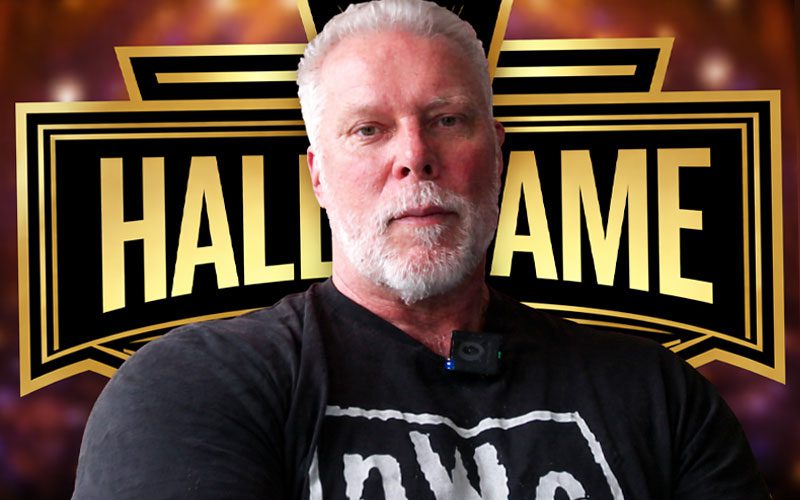
Behind the scenes, the physical welfare of the talent and returning legends was shockingly mismanaged. Kevin Nash has publicly accused WWE of what he termed "elder abuse," claiming the company effectively starved him during the weekend's events.
To a casual observer, missing a meal might sound like a minor inconvenience. From a sports medicine and physiological perspective, it is a massive failure in basic duty of care.
Nash is 65 years old. He is a 6-foot-10 former athlete who has undergone numerous invasive joint surgeries, including multiple knee replacements. For a man of his size and medical history, proper nutrition and hydration are not optional luxuries.
They are fundamental requirements to keep his body functioning properly. During a stadium show, legends are often shuttled to the venue early in the afternoon to beat traffic. They are essentially trapped in green rooms or private suites for up to eight hours before the main event even begins.
When you subject a massive, battered frame to the physical stress of travel, endless media appearances, and hours of sitting in stadium holding areas, the body requires fuel. Depriving a man of Nash's size of adequate caloric intake leads to rapid blood sugar drops, muscular cramping, and severe physiological fatigue.
The physical toll of dehydration and starvation on a senior with a history of severe joint degradation is significant. Your muscles tighten. Your joints ache more severely without proper fluid intake.
It takes days for a body with that much mileage to recover from a simple blood sugar crash. For TKO to reportedly fail at something as basic as catering for their Hall of Famers is embarrassing.
If you look at how the NFL treats its alumni during Super Bowl week, providing round-the-clock catered suites and medical check-ins, the contrast with WWE's current approach is jarring.
Historically, WWE was known for taking exceptional care of its legends backstage. There was always an abundance of food, water, and medical staff available for the older alumni. If Nash's claims are accurate, it suggests that TKO's aggressive corporate cost-cutting measures have reached the catering department.
When you invite dozens of older, physically compromised men to your event, you assume a medical liability. Failing to provide basic sustenance is a glaring operational breakdown.
Security Vulnerabilities Exposed
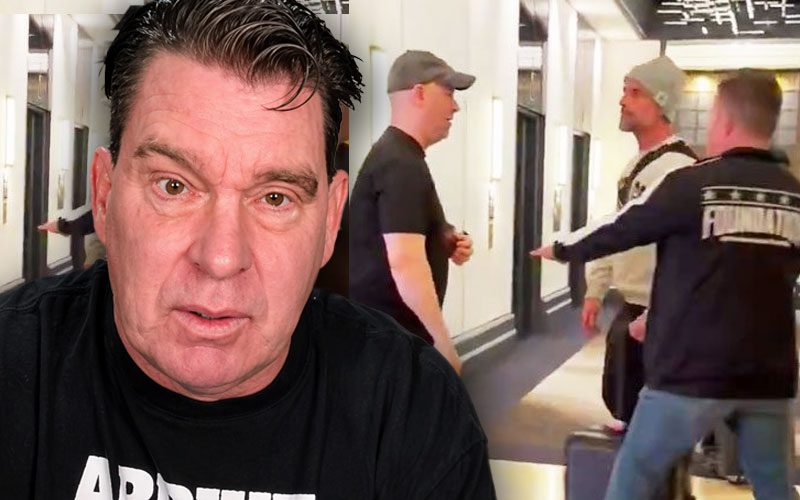
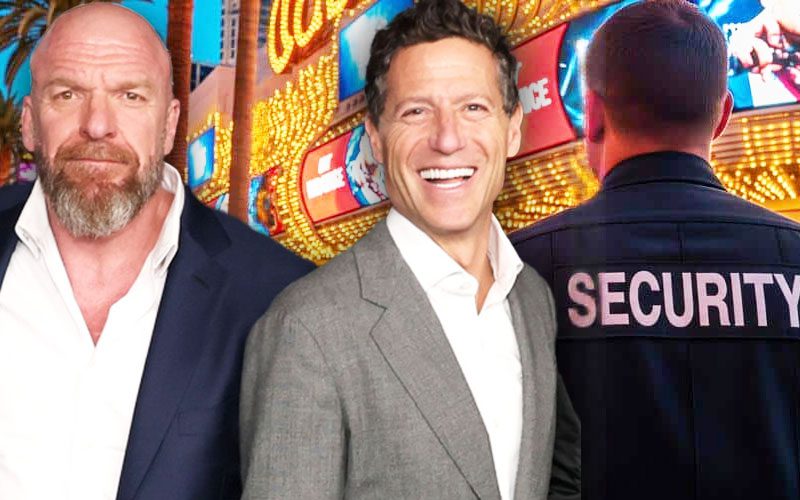
The safety failures extend well beyond the catering table. Former WWE star Stevie Richards has thrown a spotlight on the glaring disconnect between executive protection and talent safety. Richards publicly dared Triple H and TKO executives to navigate the weekend without their heavy security details, pointing to recent fan incidents that put talent at risk.
Richards is hitting on a critical nerve. The physical safety of wrestlers navigating public spaces and arenas has been a growing concern for years. We all remember Seth Rollins being tackled by a fan on live television, or the terrifying moment when Bret Hart was rushed during his Hall of Fame induction.
The talent roster is incredibly exposed. They walk through airports, hotels, and arena corridors surrounded by fans who are sometimes intoxicated and aggressively seeking interaction. Mob mentality can trigger a crowd crush scenario in seconds, putting both the wrestlers and innocent bystanders at risk of trampling or asphyxiation.
If executives are wrapped in a protective bubble of private security while mid-carders and legends are left to fend for themselves, the risk of unscripted physical trauma skyrockets. Wrestlers already put their bodies on the line in the ring.
They shouldn't have to worry about defending themselves from an overzealous crowd while trying to get to their rental cars.
Interestingly, TKO's other property, the UFC, surrounds its fighters with a phalanx of security guards from the hotel elevator directly to the octagon. WWE talent rarely receives the same level of escort. Richards is demanding that TKO management experience the same physical vulnerability that they ask their independent contractors to endure.
Looking Toward Backlash
The broader impact on the industry is clear. TKO needs to immediately overhaul its logistical, medical, and security protocols. The corporate machine is clearly geared toward maximizing profit margins, but it cannot come at the expense of basic human welfare.
You cannot run a billion-dollar stadium show and forget to feed your Hall of Famers. You cannot invite tens of thousands of international fans without ensuring your event security and crowd management systems are flawless.
As we look toward Backlash on May 9, the timeline for resolving these issues is practically non-existent. TKO has less than two weeks to fix its backstage logistics. They need dedicated liaisons for older talent to ensure medical and nutritional needs are met without question.
They need to expand their security perimeter to protect the talent outside of the immediate backstage area. The failure to do so will only result in more injuries, more public complaints from respected legends, and potentially more tragedies.
The events of this past week serve as a grim reminder that the wrestling business is inherently dangerous, even outside the ring. The physical demands of simply existing in the chaotic environment of a major premium live event require proper support structures. Right now, those structures appear to be failing.
The tragic passing of Marc Izard, the physical neglect of Kevin Nash, and the security warnings from Stevie Richards all point to a corporate leadership team that took its eye off the ball. TKO has a lot of work to do to rebuild trust with its fans, its talent, and its legends.
Read Next
- WWE roster churn exposes the cold math of the TKO era
- Triple H keeps his job despite the growing noise from TKO corporate
- Nick Khan is doing a lot of heavy lifting for Triple H's creative team
- AEW is trading prestige for punchlines with this Nealon-DeVito nonsense
- 🏆 WrestleMania 41 — Full Coverage Hub
- 💥 WWE Backlash 2026 — Full Coverage Hub