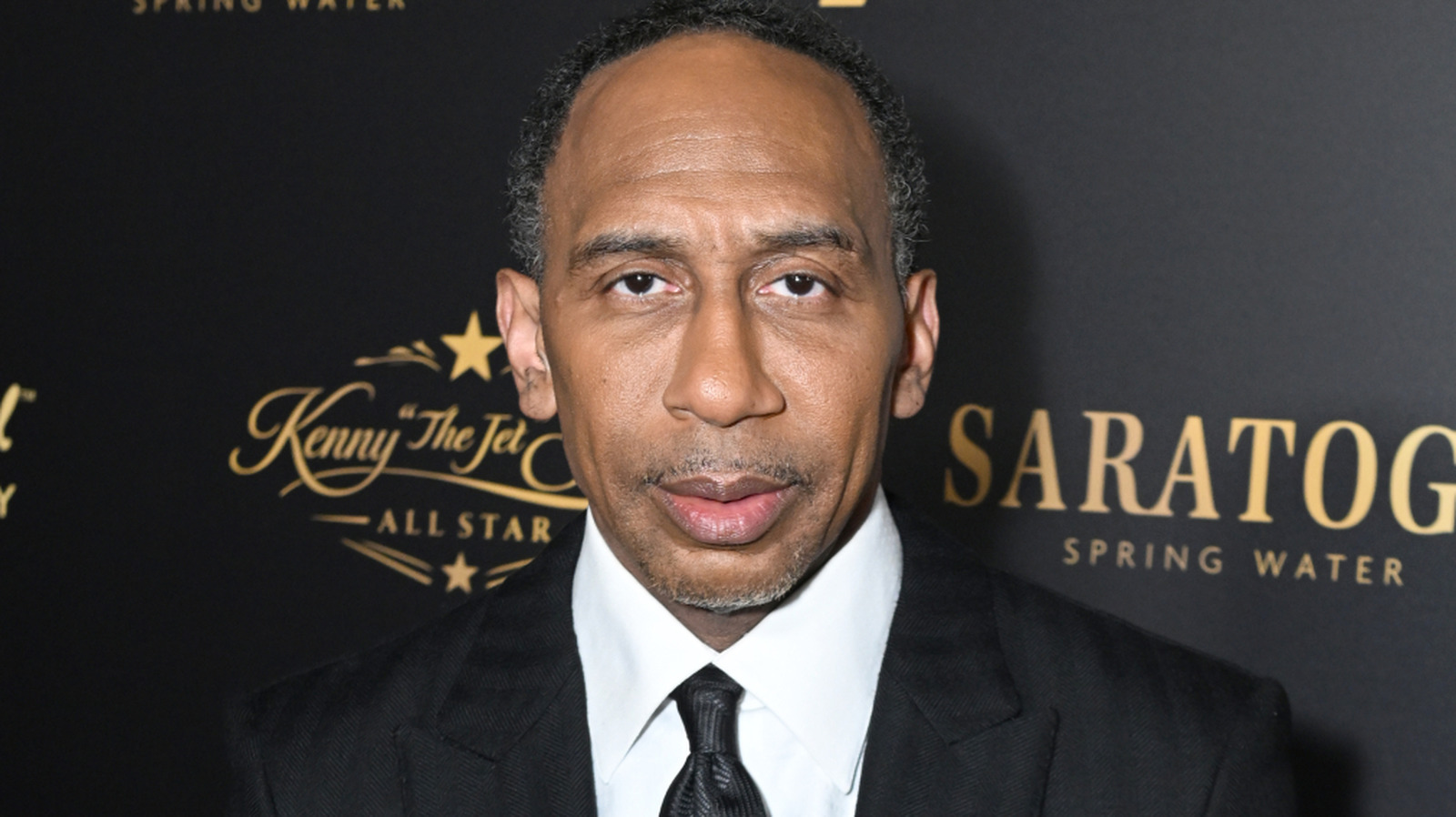
Lawrence Taylor and the dangerous precedent of celebrity main events
The cost of the spectacle
News broke today that Lawrence Taylor has been hospitalized. For those who recall the mid-nineties, Taylor remains the ultimate anomaly in professional wrestling. He stepped into the ring at WrestleMania XI, facing Bam Bam Bigelow in a move that fundamentally altered how promoters perceived mainstream reach.
Taylor was an NFL Hall of Famer, not a worker. When he took that match in 1995, it was a high-stakes gamble for Vince McMahon. Putting a non-wrestler in the closing spot of your biggest show of the year carries an inherent risk to the credibility of the internal roster. It suggests the athletic spectacle performed by dedicated talent isn't enough to drive the buy rate.
The thin line between marketing and injury
The hospitalization serves as a grim reminder that these performers, celebrity or otherwise, are pushing their bodies into zones they aren't conditioned for. While Taylor's current condition is his private matter, the industry history here is unavoidable. Asking a professional athlete from another discipline to engage in the specific physical stress of a wrestling ring usually ends in one of two ways: they either look out of place or they leave with a lingering injury.
We have seen the same structural failures in academic circles lately, where the rush for scale and visibility often blinds operators to the integrity of the process. As noted in a recent dissection of the KDD 2026 review cycle, when the institutional guards go down, the quality of the output craters. Whether it is a research paper or a main event, if the barrier to entry is lowered to chase ephemeral headlines, the product suffers.
Booking against the grain
The persistence of the celebrity-driven top spot is a sign that leadership still fears the organic growth of the mid-card talent. Instead of focusing on the internal mechanisms that create stars, promoters look for external validation. It is exactly why the industry sees massive resource burn that eventually hits a wall. Just as DeepSeek proved with their recent model iteration, brute-force scaling—or in this case, sheer star power marketing—is an evaporating strategy.
Real fan engagement doesn't come from a guest celebrity taking a bump at the 18th minute of a match. It comes from long-form storytelling that respects the audience's investment. When you treat the main event as a billboard rather than a payoff to a narrative, the fans notice. They sit through the match, they see the lack of polish, and they realize the bookers are playing them for fools.
The era of the efficiency rebellion
We are watching a shift in how audiences value their time. If the mainstream labs are still leaning on massive compute clusters to solve problems that can be handled by elegant engineering, they are losing. If wrestling promotions keep defaulting to celebrities to paper over booking failures, they are going to lose the audience as well.
I find it difficult to defend the practice even when the performer is someone with the raw physical gifts of an NFL linebacker. The match in 1995 was a spectacle, but it cost the full-time roster a spot that could have solidified a decade-long career. It was a 30-minute window that did nothing to sustain the business for the following five years.
The industry needs to stop hunting for viral moments that feel manufactured. High-level performance is the only thing that actually moves the needle in the long term. If you don't build the internal foundation, you're just renting temporary interest that vanishes the second the celebrity leaves the arena.
There is a lesson here for everyone from the boardrooms in San Francisco to the locker rooms in Florida. Shortcuts are expensive, they yield diminishing returns, and eventually, the bill comes due. Taylor’s involvement was a relic of a time when the spectacle was king; in 2026, we should be past that. The obsession with growth at any cost is a systemic error that haunts both AI labs and wrestling promotions alike.
WWE Men's John Cena Farewell Tour T-Shirt
Celebrate the legendary career of the GOAT during his final historic run.
Frequently Asked Questions
Why is the Lawrence Taylor WrestleMania match considered a risk?
What happens when non-wrestlers compete in professional wrestling?
How does celebrity booking impact wrestling talent development?
Why do modern wrestling fans react poorly to celebrity main events?
What is the consequence of choosing scale over quality in wrestling?
More Coverage
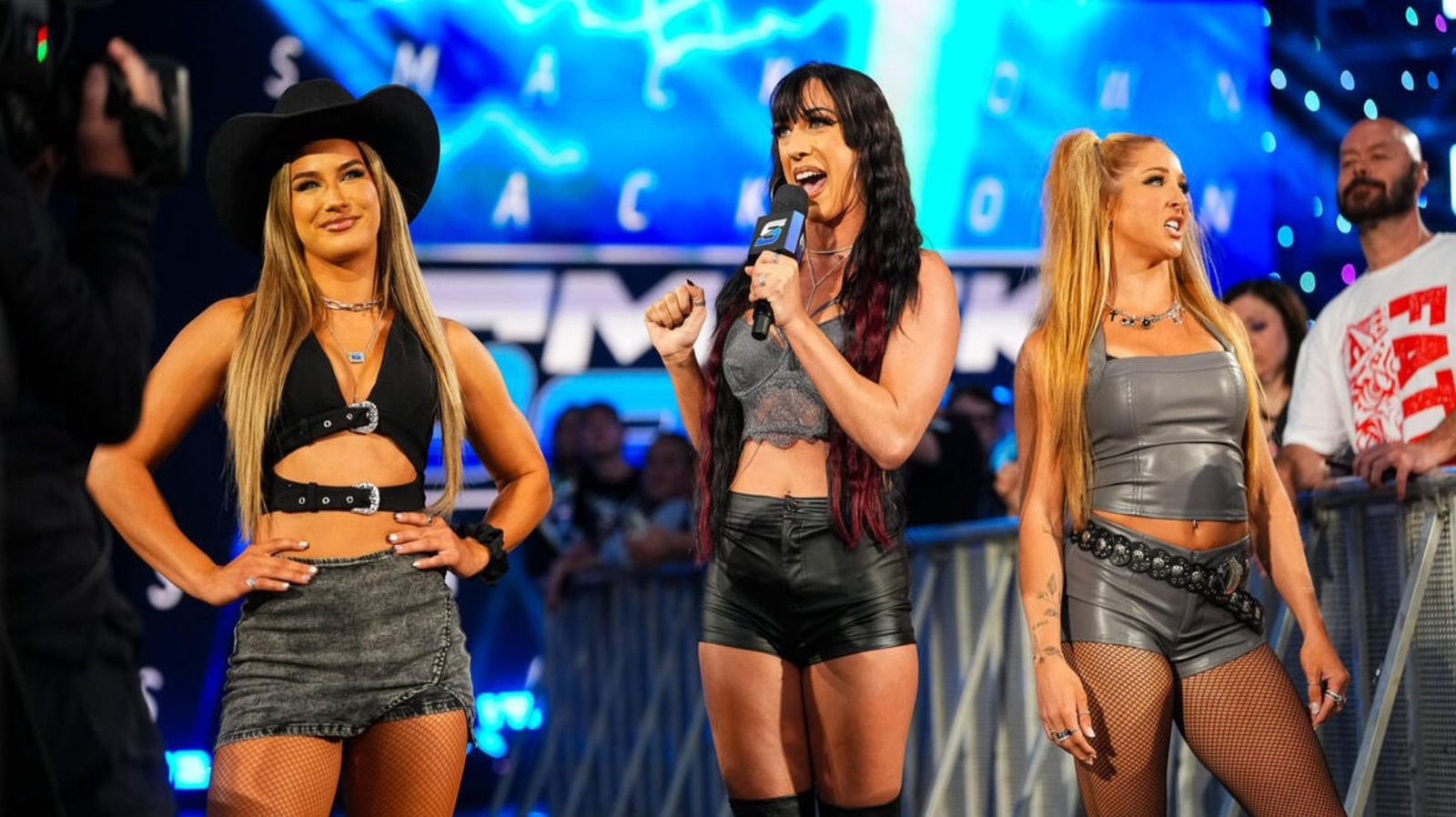
Fatal Influence are testing the durability of WWE's tag team division
5 minutes ago
Sami Zayn’s title reign remains the flashpoint of modern WWE booking
5 minutes ago
Why nostalgia-heavy podcasting is failing the current wrestling product
6 minutes ago
Cody Rhodes and CM Punk are drifting toward a collision course
6 minutes agoSummerSlam's new match has the internet split right down the middle
48 minutes ago
Nick Aldis is stepping back into the ring for SummerSlam
48 minutes agoMore Analysis
The celebrity trap remains a dangerous game for WWE
3 months, 1 week ago
Celebrity cameos at WrestleMania 41 feel like a massive distraction
3 months, 2 weeks ago
WrestleMania 41 booking must avoid the celebrity trap
3 months, 1 week agoWWE’s injury list grows as WrestleMania 41 nears
3 months, 2 weeks ago
WWE is gambling on star power at Allegiant Stadium
3 months ago