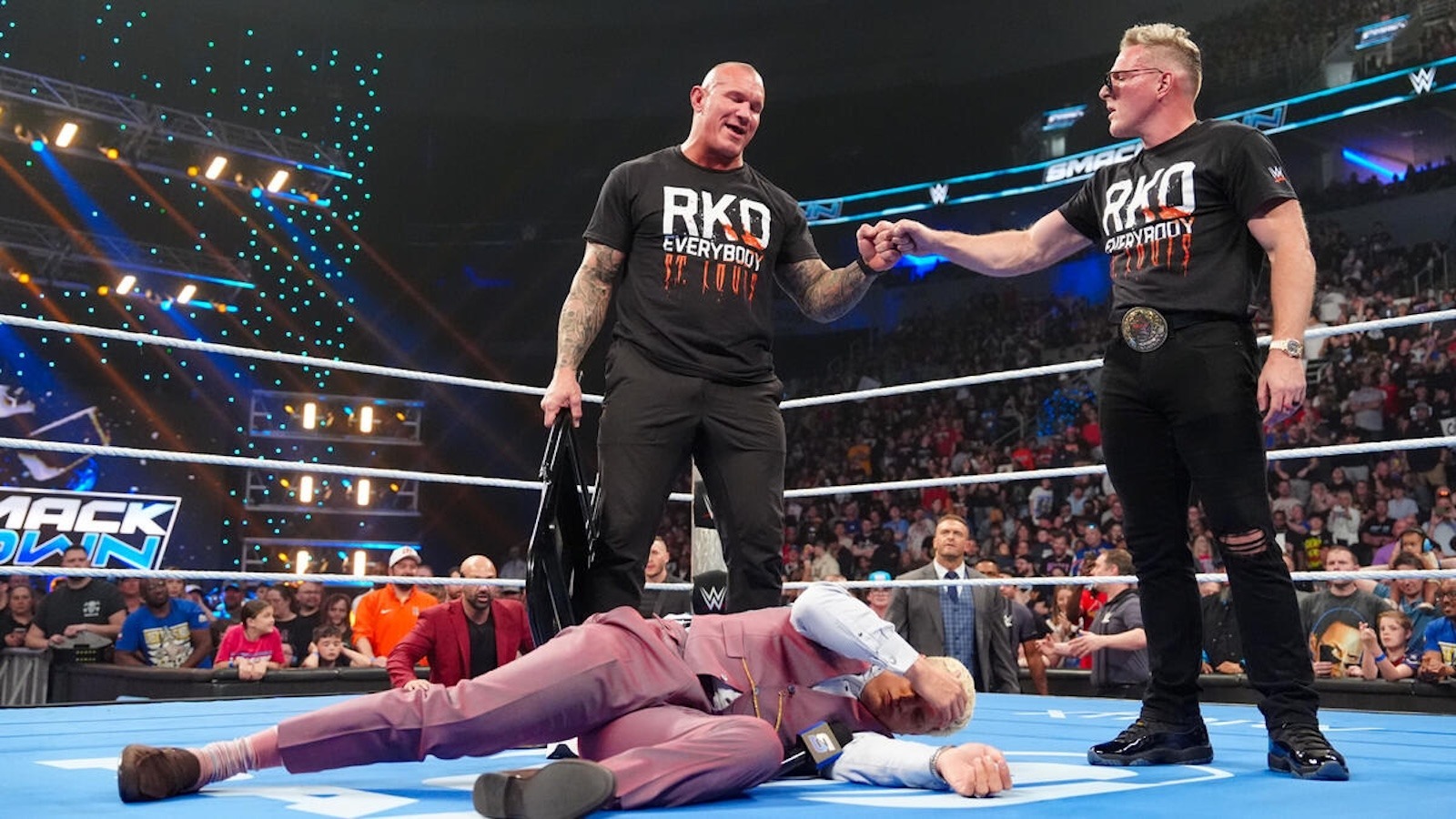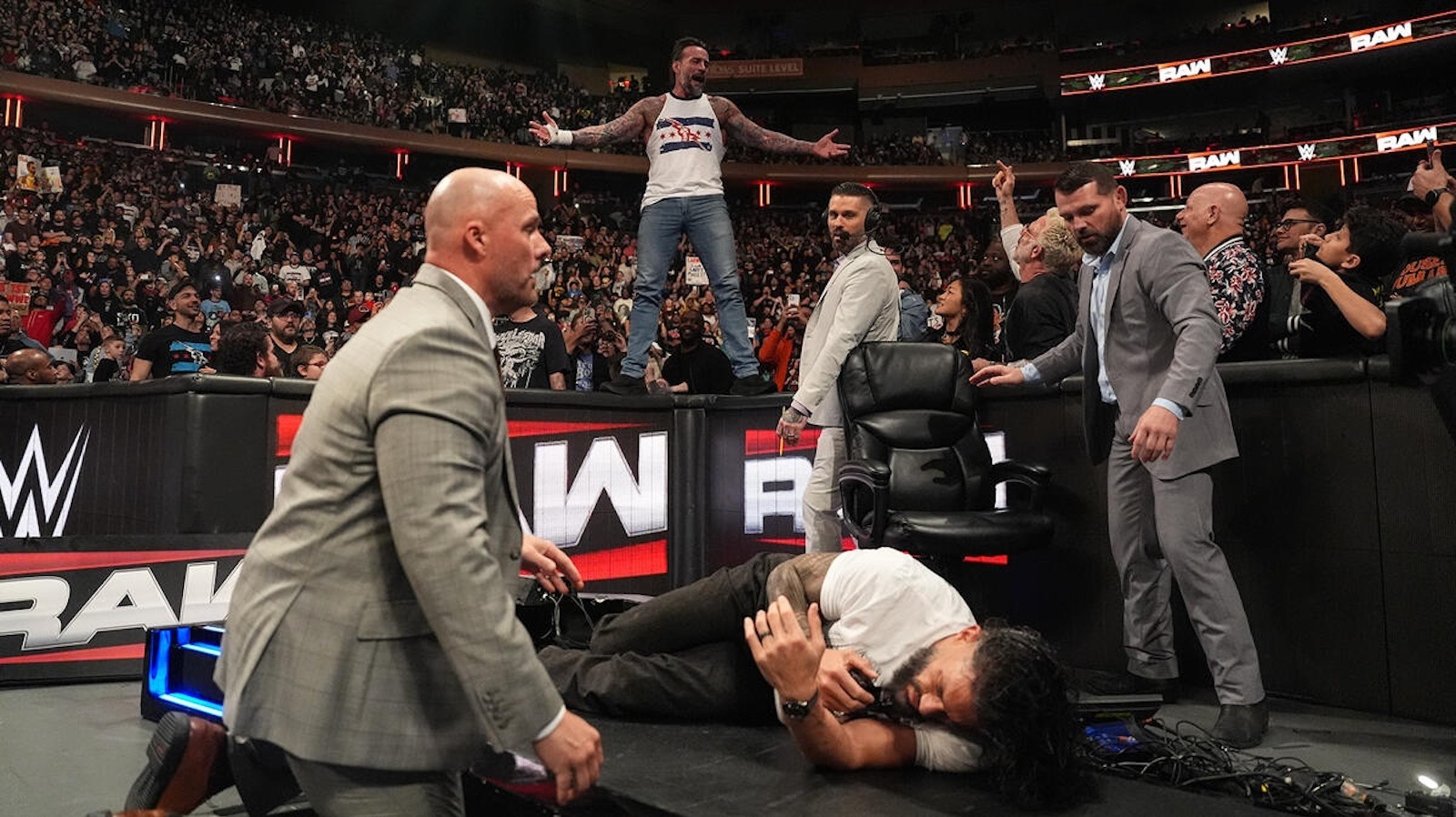
The SmackDown Mystery Segments
WWE has heavily stacked the March 27 episode of WWE SmackDown, and the biggest developments could come outside the matches. Two new segments have been added to the broadcast, as reported by Ringside News, instantly raising red flags for anyone tracking the physical status of the roster. When non-wrestling segments get bolted onto a live television format this close to a major stadium show, the medical team is usually involved. Either a massive angle needs breathing room, or a doctor has forced a late rewrite.
As a medical reporter covering the physical toll of professional wrestling, the weeks leading into April are the most volatile. The bumps accumulate, the travel schedule is punishing, and the margin for error shrinks to zero. Right now, there is no officially disclosed injury tied to these new segments. We do not have a confirmed name, a specific diagnosis, or an estimated return timeline. The active roster remains technically cleared.
But the sheer reality of the calendar dictates that someone in that locker room is working hurt, and the SmackDown additions might be the moment the bill comes due. The silence regarding the specifics only heightens the tension. The newly added segments might just be a standard verbal confrontation. But they could also be the dreaded moment a superstar walks out in street clothes to vacate a championship. Fans will be watching every move with a clinical eye on Friday night.
The Physiology of the WrestleMania Push
To understand why late March is a danger zone, look at the biomechanics of the current schedule. From the Royal Rumble in late January through the spring, the intensity in the ring ramps up aggressively. Wrestlers take heavier bumps to build momentum. The physical output increases while recovery time evaporates entirely. This is exactly when soft tissue injuries spike across the board.
Muscles are fatigued, tendons are overworked, and a simple misstep can lead to a structural failure. When a wrestler talks about working hurt, they mean joint inflammation, minor sprains, or bone bruises. The medical staff manages these issues with ice, tape, and anti-inflammatories. There is a massive difference between working hurt and working injured.
A structural tear cannot be taped up. A concussion cannot be ignored by anyone. The protocols have tightened significantly over the last decade, and the doctors will pull a performer regardless of their spot on the card. The era of wrestling through a broken neck or a torn muscle belly is largely over. The medical department holds the final veto power.
With WrestleMania 41 in Las Vegas looming on April 19 and 20, any significant trauma suffered now is an automatic disqualification for the biggest show of the year. A Grade 2 hamstring strain requires four to six weeks of recovery. A severe high ankle sprain takes a minimum of a month. If you get hurt tonight, your WrestleMania is officially over.
The Most Feared Injuries in the Spring
When analyzing the types of injuries that derail a campaign, lower body joint trauma tops the list. The mechanics of running the ropes and landing from top rope maneuvers put an immense strain on the knees. A slight over-rotation during a suplex can create a shearing force that tears a ligament instantly. These injuries are catastrophic because they eliminate a wrestler's base.
Upper body injuries are equally devastating. The pressing, lifting, and catching involved in a standard match requires absolute structural integrity in the shoulder girdle. If a pectoral muscle tears, the wrestler loses the ability to safely protect themselves. The rehabilitation stretches into the six-to-nine-month range, wiping out the entire summer calendar.
Then there is the ever-present threat of neck trauma. Professional wrestling is a sport of drops and impacts. The cervical spine absorbs a tremendous amount of shock. A stinger might sideline a wrestler for a few days. But a herniated disc pressing against the spinal cord is a career-threatening crisis. The medical staff conducts rigorous neurological screening, and a slight hesitation on a bump is all it takes to trigger an evaluation.
Tactical Implications for the Booking Committee
The history of WWE is littered with late-stage injuries. The physical demands of the sport do not care about a storyline. When a ligament snaps, the creative plans go in the trash. The impact on roster depth and match card planning is immediate and severe. If one of these SmackDown segments is indeed an injury announcement, the tactical implications for the booking committee are massive.
How do you replace a marquee talent with less than a month to go? You have to pivot to a backup plan. This is where roster depth is truly tested. A deep locker room can absorb a blow, but a top-heavy card collapses if a main eventer goes down.
Consider the adjustments required if someone like Cody Rhodes or Roman Reigns suffered a training injury this week. The writers have to scramble to build heat in a fraction of the usual time. This reveals a glaring flaw in WWE's current approach. The strict adherence to medical science is a positive development, but the booking committee often waits far too long to finalize backup plans.
WWE's over-reliance on a handful of top stars means that when an injury does happen, the creative drop-off is steep. The writers rarely have a secondary protagonist ready to step into a main event slot without it feeling like a massive downgrade.
If a tag team member gets hurt, an entire division is thrown into chaos. The ripple effects touch every segment of the broadcast. The next man up mentality is required, but it is incredibly difficult to execute when the fans have already invested months of emotion into a specific feud.
Looking Ahead to Allegiant Stadium
As we march toward April 19 and 20 at Allegiant Stadium, the primary goal for the roster is survival. The entire wrestling industry is feeling the strain this week, including the AEW roster heading into the Dynasty pay-per-view on March 30. The heavy lifting is done. Now, it is about keeping the machine running just long enough to cross the finish line.
It is no longer a matter of a talent simply saying they feel fine. They must pass a battery of tests, including impact testing, range of motion assessments, and neurological evaluations. The doctors hold the absolute power to veto a match. If a wrestler suffers a head impact and exhibits even mild concussion symptoms, the protocol mandates immediate removal from the ring and a strict step-by-step return process.
The reality of professional wrestling is that the human body is not designed to absorb this level of punishment indefinitely. Whether the March 27 SmackDown brings an injury update or simply sets the stage for the final push, the medical reality remains the same. The athletes are pushing themselves to the absolute limit, and the medical team is working overtime to hold everything together.
We will monitor the broadcast closely for any official medical updates. Until then, the roster holds its breath, hoping the injury bug stays away for just a few more weeks. The road to Las Vegas is treacherous, and making it there in one piece is half the battle.
Read Next
- Charlotte Flair has a WrestleMania 41 problem, and WWE is ignoring it
- Why The Rock's Disney honor rules out a WrestleMania 41 return
- Paul Heyman just anointed Jordynne Grace as wrestling's next major star
- Andrade's recent comments just poured gasoline on his WrestleMania match
- 🏆 WrestleMania 41 — Full Coverage Hub