The Road to WrestleMania Hits a Pothole
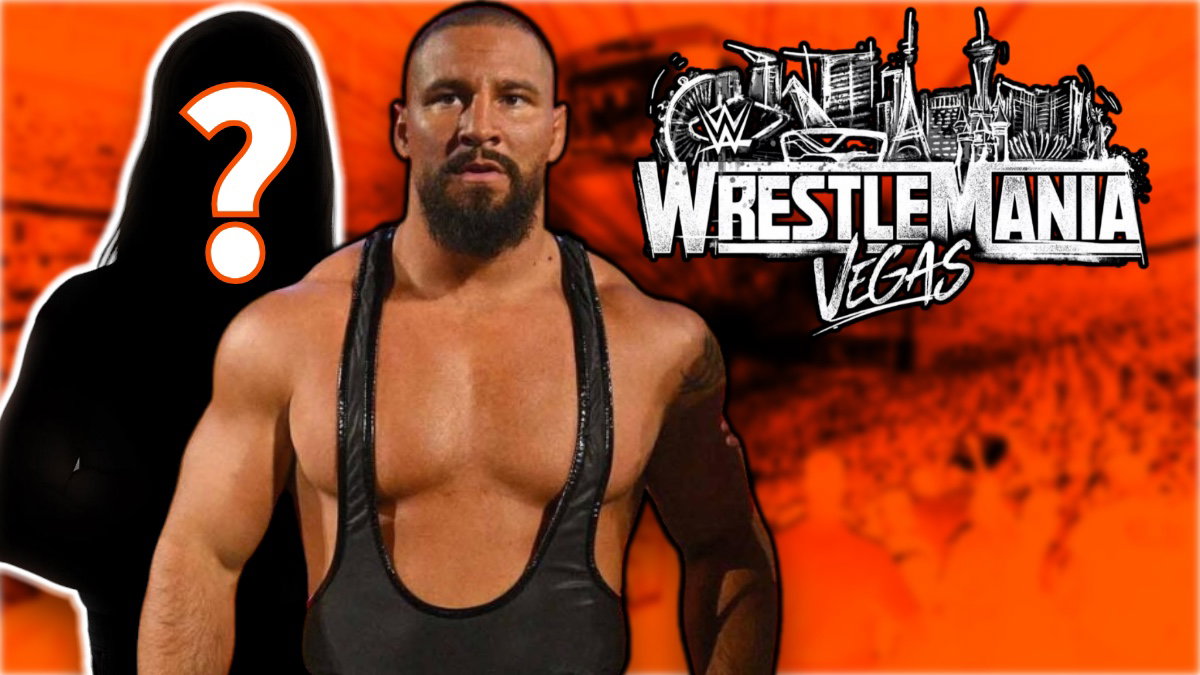
WrestleMania 41 is less than three weeks away, but the medical ward at the WWE Performance Center is becoming overcrowded. The company faces a series of logistical headaches that could compromise the final card for Philadelphia. The promotion has been quiet regarding specific recovery timelines for several high-level talents, leaving fans to monitor training footage for clues.
Injury management is always a precarious balancing act in the spring. With the two-night spectacle at Lincoln Financial Field fast approaching, any missed time now directly impacts ticket sales and streaming engagement. The physical toll of the house show circuit combined with the intense rehearsal for major PLEs remains a risk factor that creative teams struggle to mitigate effectively.
Historical Context of WrestleMania Injuries
History repeats itself in professional wrestling with frustrating predictability. We have seen main event plans derailed by late-cycle injuries for decades, ranging from Daniel Bryan in 2014 to Seth Rollins dropping the World Heavyweight Championship in 2015. When a top name goes down in April, the ripple effect through the mid-card is often chaotic and unrefined.
Management typically leans on veterans to bridge these gaps, but relying on part-timers often stifles the potential of newer talent. The current situation requires clear communication from the front office to avoid fan backlash. If the main events undergo last-minute swaps, the trust built throughout the calendar year risks erosion.
Strategic Implications for the Card
The absence of featured stars forces the creative team to abandon long-term booking strategies. We see this often with filler segments designed to buy time for injured performers to clear physical testing. It is a mediocre solution to a deep-seated problem of over-exposure.
Adding weight to these concerns are the complexities of internal brand expansion as recent industry filings suggest WWE is shifting focus toward protecting their historical intellectual property, potentially as a safety net for future events. This defensive business posture hints that the company recognizes how vulnerable they are when their top-tier athletes are unable to compete.
A Critical View of Booking Reliance
Reliance on older stars to fill gaps created by injuries is a short-sighted strategy. When an active roster member sustains a setback, the immediate pivot to a nostalgia act is becoming a tired routine. This cycle prevents the solidification of the next generation of main event talent.
The company needs a more robust approach to conditioning. Scheduling athletes for non-televised appearances in the final month leading into the most important shows of the year is medically questionable. While the demand for live interaction is understood, the revenue loss from a shelved headliner far outweighs the ticket sales of a Tuesday night house show in a secondary market.
Looking Ahead to Philadelphia
The upcoming nights on April 19 and April 20 will dictate the trajectory for the remainder of 2026. If the current roster remains healthy, the show stands a chance of meeting the lofty expectations set by recent record-breaking audiences. Any further attrition will force the production to lean heavily on the return of auxiliary stars or abbreviated match times.
We remain in a waiting game. The medical staff at the Performance Center has consistently proven they can expedite recovery processes, yet the nature of professional wrestling requires total physical readiness. Pushing an athlete who is not 100% prepared to perform at the highest level is a gamble the company usually refuses to take, but the pressure to deliver a blockbuster show is significantly higher this year.