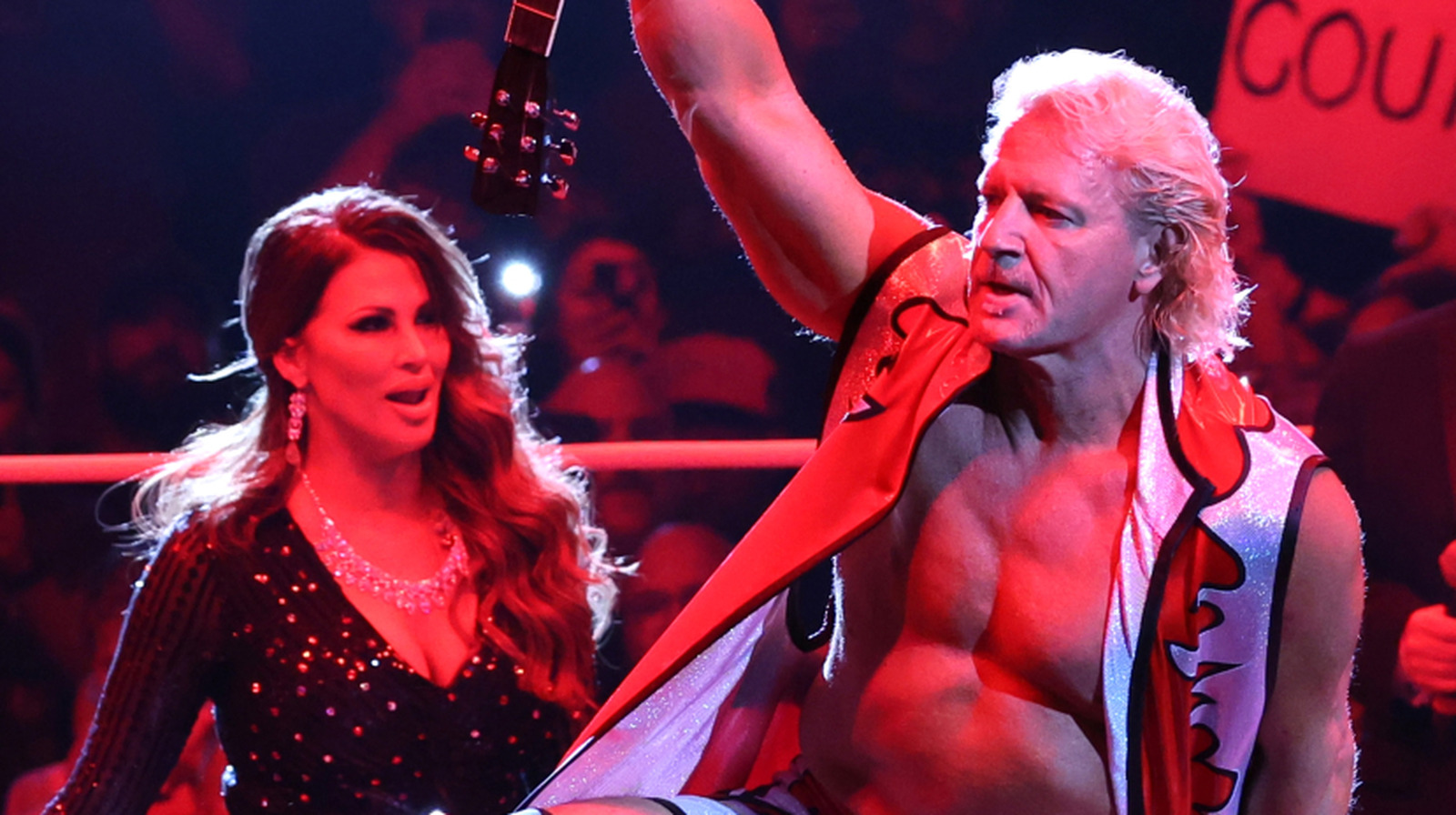
Why we can't look away from wrestling's most uncomfortable memories
The threshold of discomfort in sports entertainment
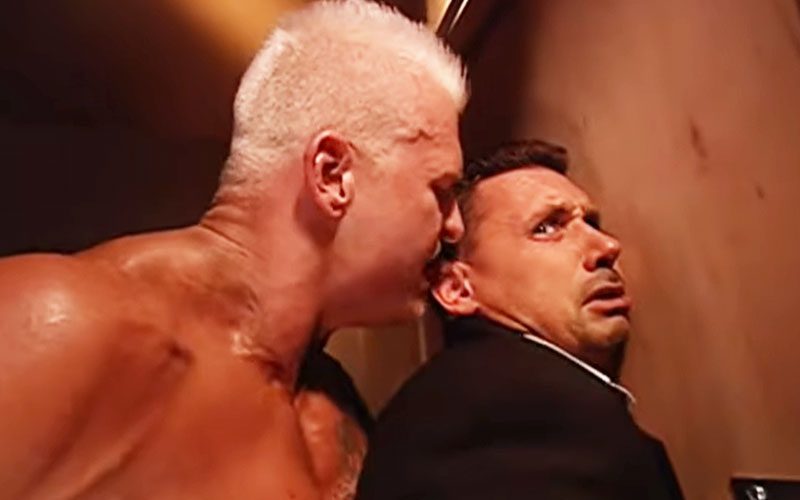
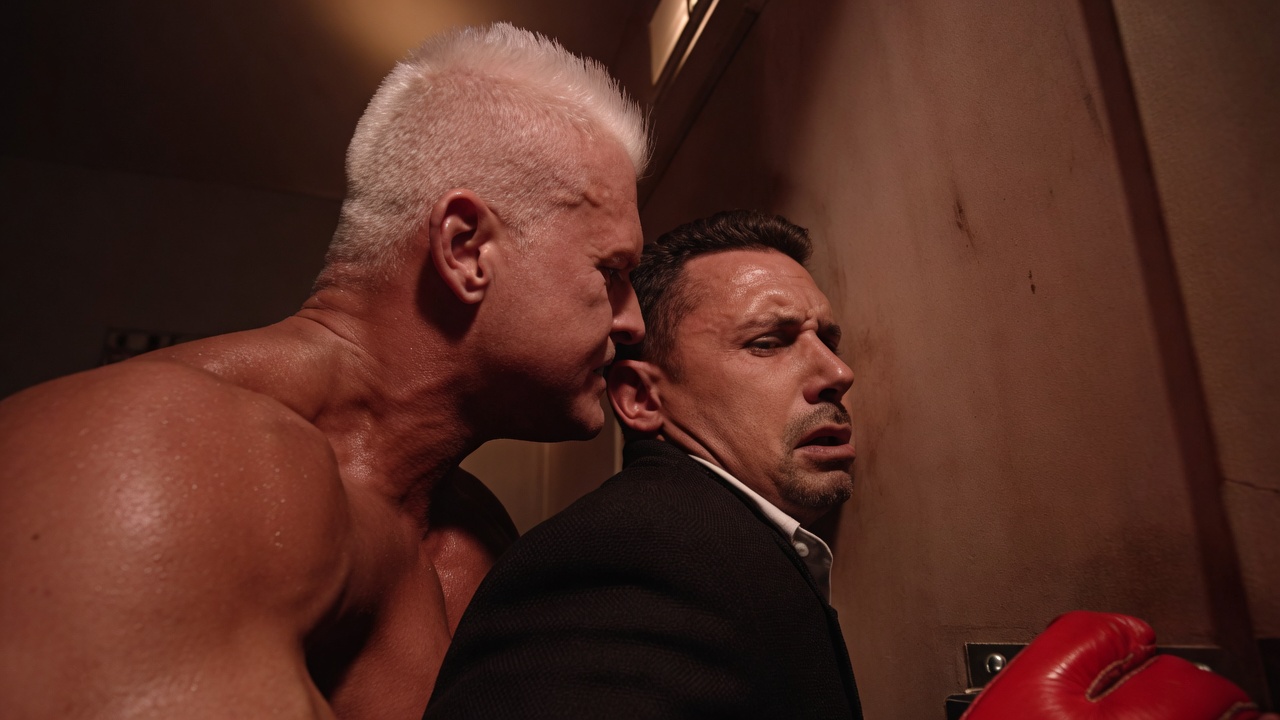
Heidenreich recently conceded that his infamous televised segment with Michael Cole remains a point of contention for many observers. Speaking to Chris Van Vliet, the former performer noted he holds no regrets regarding the creative direction, even if the execution pushed the boundaries of standard broadcast norms. It is a bold stance, yet it ignores why this specific moment occupies such a dark corner of wrestling history.
We often discuss the golden moments, the clean technical sequences, and the flawless transitions between moves. But the segments that stick are rarely the ones that follow the rulebook. Wrestling thrives on the tension between reality and theater, and Heidenreich understood that fear is often the most effective tool in a performer’s kit.
Defining the line between heat and revulsion
The industry constantly teeters on the edge of what constitutes heel heat versus bad production. When we look back at the 2004 era, the segment stands out not for its tactical brilliance, but because it bypassed the standard tropes of professional wrestling entirely. It replaced the familiar structures of a promo—the call-out, the threat, the challenge—with a suffocating sense of intrusion.
As recent reporting confirms, the performer acknowledges the lingering weight of that specific night. Much of the fan base remains divided. Some view it as a necessary evil in the pursuit of building genuine antipathy toward an antagonist, while others see it as a failure of narrative restraint.
The issue here is the longevity of the trauma, both for the performer involved and the witness at home. Unlike a botched powerbomb or a missed count that simply ruins the flow of a match, character-breaking moments linger. They become a metric for how much a promoter can push an audience before they decide to turn the channel for good.
We have seen the industry pivot toward cleaner, more athletic presentation in the current era. Yet, the viral persistence of such clips makes me wonder if the temptation to shock remains a bedrock of the business. Even in a 2026 climate dominated by streaming metrics and sanitized presentation, we still find ourselves circling back to these ugly, unscripted-feeling moments.
It is difficult to justify them through a prism of quality. The segment provided no technical value that pushed the industry forward. Instead, it served as a brutal reminder that wrestling is at its most potent when it decides to stop being a sport and starts feeling like an invasion of personal space.
The refusal to apologize is perhaps the most interesting part of the current discourse. By standing by his work, Heidenreich inadvertently exposes the divide between the fans who want professional wrestling to be taken seriously and the forces inside the machine that prefer to keep the curtain held open by the darkest bits of theater imaginable.
Ultimately, it forces us to evaluate our own investment. If we claim to want higher production values and cohesive storylines, why do these visceral, illogical, and often embarrassing segments remain the most referenced? Perhaps the secret to the sport’s durability isn't just the athleticism, but the occasional willingness to plummet below the belt.
There is a lesson here for those curating the next generation of talent. You can spend millions on presentation and polish, but you cannot manufacture the raw, jagged edges of a moment that fans feel compelled to talk about twenty years later. That might be the most annoying truth in the business.
Performance, in its most naked form, requires a lack of shame. Whether that leads to a hall-of-fame career or a footnote in a legacy of discomfort, it forces everyone else to pay attention. The match result might be forgotten, but the feeling of being witness to something that should have been prohibited? That is a scar on the consciousness of the viewer.
I find it worth noting that the discourse around these moments hasn't evolved as much as the ring work has. We have moved from simple cloth-and-cord setups to modern, hyper-fast, high-flying displays of pure human capability. Yet, the thirst for the bizarre remains consistent, suggesting that beneath the surface, we haven't changed even a little bit.
The risk of these segments is high, easily leading to a 0 percent chance of long-term favor, yet they hold a 100 percent capture rate of the audience's attention for a moment. Whether that is worth the cost is a debate that will continue until the final bell rings on the industry itself.
Becky Lynch: The Man: Not Your Average Average Girl by Becky Lynch
An unfiltered, raw, and incredibly inspiring look inside the life of WWE's 'The
Frequently Asked Questions
What does Heidenreich think about his segment with Michael Cole?
Why is the Heidenreich vs. Michael Cole segment considered controversial?
How do fans generally react to the 2004 Heidenreich segment?
Why do uncomfortable wrestling moments linger in fan memory?
What is the conflict between shock value and modern wrestling?
More Coverage
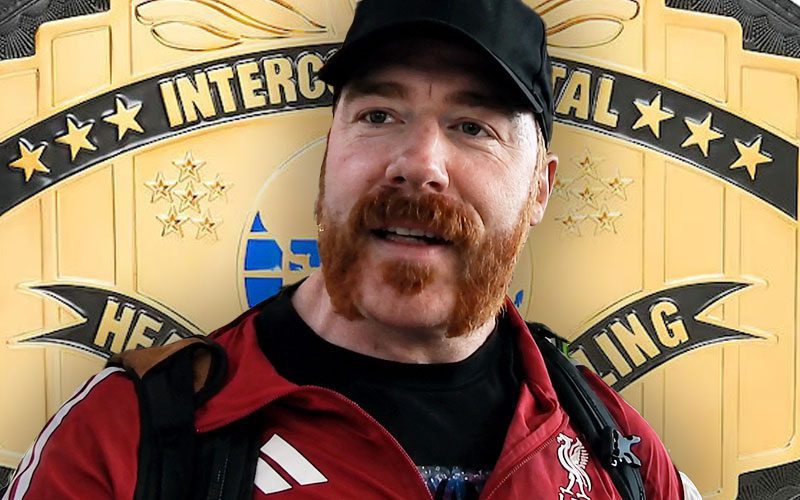
Sheamus isn't losing sleep over the IC title and fans are losing their minds
30 minutes ago
Why Sheamus missing the Intercontinental Title doesn't taint his legacy
30 minutes ago
Adam Pearce stacks RAW before SummerSlam with two massive late additions
30 minutes ago
Brooke Hogan fires back at critics with new promise for what comes next
31 minutes ago
Michael Cole is out here playing hitmaker with our nostalgia
42 minutes ago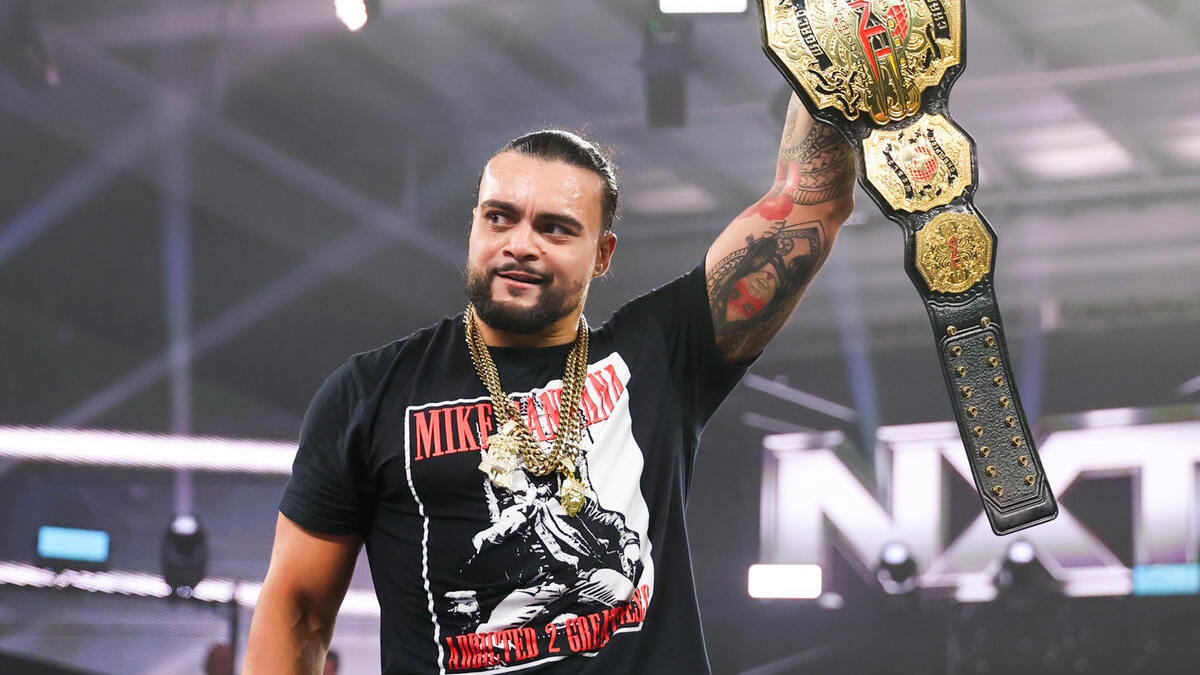
Mike Santana’s NXT arrival highlights WWE’s current developmental focus
42 minutes agoMore Analysis
Why we are still talking about the Heidenreich nightmare 20 years later
1 month, 1 week ago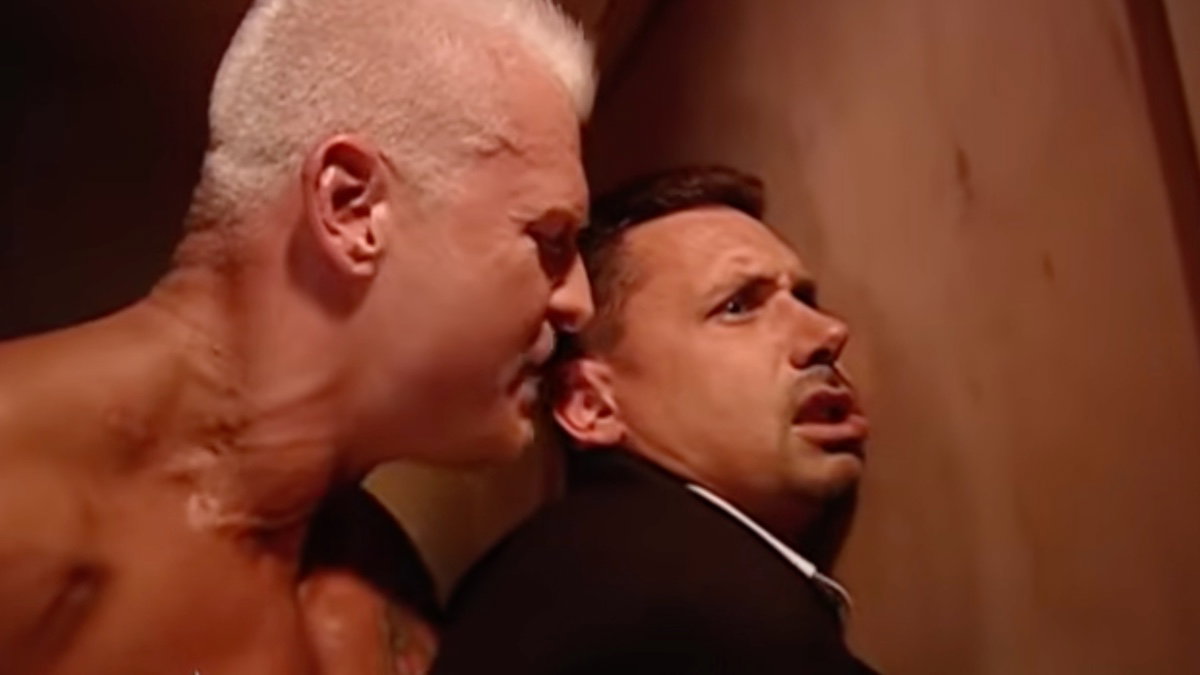
Heidenreich Revisits the Infamous Michael Cole SmackDown Assault
1 month, 2 weeks ago
The Heidenreich retrospective has wrestling Twitter losing its mind
1 month ago
Fans are completely losing their minds over Michael Cole's commentary regrets
3 months, 4 weeks ago
Michael Cole dropping secrets is the chaos we actually need
1 week, 3 days ago