The trauma session that refuses to die
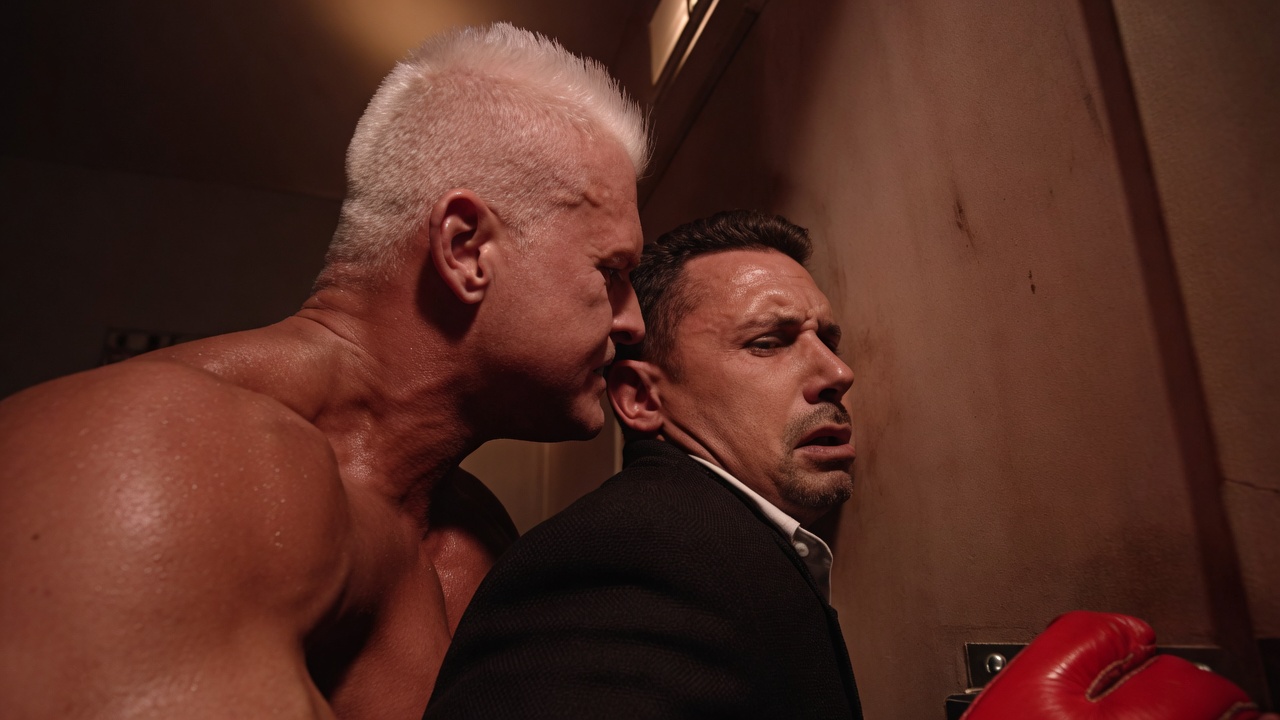
Every wrestling fan has that one segment that makes them physically recoil when they see it pop up on a YouTube autoplay list. Usually, it is a bad promo or a botched finish. But for folks who were glued to the screen in 2004, it is the Heidenreich and Michael Cole segment. If you blocked it out, consider yourself lucky. The rest of us are still processing the therapy bills.
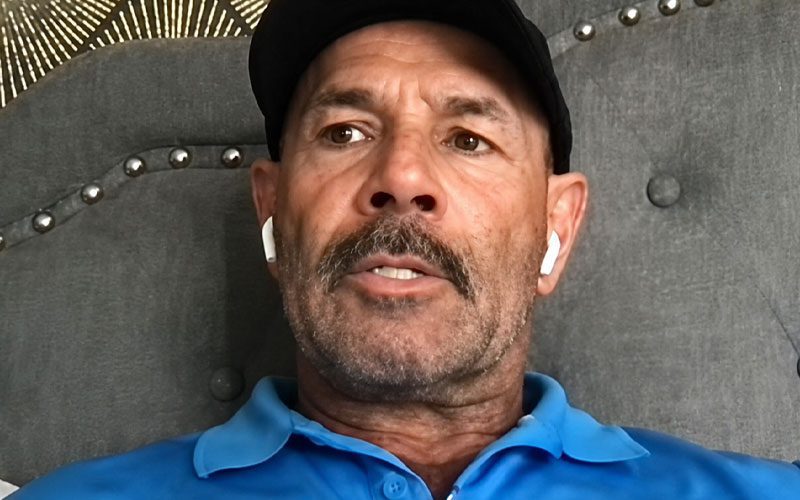
Jon Heidenreich finally broke his silence on the incident this week, two decades after the fact, and the community response has been... well, an absolute dumpster fire of opinions. It is the type of topic that reminds you that wrestling fans have the collective memory of an elephant and the moral outrage of a Victorian novelist. You cannot mention this bit of television history without immediate arguments breaking out in the comments sections.
The camp of total disbelief
Part of the fanbase is currently looking for the nearest bridge to jump off because they cannot fathom why we are discussing this again. The sentiment on the smaller forums is clear: some things should stay buried in the vault alongside the WBF and the XFL game footage. Why dig up the dirt on a segment that was universally despised even while it was airing?
You have the purists who insist that digging into the 'why' of a failed segment contributes nothing to the present. They argue that spending even five minutes on this reflects the worst impulses of wrestling media—obsessing over the rot instead of celebrating the current product. It is a fair point, but they clearly underestimate the morbid curiosity that drives every discussion about the Ruthless Aggression era.
The historians versus the haters
Then you have the folks who think this retrospective is long overdue. They are the same people who break down 1998 Nitro segments like they are analyzing the Zapruder film. They argue that because we are finally hearing from the horse's mouth—Heidenreich himself—it provides a crucial piece of the puzzle regarding how toxic the booking room could get when they were left unsupervised for too long.
The criticism, however, remains sharp. People are rightfully pointing out that the segment was not just bad television; it was fundamentally uncomfortable and lacked the coherent storytelling we expect even from the most chaotic eras. Seeing it pop up on WrestlingNews.co this week reignited the argument that some ideas, specifically those involving assault, should have never left the scrap heap.
My take: Just leave this one alone
Here is where I plant my flag. If you enjoy the deep dives into backroom politics, I get it. But there is a line between 'interesting behind-the-scenes trivia' and 'letting a bad idea take up oxygen for another 20 years.' This segment was garbage in 2004 and it is garbage now. Heidenreich trying to explain the creative intent doesn't make it art—it just makes it a weird souvenir from a company that was frequently trying to shock people because they didn't know how to book a compelling mid-card feud.
The argument for the prosecution here is simple: it was fundamentally dehumanizing to everyone involved. You look at Michael Cole, who has since become one of the greatest callers in sports entertainment, and you realize he had to endure a segment that would have ended a lesser man's career. The fact that he came out the other side to commentate at a peak level is the only real victory here.
Let’s be honest, we all love to hate on bad booking, but this specific incident is a low-water mark that never needed a post-game analysis. It doesn't explain the state of wrestling in 2026. It doesn't provide insight into how the current management team functions. It is just a black hole of awfulness that sucks the life out of every room it enters.
If you want to look at the past, look at the stuff that matters. Maybe reconsider the impact of the 2005 draft or the rise of late-stage SmackDown, but stop handing the microphone to the people who produced this disaster. My gut says that some things were ignored for two decades for a very good reason. We don't need a documentary series on every bad decision Vince McMahon ever made, specifically the ones that make us want to throw our TV remote and go for a long walk in the woods.
In the scale of 1 to 10, the relevance of this interview is a 2. Watching the community argue about it is a 9. If you enjoyed the segment when it was new, seek help. If you enjoyed hearing the explanation, I hope you enjoyed your trip down memory lane, even if the destination was a swamp filled with expired creative ideas.