The creative hand behind the skull paint
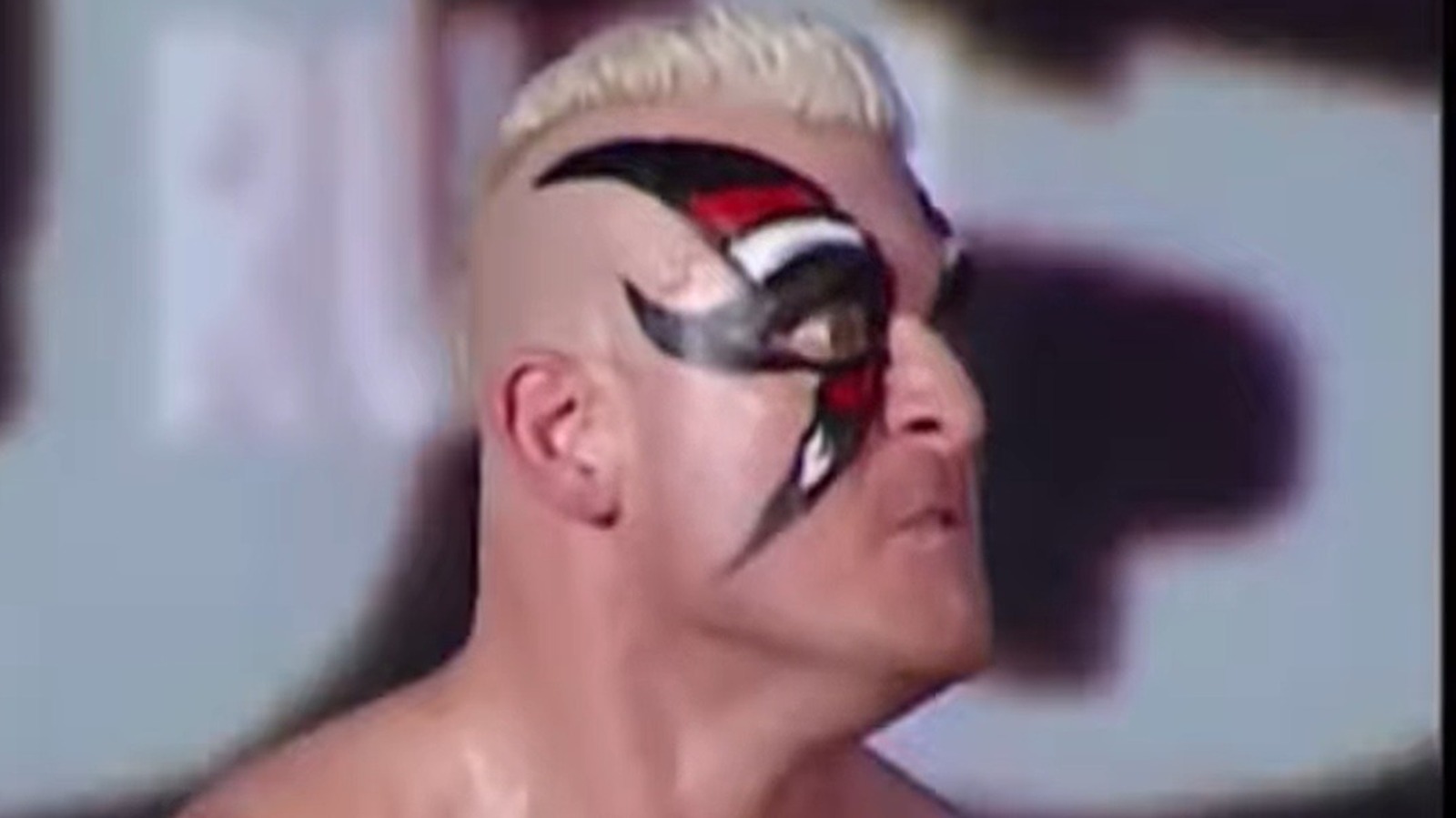
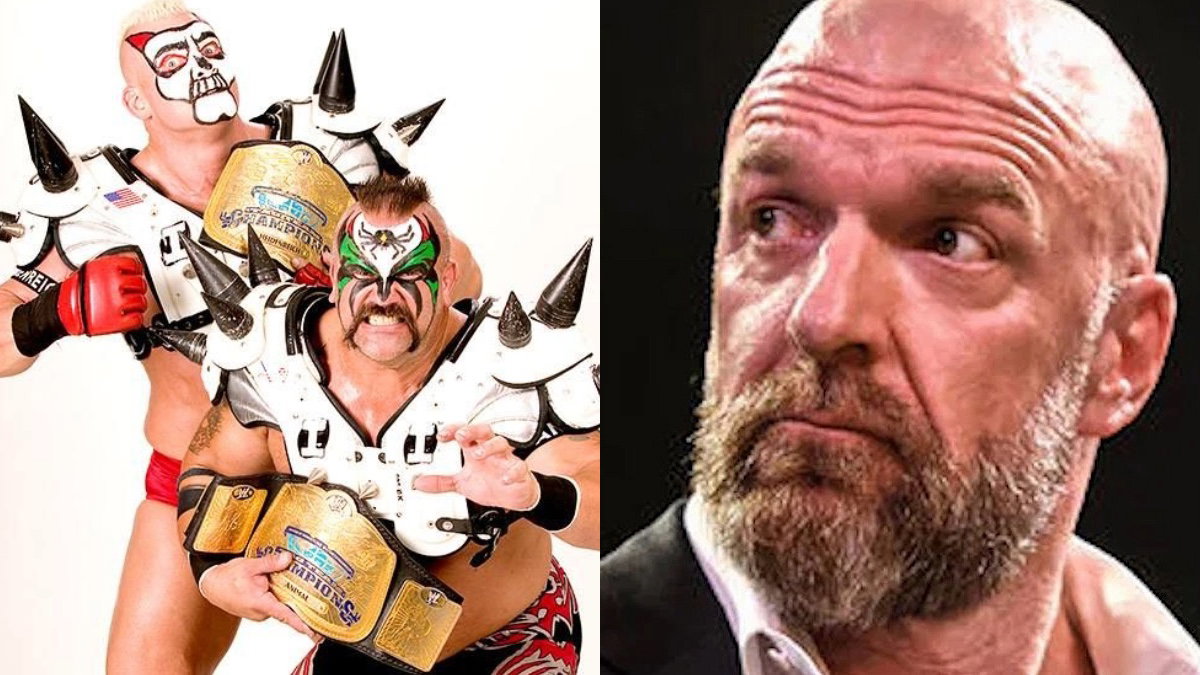
Heidenreich has finally pulled back the curtain on one of the stranger visuals of the mid-2000s tag team scene. The former WWE Tag Team Champion confirmed that Triple H was the driving force behind the skull-themed face paint he adopted while tagging with Road Warrior Animal.
The gimmick was intended to invoke the legacy of the original Legion of Doom. It was a high-pressure spot for a performer thrust into a legendary vacancy. Triple H took an active interest in the aesthetics, ensuring the presentation aligned with the company’s vision at the time.
We had to go ask The Undertaker. Triple H said, 'Go ask Taker.' I went and asked Taker, and he said, 'Yeah.'
Stepping into a shadow
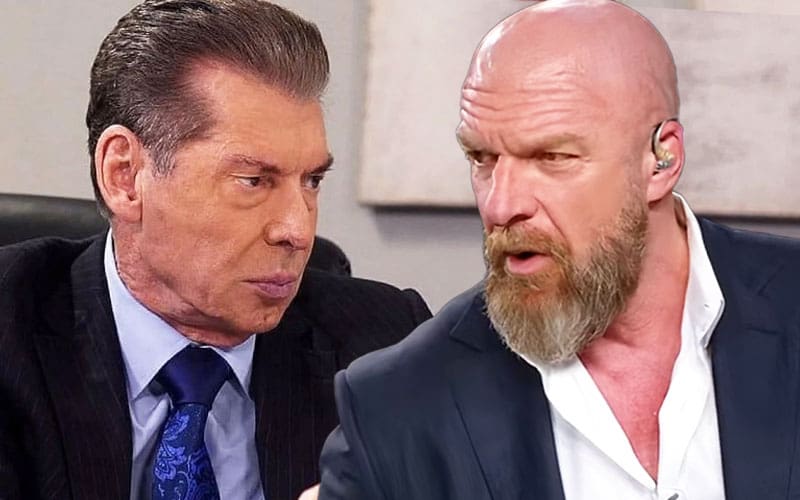
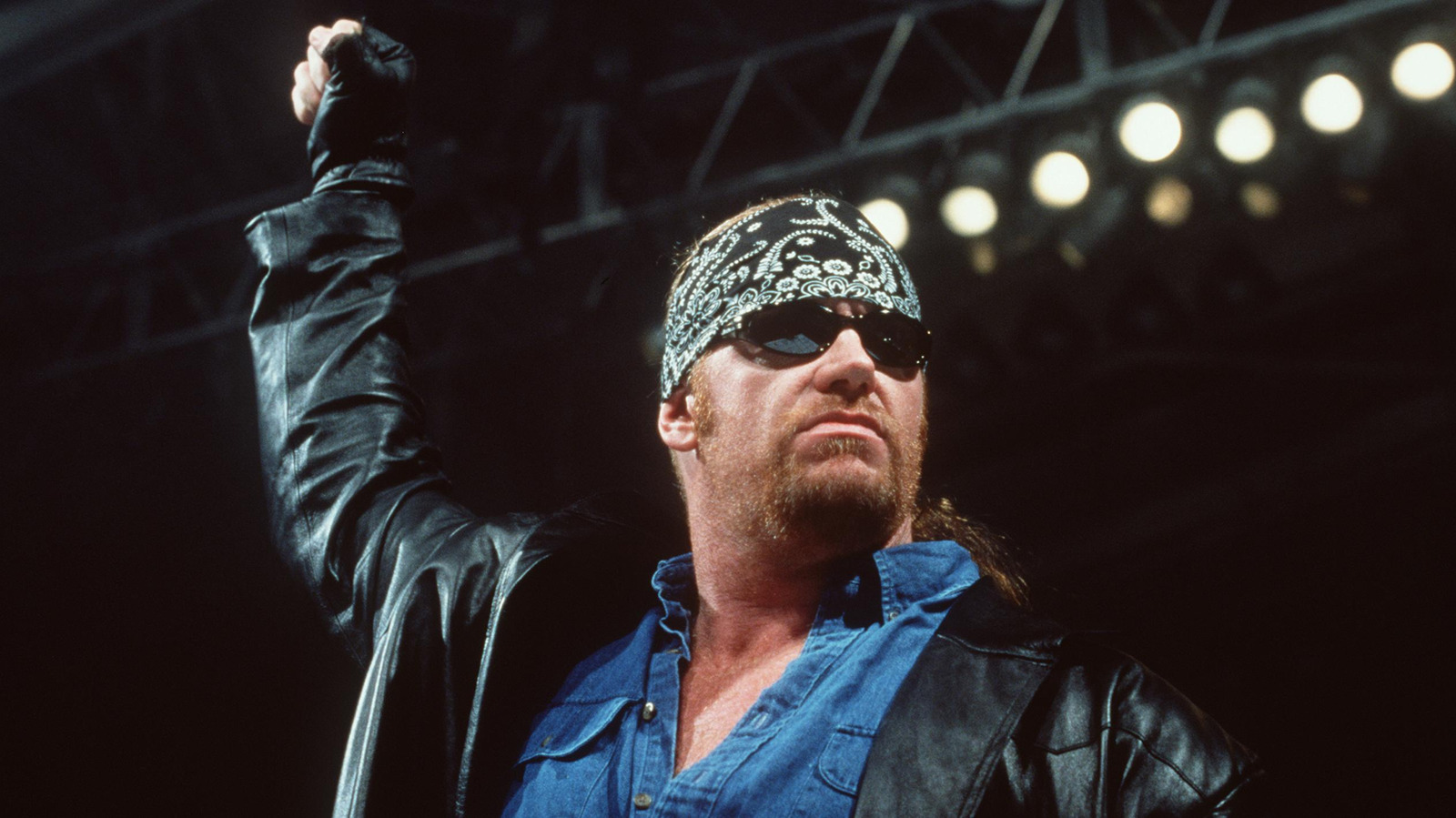
Triple H directed Heidenreich to seek approval from The Undertaker before settling on the design. This move speaks to the unwritten rules of talent management in the company during that period. Undertaker served as the standard-bearer for the locker room, and getting his blessing felt less like a request and more like a necessary protocol for gimmicks involving darker themes.
Heidenreich’s run with Animal remains a point of contention among long-term fans. The pairing forced two performers with disparate styles into a tribute act that rarely captured the kinetic energy of the original Legion of Doom. While management pushed hard to make the unit work, the reliance on face paint was a desperate attempt to bridge a creative gap that had already widened beyond repair.
This anecdote illuminates the hierarchy of the 2000s era. Triple H’s direct involvement highlights how involved the top stars were in sculpting mid-card talent. By deferring to Undertaker, he also signaled that the veterans retained final say on anything that might disturb the perceived "sanctity" of established character tropes on the roster.
Critical friction with the legacy
The decision to put Heidenreich in that paint was a booking mistake that hampered his momentum. It pigeonholed him into a role that invited constant comparison to Hawk, who was an impossible act to follow. The fans knew it, and the talent knew it.
If you look at recent reports on the backstage dynamics of that era, the pressure on Heidenreich to "play the part" was immense. Forcing a performer to adopt the literal face of his predecessor is a recipe for a cold reaction. No amount of skull paint could fix the chemistry mismatch or the logic behind reforming a team that relied on a specific, irreplaceable dynamic.
The fact that Triple H managed the creative process shows his hand as a future executive early on. He wasn't just working the match; he was managing the visual branding. However, this level of micromanagement eventually proved to be a double-edged sword. When creative doesn't match the in-ring output, the result is exactly what we saw: a mid-card experiment that fizzled out by the time the calendar turned.
Looking back, the interaction highlights how much the locker room operated on deference. Asking permission for face paint sounds archaic in 2026, but back then, it was the only way to avoid stepping on the wrong toes. It is a stark reminder of how far the business has moved toward individual agency in just twenty years.
Ultimately, the skull paint remains a footnote in the history of the company. It wasn't the career-defining move Triple H likely envisioned for the team. It was a cosmetic patch on a booking decision that struggled to gain traction from day one. Fans remember the Road Warriors for their intensity, not for who wore their hand-me-down gimmicks in the mid-2000s.