The missing jewel in the Celtic Warrior's crown
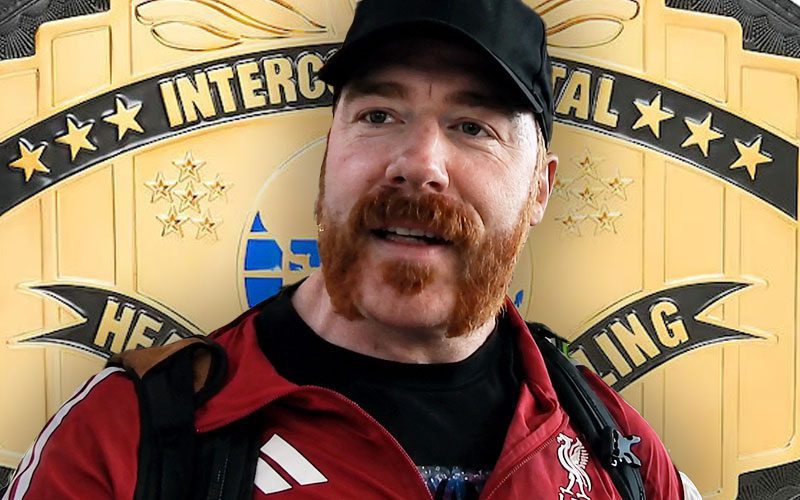
Sheamus recently sat down with Adam's Apple and shut down any narrative that his career carries an asterisk. When asked if never lifting the Intercontinental Championship leaves him with lingering regret, the Irishman dismissed the idea outright.
“I've had an amazing career, fella. No regrets. I mean it—no regrets.”
That statement might sound like standard veteran PR on the surface, but a glance at his nearly two-decade run reveals why he feels no need to chase validation. He won the WWE Championship within six months of his main roster debut, stack-pinned prime contenders, and collected United States titles, tag team gold, a Royal Rumble, Money in the Bank, and King of the Ring. The Intercontinental Championship was simply the final puzzle piece for Grand Slam status—a credential that matters far more to graphic designers than to a man who rebuilt his physical identity in his late 30s.
The Gunther trilogy and the illusion of the Grand Slam
The obsession over Sheamus winning the Intercontinental title wasn't born out of career sympathy. It was forged in Cardiff at Clash at the Castle, where he and Gunther dropped a five-star physical masterclass that earned a standing ovation from 60,000 fans. That 19-minute war saw Sheamus absorb 47 stiff chops to the chest before falling to a brutal lariat. It wasn't about completing a checklist; it was about two heavyweights beating each other senseless for a belt that suddenly felt like the most important prize in the sport.
Subsequent attempts against Bron Breakker and secondary title scrambles proved that WWE creative loved using Sheamus's pursuit as a reliable ratings hook. Yet, as Ringside News reported, Sheamus remains unbothered by the empty slot in his trophy cabinet. Booking a veteran to constantly chase a title solely for a statistical milestone often reeks of lazy booking, and Sheamus was smart enough to recognize when the chase outgrew the prize.
Tactical longevity over cheap milestones
Watch a Sheamus match from 2012 compared to his work in 2026. The mobility shifts are stark, but his ring psychology has hardened into masterclass territory. He stopped relying on explosive pump kicks every five minutes and shifted to high-impact walloping, dragging opponents into the ropes for ten beats of the Bodhran to control the match tempo. He transformed himself from a push candidate into an undisputed ring general who elevates every midcard prospect sent his way.
If there is one critique of his late-career run, it's that WWE creative occasionally treated his Grand Slam quest like a narrative crutch when they ran out of fresh feuds. Dragging him out for three separate title shots over eighteen months without a payoff felt like telegraphed storytelling that undercut his momentum. But inside the ropes, the performance level never dipped below acceptable standards.
The verdict on the Celtic Warrior's legacy
Wrestling fans love neat boxes and complete lists, but grand slam stats are ultimately administrative trivia. Sheamus does not need a belt to justify his position on the card or his eventual Hall of Fame induction. He created a distinct, bruising style that defined WWE's midcard and main event physical baseline for over fifteen years.
My prediction? Sheamus will end his career without ever wrapping the Intercontinental title around his waist, and his legacy will be all the better for it. He'll be remembered as the man who brought genuine physicality back to WWE television when the product was dangerously soft, not as a wrestler who fell one belt short of a trivia answer.