The strategic shift for Mike Santana
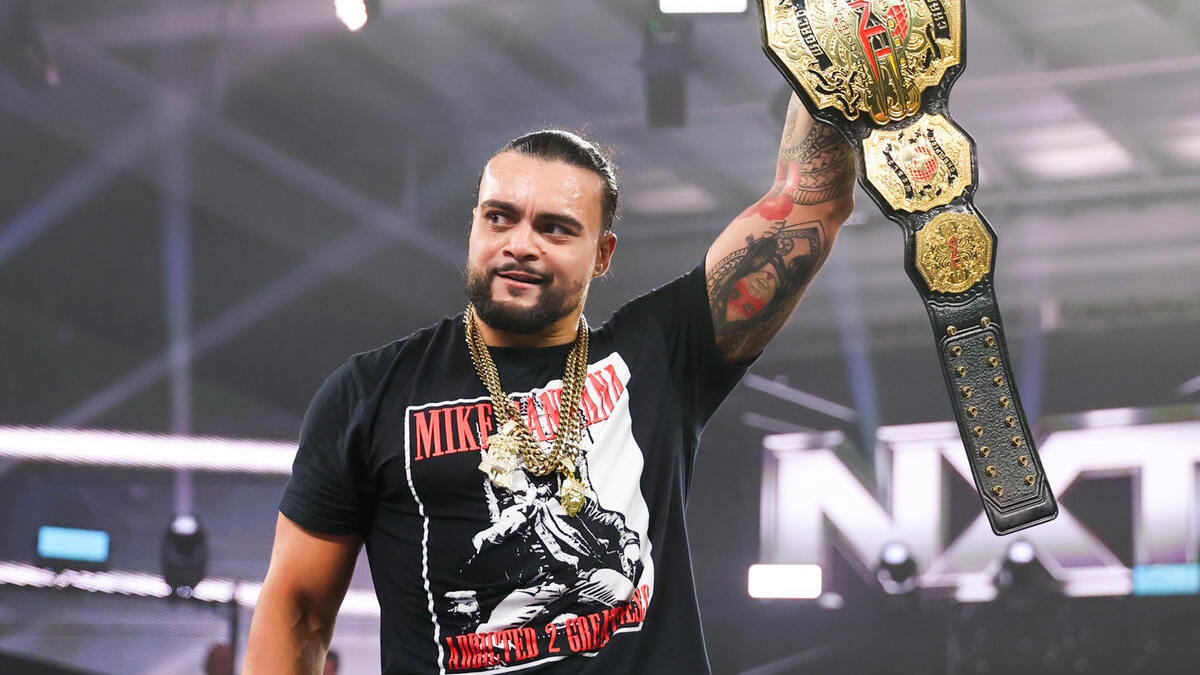
Mike Santana’s trajectory has shifted toward the WWE performance center. Following an extensive stint as a standout tag team performer on the independent scene and various high-profile televised promotions, the industry veteran is now being positioned for an NXT run. Matt Hardy recently addressed this transition, noting that NXT provides the necessary structural environment for Santana to properly recalibrate his presentation for the modern WWE audience.
Hardy’s assessment is that the developmental brand offers a unique platform for established stars to refine their presentation. Rather than throwing talent directly into the primary roster shuffle, NXT allows for audience familiarization in a controlled environment. According to recent reporting on Hardy's comments, the veteran sees this as the optimal path for Santana to establish a singles identity.
The Bron Breakker factor in talent development
The broader strategy for talent acquisition remains tied to the aggressive push for new-generation stars like Bron Breakker. Triple H has faced scrutiny regarding his decision to intentionally move Breakker away from the shadow of the Steiner family name. JBL has notably defended this approach, arguing that carving out a distinct persona is vital for long-term viability.
Hardy echoes the sentiment that modern booking requires decisiveness. In his view, backing a featured prospect requires total commitment from creative. As outlined in his recent analysis, once a decision has been made to elevate a specific individual, management must commit fully without hesitation. The push of Breakker, who remains one of the most prominent pieces in the current developmental puzzle, serves as the primary case study for this philosophy.
Historical context and the veteran connection
Generational shifts in the industry were on display as recently as yesterday. Matt Hardy, Jeff Hardy, and Michael Hayes reunited at The Gathering VII in Charlotte on the 25th of July, 2026. They recreated a photograph from roughly 27 years earlier, bridging the gap between eras. This reunion serves as a reminder that institutional knowledge remains a critical asset in navigating the current booking climate.
The contrast between these veterans and current developmental stars is significant. While talent like Santana look to secure relevance, prospects like Breakker are being handled with a degree of caution that would have been unheard of two decades ago. The decision to strip away legacy names is a calculated gamble on personality-driven branding over established lineage.
Critical observations on the developmental bottleneck
Despite the optimism surrounding new signings, the current system faces a bottleneck. WWE’s roster depth has reached a saturation point where talented performers are often left without a clear path to televised programming. Relying on NXT to "recalibrate" every incoming signing can become a repetitive cycle that stalls momentum for those needing immediate exposure.
There is also a risk in the heavy-handed sanitization of legacy talent. While the intent is to build individual recognition, stripping away recognizable traits can alienate legacy fans who provide the initial engagement for new talent. The industry must balance the need for new branding with the reality that familiarity is a massive driver of early-stage success.
The road ahead
The coming months will demonstrate whether the "developmental reset" for veterans like Santana pays off or if the brand becomes overcrowded. The pressure remains on creative to justify these signings alongside the existing developmental roster. Success likely hinges on how well the promotion integrates these pieces without burying the talent they are already currently trying to build.