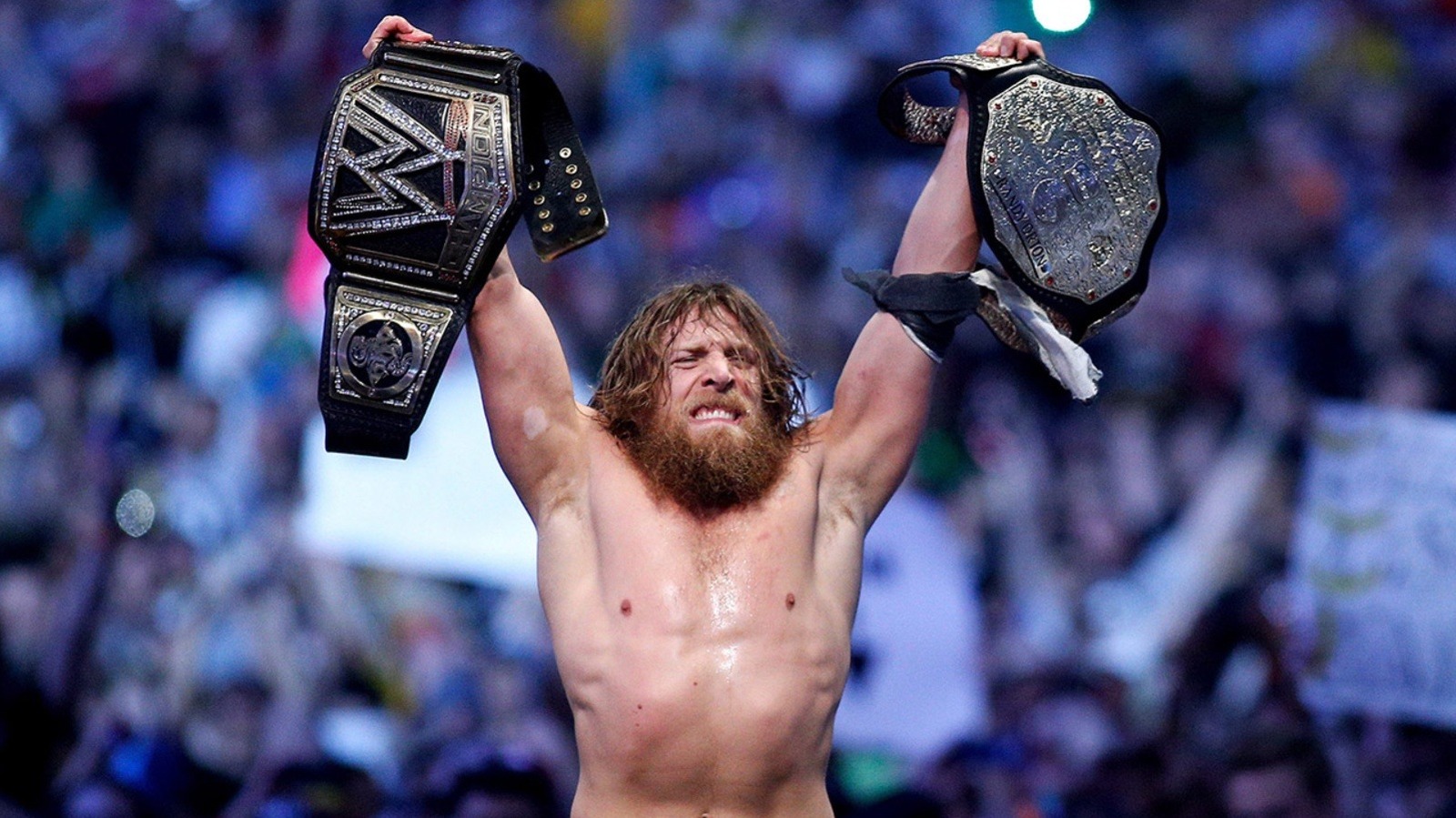
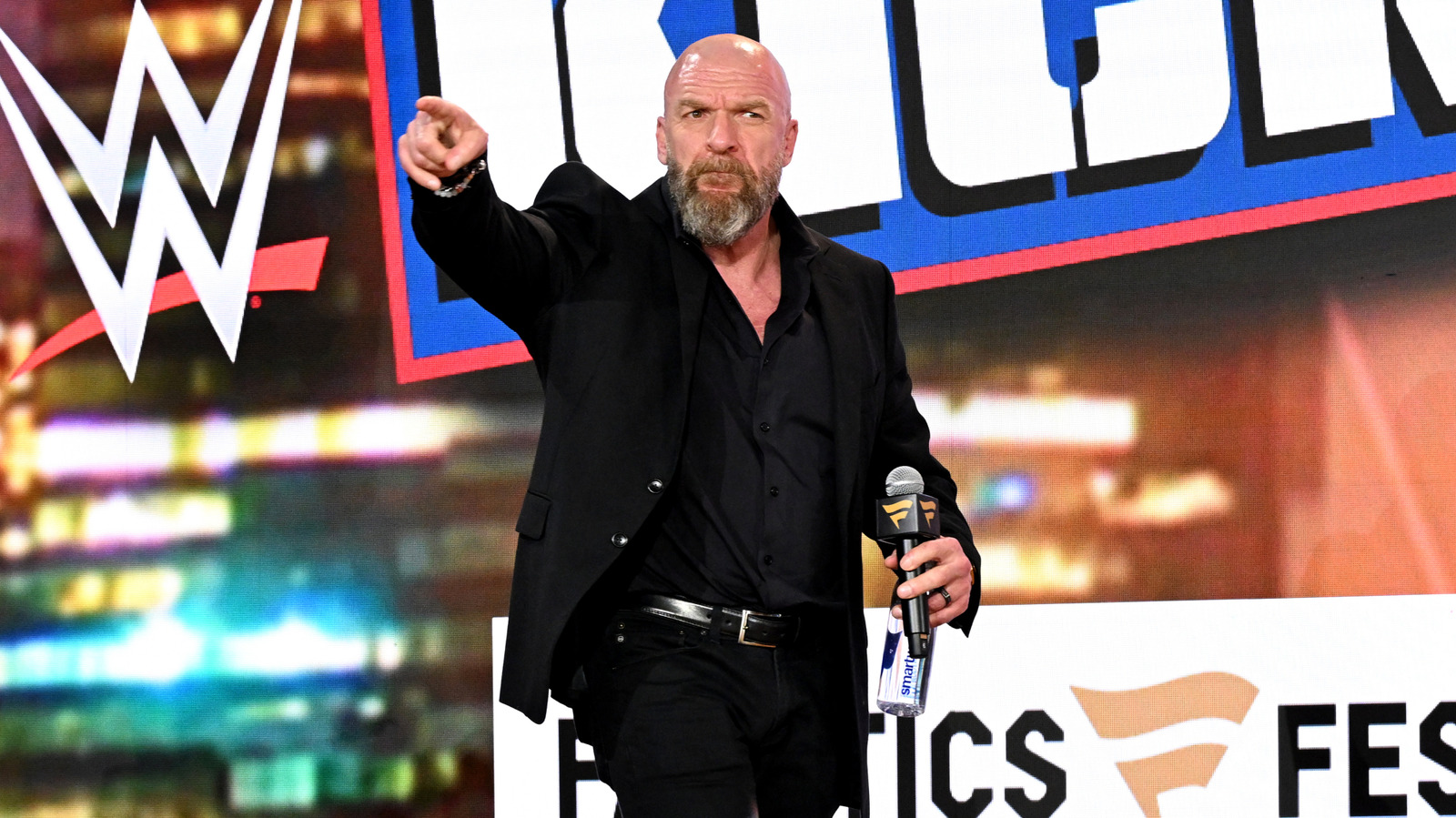
The familiar cycle of legacy matchups
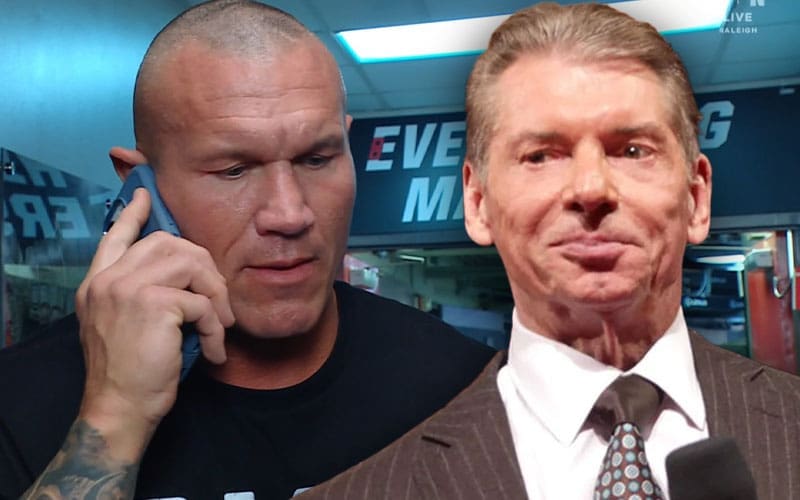
Professional wrestling often returns to the well of established history when it needs to stabilize a broadcast. The latest reports regarding a featured HHH versus Randy Orton clash fits this pattern perfectly. It is a pairing that relies on the institutional memory of the audience rather than current momentum.
We are watching a strategy that prioritizes names over recent arc progression. While these two have provided high-level moments in previous decades, running this program again signals a lack of confidence in the mid-card elevation. Tactical wrestling relies on stakes, and unless there is a specific shift in their hierarchy, this feels like an exhibition match masquerading as a main event.
Missing the evolution of the roster
The reliance on these veterans creates a bottleneck. If the creative direction constantly circles back to the Evolution-era stalwarts, the rising talent has nowhere to land. We have seen these specific dynamics play out for years, often ending in similar sequences of RKO counters and power-bomb attempts that feel disconnected from the speed of the current roster.
Technical proficiency is not the concern, as both men possess the ability to pace a match effectively. The issue is the opportunity cost. Every minute allocated to this encounter is a minute lost for a younger performer looking to break into the main event sphere. The upcoming Raw television tapings should function as a showcase for the future, yet we find the focus drifting toward the past.
The math of the Monday night grind
Managing the three-hour airtime of Raw requires a delicate balance of pacing. The recent rating figures across the industry underscore a viewer fatigue that occurs when programs rely too heavily on nostalgia pops. Wrestling is a sport that needs to move forward to justify its existence in an increasingly crowded media market.
My statistical breakdown of historical matches between these rivals shows a reliance on a high-strike count in the final five minutes to mask a slow opening act. If the match duration drags past the 18-minute mark, the diminishing returns in crowd attention become obvious on the monitors. Fans want to see new configurations, not variations of a theme we saw in 2004.
Final tactical assessment
Booking this match is a safe administrative choice that ignores the fatigue of the base. It is a decision that favors comfort over creativity. While the performance will likely be professional, it will lack the urgency required to hold a modern audience for a full three-hour block.
My prediction is a clean finish that leads to a temporary alliance rather than a definitive shift in the status quo. It is a holding pattern in the form of a match. Expect a technical contest, but do not look for any genuine long-term narrative advancement.