A brush with catastrophe in the mountains
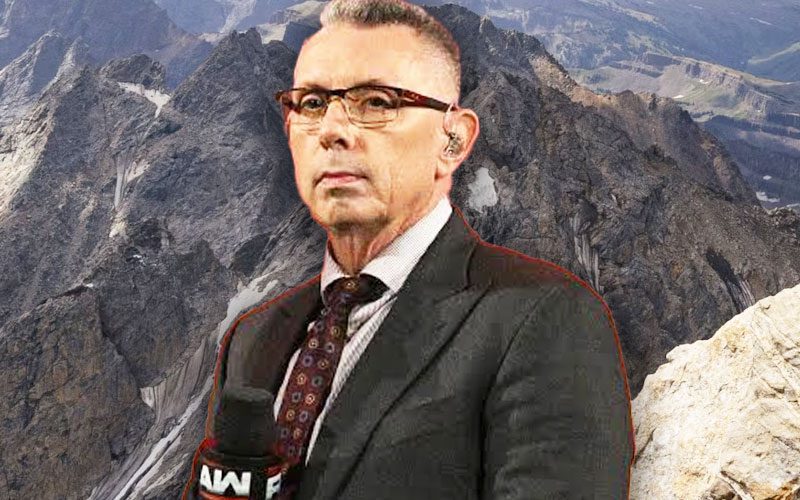
The play-by-play booth is a safe distance from the ring, but for Michael Cole, the most dangerous moment of his life occurred thousands of feet above sea level. The veteran commentator, who has anchored WWE broadcasts for decades, confirmed he survived a harrowing rock climbing accident that nearly resulted in a 2,000-foot plunge.
Technical gear saved his life when human error and environmental factors aligned to create a lethal situation. Cole described the incident as a near-death experience, with safety systems functioning at their absolute limit to prevent a total catastrophe. He survived by inches, a stark reminder that even the most meticulous planning can succumb to the unpredictability of the mountains.
The professional toll of the near-miss
While Cole remains active on commentary duty, the psychological and physical strain of such an event warrants attention in the wrestling industry. Commentators carry a heavy load, managing the technical flow of a three-hour broadcast while navigating corporate mandates and live-event volatility. As WrestlingNews reported, Cole cites his time spent on the road with legends like JBL and Ron Simmons as the foundation for his longevity. That era required a grit that translates into his current endurance.
History provides few examples of broadcast talent facing such acute life-threatening emergencies outside of the ring. Most injuries in this business involve performers suffering physical trauma during high-impact sequences like a top-rope powerbomb or a botched ladder spot. When a non-performer suffers injury, the ripple effects on production schedules can be massive given the tight-knit nature of the broadcast team.
Strategic risks for the production booth
WWE relies on a thin margin of error regarding its broadcast talent depth. Cole is the current voice of the company, and any time lost due to recovery or psychological distress impacts the rhythm of the product. The absence of a lead announcer forces chaotic reshuffling of roles, often leading to inconsistency in tone and narrative delivery during flagship shows.
Critics often point to the heavy reliance on a single voice to carry the entire promotional weight of the organization. If the primary announcer is off the screen, the show suffers from a lack of familiar cadence. While PWInsider highlighted his recent retrospective contributions, the focus on his personal history serves as a reminder of how deep his influence runs. Losing that anchor point for any duration would leave a void that few could fill.
Reflecting on the fragility of the talent
This incident draws a line under the misconception that non-wrestlers are separate from the physical risks inherent to the lifestyle. Constant travel and high-stress environments are only part of the equation. Outside interests that push physical boundaries introduce variables that management cannot control or mitigate.
The industry is lucky the outcome was a story told in reflection rather than a memorial service. Still, the reality remains that one slip on a rock face would have ended a career that has spanned the Attitude Era to the modern digital age. The reliance on extreme athletics in personal time is a noted trend among veterans who need a release from the rigid structure of 300 days on the road.
Management will likely monitor his status closely, though not for a return to the ring or the booth in any immediate sense. It serves as a reminder that safety is a constant concern regardless of the venue. The industry's reliance on individuals who constantly flirt with danger—whether on a mountain or in the ring—remains its most precarious feature.
Total lack of preventative communication from the organization regarding this scare is a notable oversight. While not a performance injury, acknowledging the peril of one's top-tier talent is a baseline expectation. Instead, the narrative has been left to surface via the talent himself rather than a formal health assessment, an odd gap in internal procedure.