The ghost of New Orleans
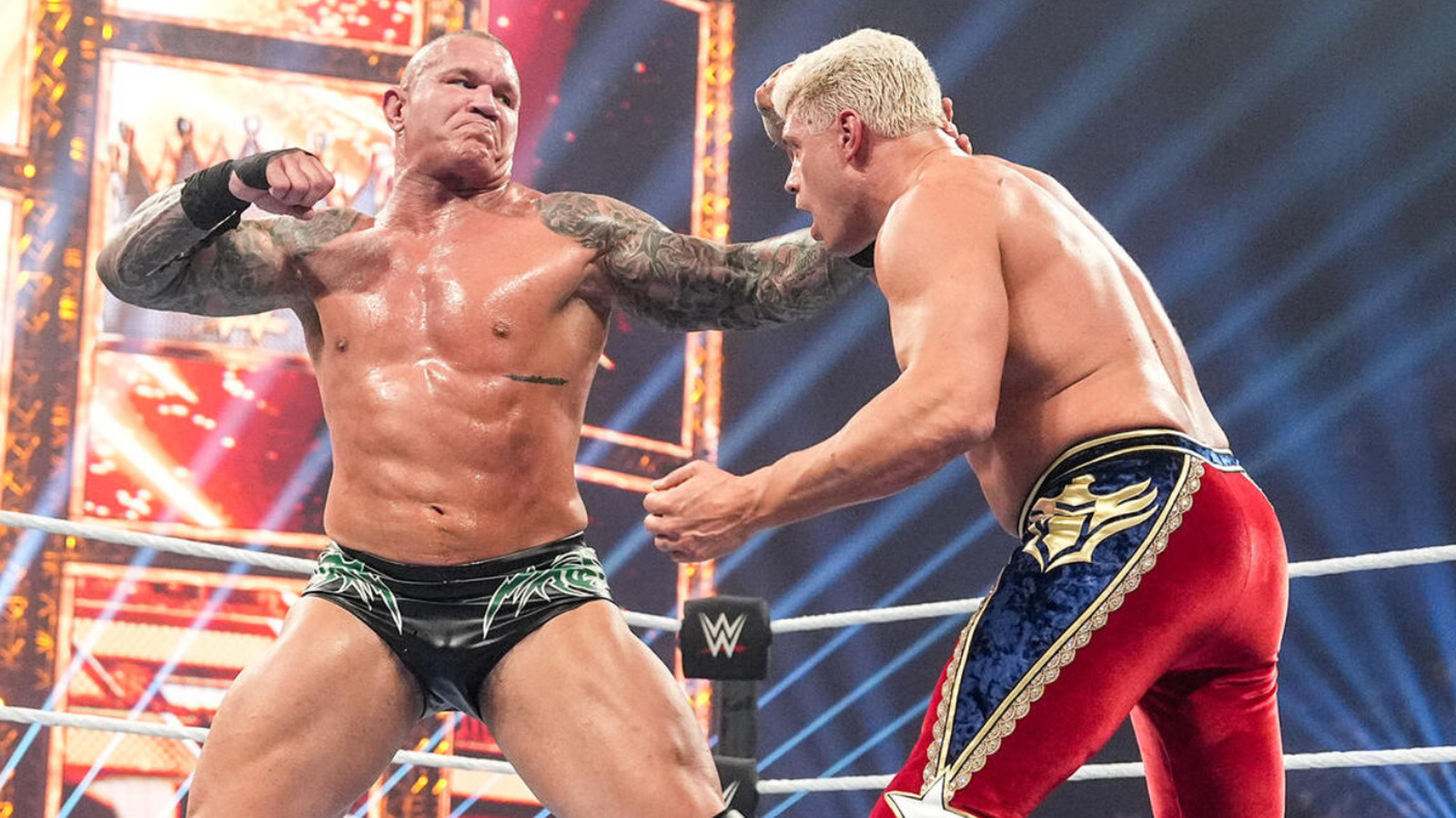
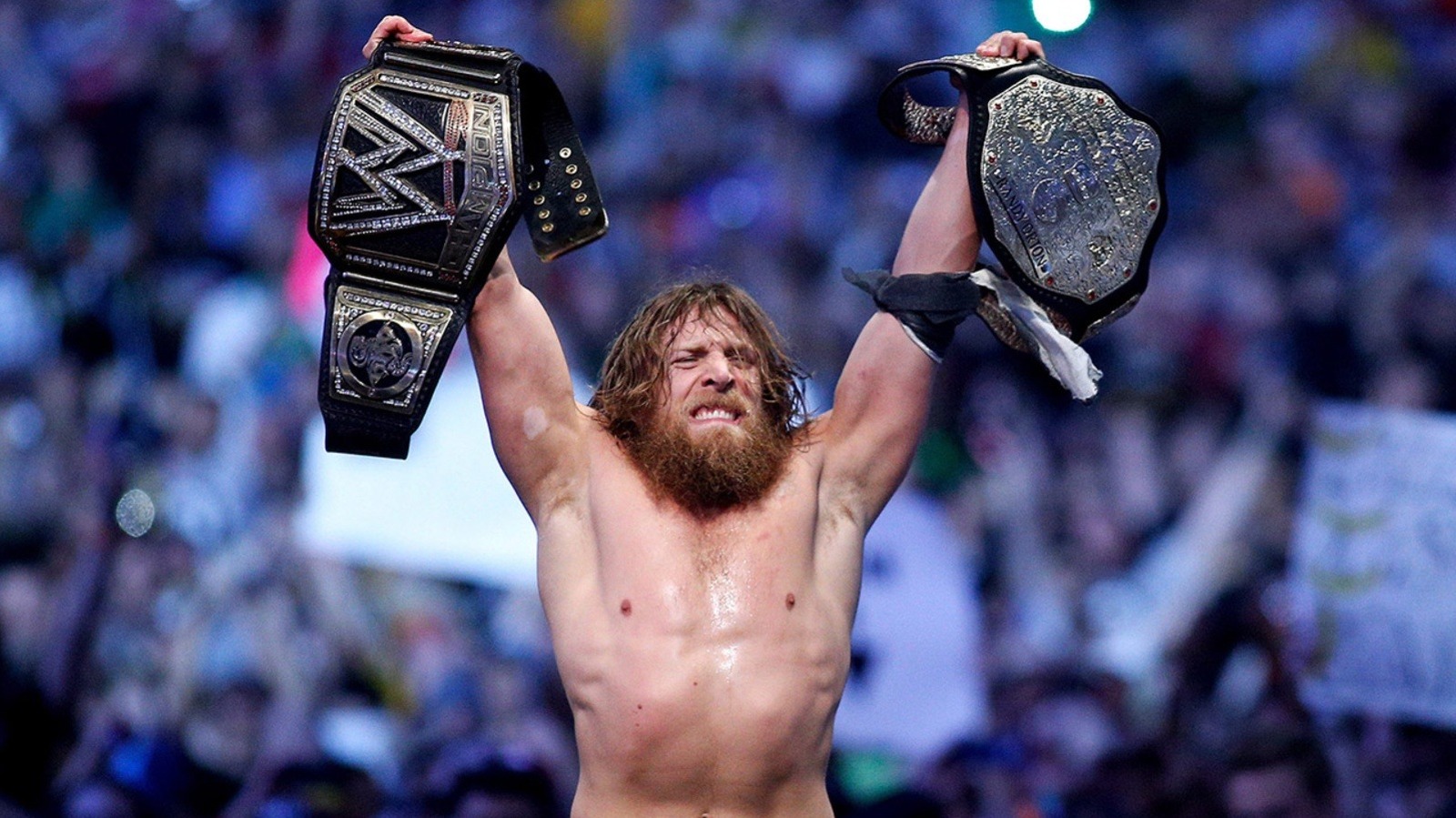
Randy Orton is heading back to the WrestleMania main event. It has been a decade since he last closed the biggest show of the year. That night in New Orleans at WrestleMania XXX is universally remembered as Daniel Bryan's crowning achievement. It was the night the Yes Movement hijacked the corporate machine.
But watch the match back without the emotional attachment to Bryan's underdog story. Watch what actually happens between the ropes. You will quickly realize that the entire structure of the triple threat only works because Orton is the smartest worker in the ring.
The build to the match was famously a disaster. Batista returned and won the Royal Rumble to a chorus of boos. Fans rejected the planned singles match. WWE was forced into a pivot. As Wrestling Inc noted in their retrospective, Orton was the reigning champion who suddenly found himself playing third wheel in his own title defense.
The mechanics of a triple threat
Triple threat matches are notoriously difficult to pace. The standard formula involves one wrestler taking a nap on the floor while the other two run their sequences. It is lazy.
Orton and Batista actively avoided that trap for the first ten minutes. They worked in tandem as the heavy heels, cutting the ring in half and physically isolating Bryan. Orton's timing was immaculate. When Bryan fired up with his signature kicks, Orton knew exactly when to feed in for the bumps.
He did not rush. He let the crowd breathe.
We have to talk about the stretcher angle, though. It was the match's biggest flaw. Around the midway point, Bryan took the legendary Batista Bomb into an RKO through the announce table. It remains one of the greatest visual spots in WrestleMania history. But WWE overbooked the aftermath.
Where the booking failed
They spent three full minutes loading Bryan onto a stretcher. The crowd went completely dead. Orton and Batista had to awkwardly stall in the ring, trading slow punches while the medical staff fumbled with neck braces.
It was a cheap emotional trick. Nobody believed Bryan was actually leaving the match. It broke the golden rule of pacing: never stop a moving train for a fake injury angle unless the payoff is immediate. It took a massive effort from Orton to drag the crowd back into the match by throwing Batista into the steel steps.
The art of the near-fall
When Bryan finally rolled off the stretcher, the final sequence kicked in. This is where Orton's genius as a defensive wrestler shines. He took the Busaiku Knee perfectly, snapping his head back and collapsing like a sack of bricks.
The near-falls in the closing stretch were mathematically precise. Orton kicked out at exactly 2.9 seconds after the diving headbutt. He made you believe, just for a fraction of a second, that the bad guy was going to steal it. He didn't.
Batista tapped out to the Yes Lock. Orton didn't take the submission, protecting his status for the upcoming Evolution reunion. But he built the foundation of the match.
What it means for this year
Now he is back in the main event spot. He is older, slower, and dealing with a fused back. He cannot take table bumps like he did ten years ago. But his ring IQ has only sharpened.
He understands spacing. He knows how to manipulate a crowd without doing a single high spot. He will likely serve the exact same purpose he did in 2014: the tactical anchor. He is the guy who ensures the match doesn't fall apart when the chaos peaks.
I expect Orton to dictate the pace early. He will slow things down, grind the babyface into the mat, and set the table for the explosive finish. He might not walk out with the championship, but he will be the reason the match succeeds.