The Hall of Fame obsession
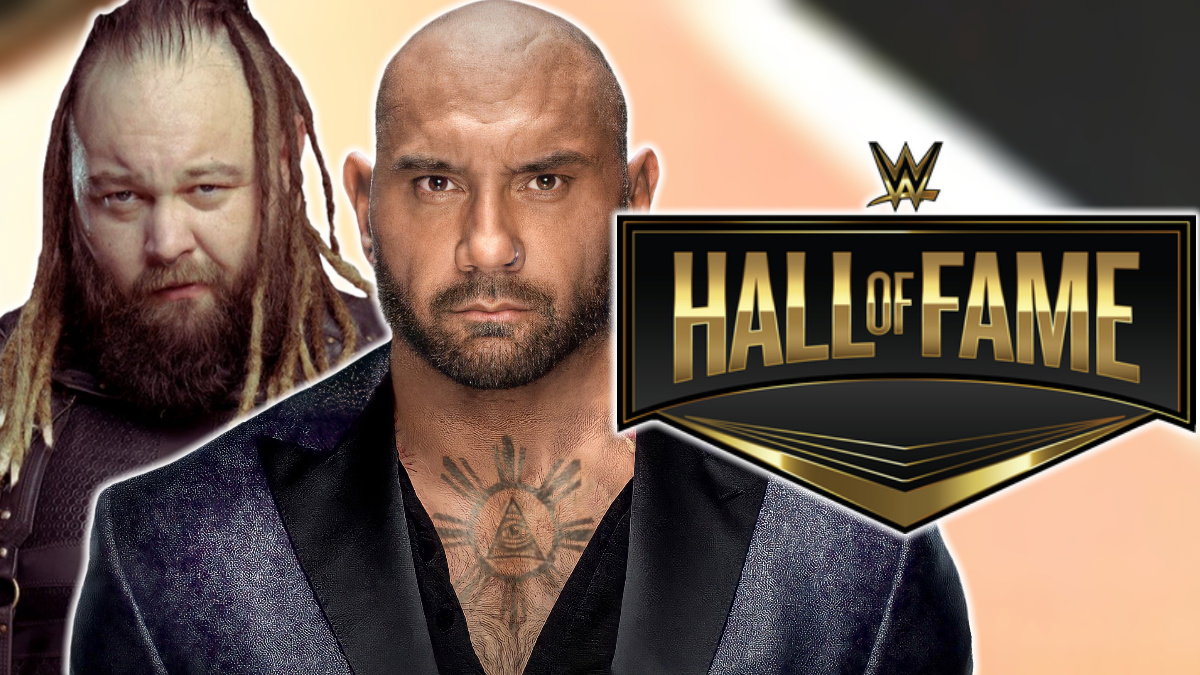
We are barely past mid-summer 2026, yet the discourse has already shifted toward the 2027 WWE Hall of Fame ceremony. It is a recurring symptom of a promotion that sells its past even more aggressively than its current product.
The current buzz for Fanatics Fest suggests that the company is aiming to align major legend appearances with the 2027 calendar year rather than focusing on the development of the existing roster. When promotions lean this heavily into legacy acts, the present-day stakes often feel secondary.
The shadow over the women's division
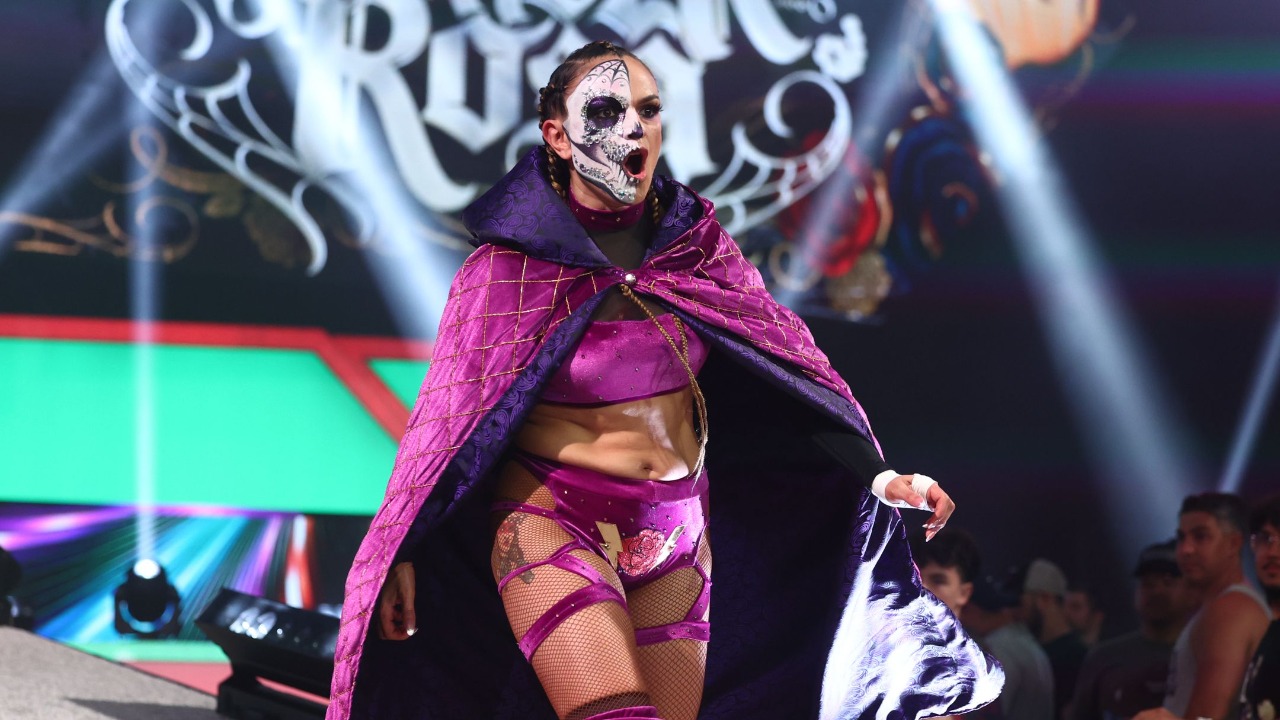
The women's division currently feels like a house with the foundation missing. Rhea Ripley remains sidelined, a fact that has undeniably left a void in the main event hierarchy.
Her absence is not just about a missing figurehead; it is about the structural integrity of the booking. Without Ripley to act as the primary antagonist or the immovable object against which challengers define themselves, the division drifts.
When the spectacle outweighs the story
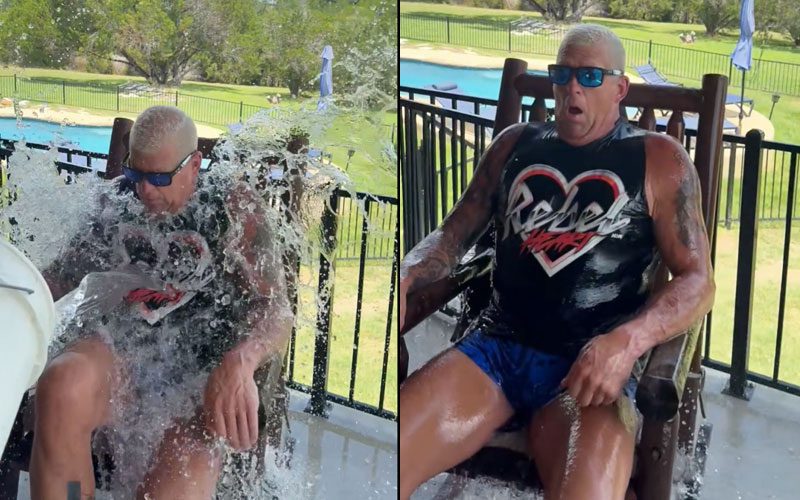
We see this trend manifest in odd places. Even Dustin Rhodes getting soaked for the ALS Ice Bucket Challenge generates more digital engagement than some mid-card television segments. This isn't a critique of charity, but an observation on how personality-driven social media clips frequently outperform the scripted narratives intended to push the talent.
When a retired legend or an outside personality commands more gravity than the active champion, the promotion has failed its primary duty of cultivation. This gap creates a ceiling for younger talent who cannot break through the noise of constant retread booking.
A pattern of misplaced priority
The fixation on next year's Hall of Fame class suggests management is already counting down the days to a stadium show, rather than tightening the booking for next week’s episode of Raw or SmackDown. If you are watching the clock, you aren't paying attention to the ring work.
The current metrics for success appear to be linked to event scale rather than narrative coherence. This is a hazardous path for a promotion that relies on the loyalty of hardcore fans who can spot a placeholder feud from a mile away.
Analyzing the booking gaps
Look at the distribution of main event time over the last three months. We have seen a surplus of multi-man tags designed to protect specific win-loss records, often at the expense of developing a clean, legitimate challenger for the title.
Match pacing has become predictable, with too many heavy hitters relying on signature spots that fail to build genuine heat. A 15-minute draw shouldn't feel like a chore, but when the sequences are recycled from last season, it is impossible for the audience to stay invested.
The prediction for the coming months
WWE will likely continue to prioritize the Fanatics Fest branding and legacy marketing over the next two quarters. Expect them to lean on nostalgia to bolster ticket sales for early 2027.
Unless there is a fundamental shift in how they integrate the mid-carders into the main event frame, the current stagnation will persist. My call: we will see at least 3 legacy acts inserted into significant booking positions by the end of the year to paper over these cracks.
This isn't a winning strategy in the long term, but it is the safe bet for a corporate entity obsessed with maximizing its quarterly valuation. Don't expect a radical change; expect more of the same, with slightly shinier stage lights masking the lack of a clear, modern direction.