The All In blueprint still holds up
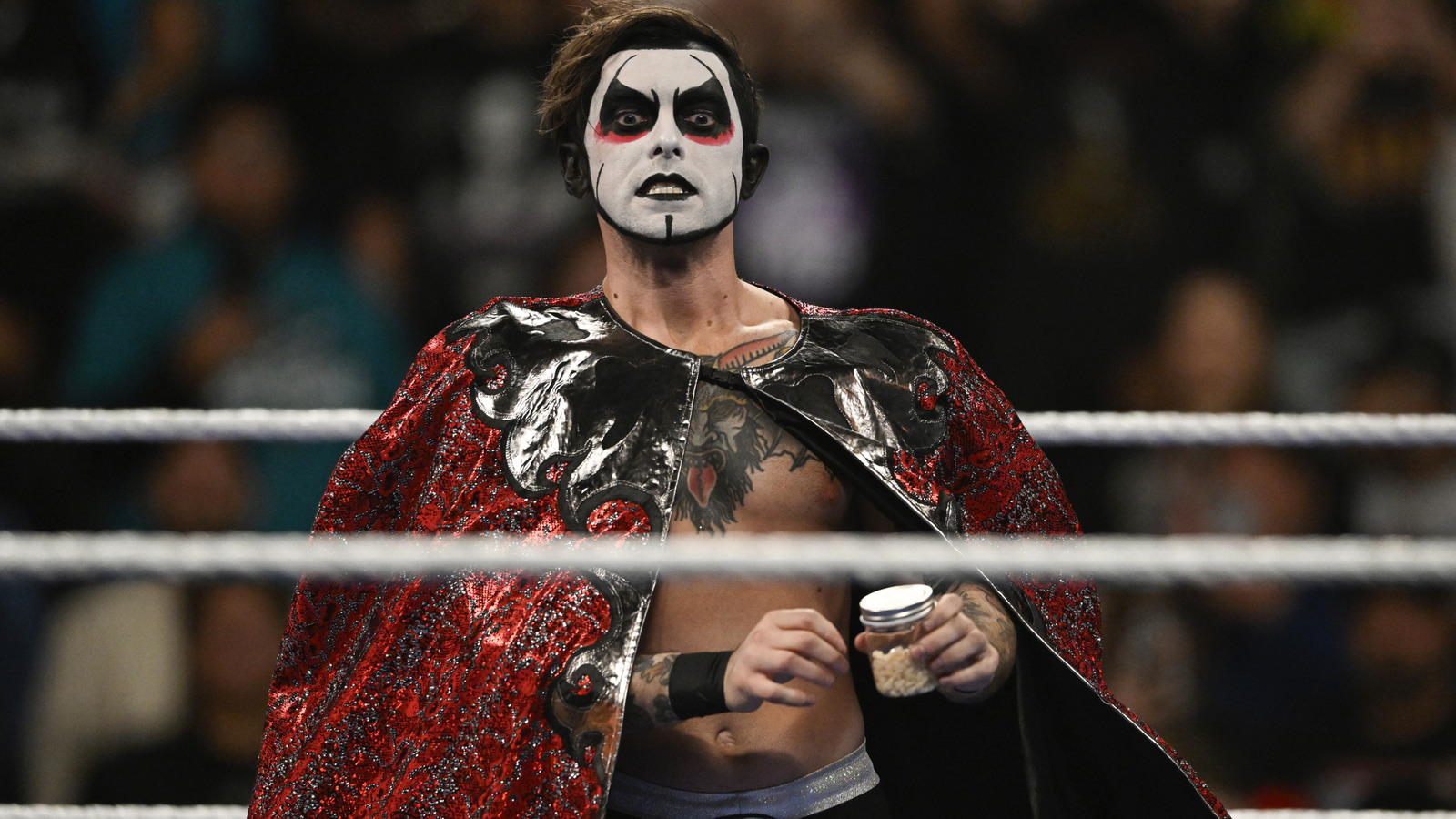
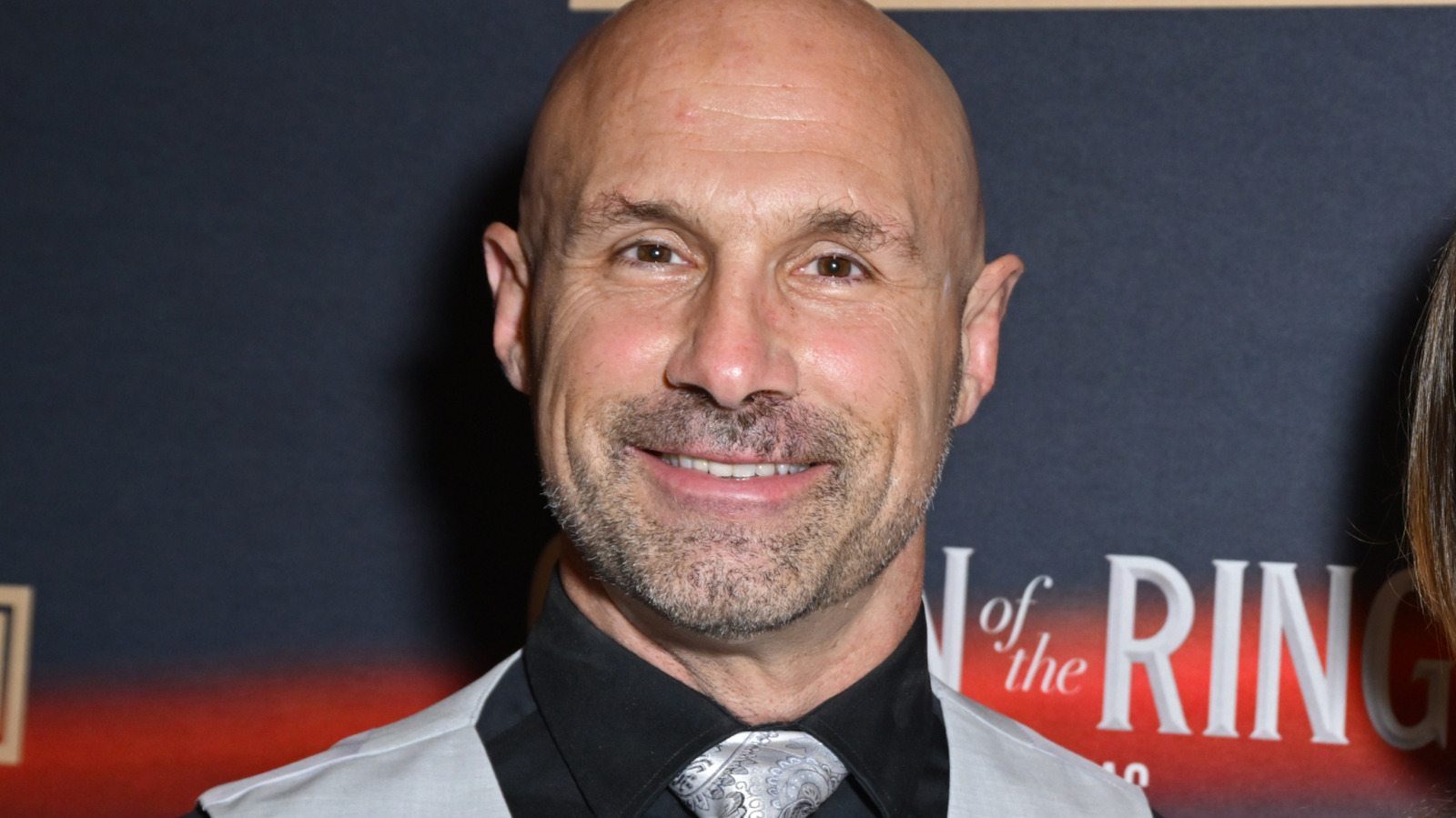
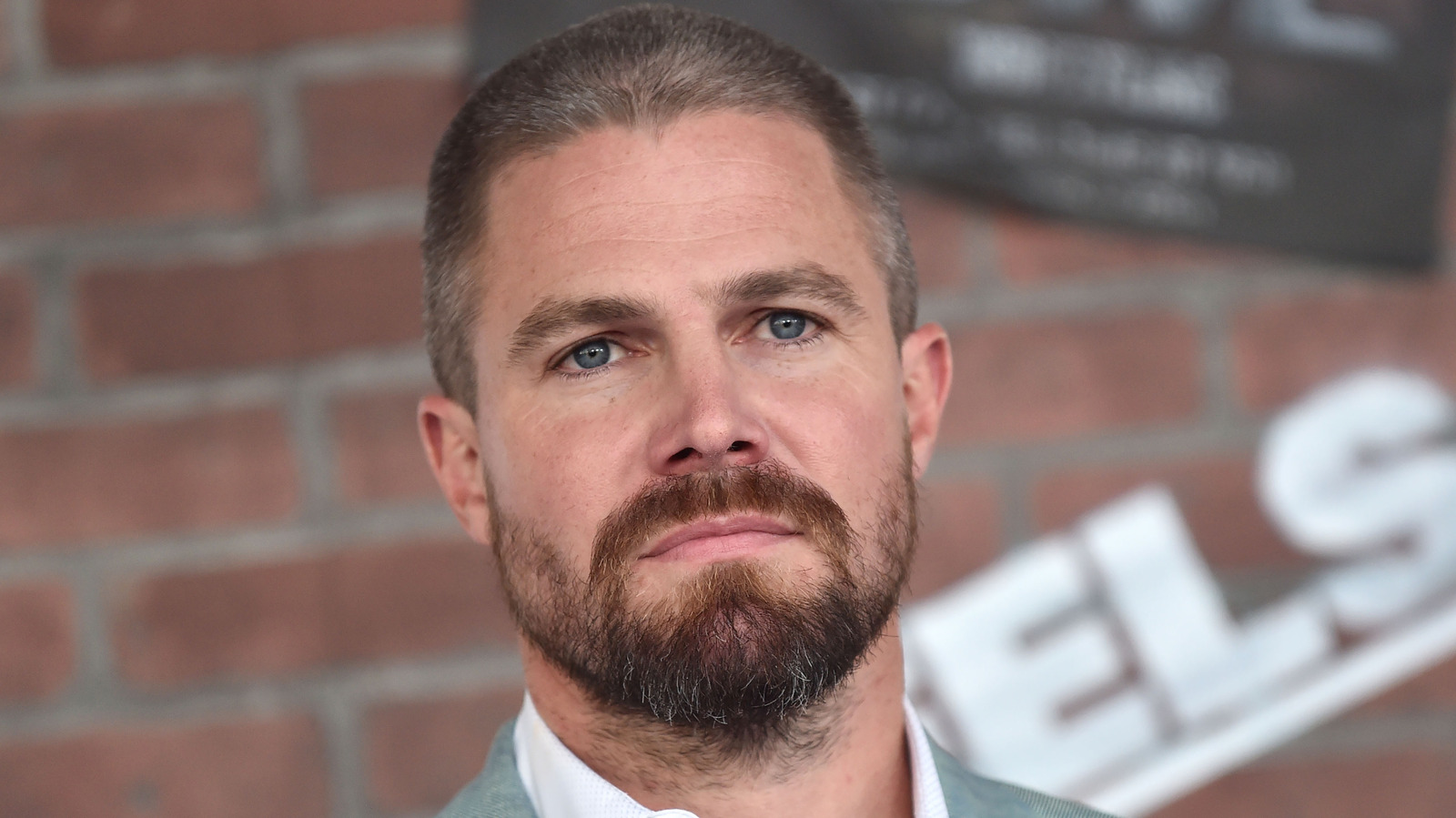
Looking back at the genesis of the 2018 All In event, the involvement of Stephen Amell wasn't just a celebrity stunt. As Christopher Daniels explained, the groundwork was laid during a 2017 Ring of Honor taping. Daniels understood that crossover appeal relies on the athlete actually showing up to work.
Amell took a stiff clothesline and sold a back body drop like he had been taking bumps for a decade. It wasn't the polish that made it work; it was the commitment to the bit. That level of buy-in is exactly what the modern promotion needs to regain its momentum.
Booking beyond the pop
Modern wrestling segments often focus exclusively on the big reveal or the surprise entrance. When you compare the Amell spot to current booking, the difference is jarring. The All In angle was built on months of micro-narratives starting in ROH, not a throwaway brawl on a B-show.
Lately, the pacing of major feuds feels like it is sprinting toward a pay-per-view without stopping at a single character beat. You can give fans high-octane spots, but if the crowd doesn't have a reason to hate the heel, the sequence means nothing. It is a fundamental error of modern creative.
The efficiency gap
Daniels has always been a technician, and his ability to carry a non-wrestler through a match remains a masterclass that talent today needs to study. The way he transitioned into that finish at 14 minutes proves you don't need a 30-minute epic to deliver quality.
Critically, the promotion has started to lean too heavily on outside interference to save lukewarm segments. When you stop protecting the integrity of the match, you lose the ability to tell stories within the ropes. Looking at the recent market shifts in tech, it is clear that utility—not just raw power—defines value. Wrestling follows this same law.
My prediction for the summer is a pivot back to simplicity. The booking team will likely be forced to tighten the rotation to avoid overexposing the main event talent. Expect a mid-card title spike in August, focusing on longer matches and clean finishes to reset the prestige of the secondary belts.
The risk here is a slow burn that casual fans might abandon before the payoff. However, it is the only way to build long-term equity. If they stick to the fundamentals demonstrated by the 2018 veteran corps, the 4.2 rating they hit during the fall will be repeatable.