The trap of nostalgia in modern booking
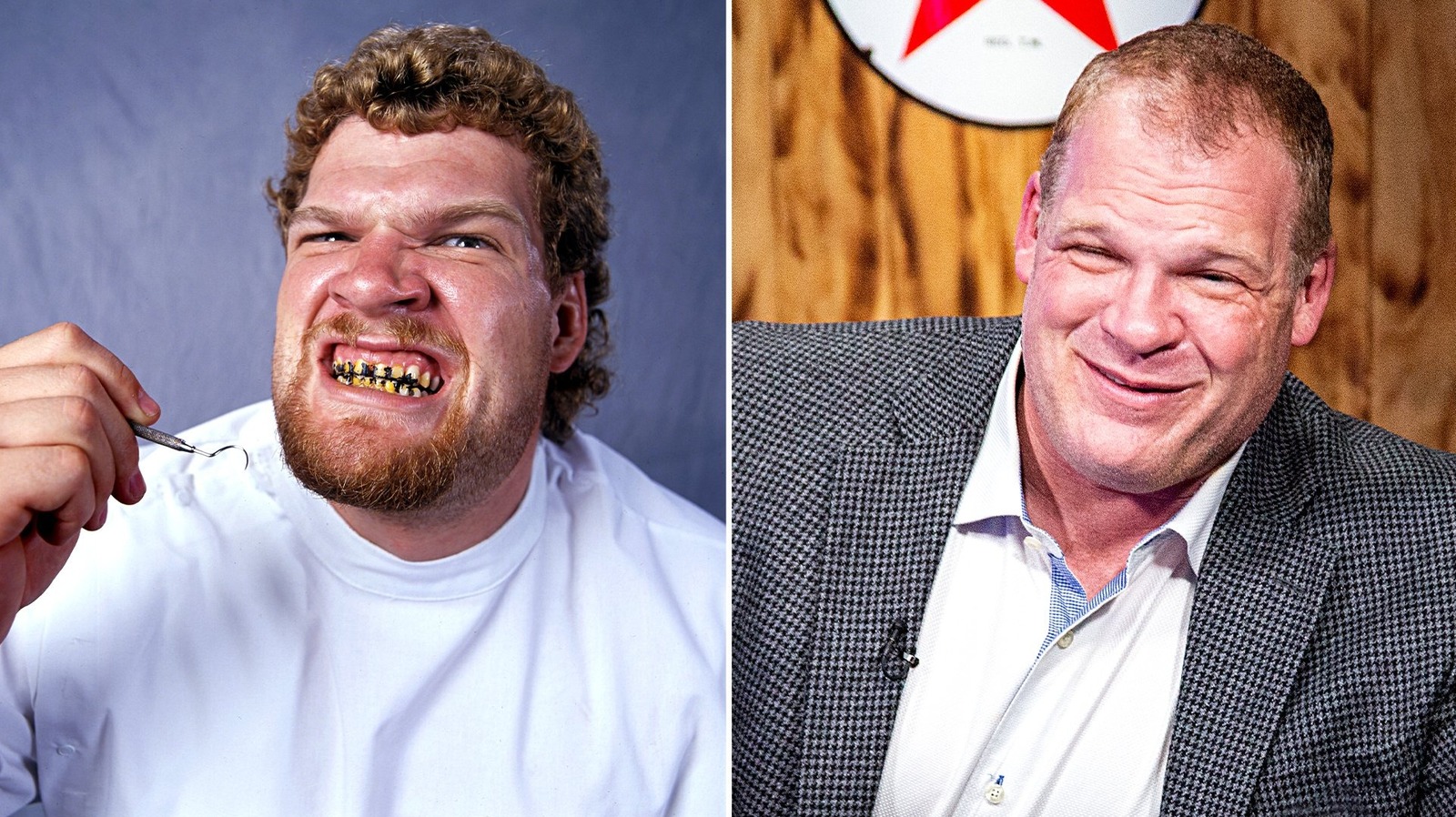
Watching the industry reflect on veteran careers recently, from Jeff Jarrett parsing his past titles to Raj Dhesi revisiting the 3MB era, a pattern emerges. These retrospective looks often highlight how much distance exists between the technical innovation of 2026 and the gimmick-heavy reliance of the past. When veterans look back at characters like Dr. Isaac Yankem, as Glenn Jacobs did recently, they are essentially mourning the loss of creative agency that younger talent is finally regaining.
The issue isn't respect for the history. It is the persistent booking decision to tether current momentum to ghosts of the ring. When promoters rely on the same names for recurring segments, they suffocate the growth of active mid-carders. We saw this play out in the mid-2010s, a period highlighted by the historic roster splits and NXT surges, where the focus shifted toward actual athleticism instead of just brand recognition.
Defining moments versus highlight reels
True career milestones aren't found in a trophy case; they happen between the ropes during high-stakes bouts. Orange Cassidy correctly identified his 2020 clash with PAC as a career pillar because of the narrative stakes involved, not the title belt at the end of the night. Christopher Daniels echoing similar sentiments after his final match with Hangman Page proves that the industry values the work rate of a clean finish over the hollow prestige of a championship chase.
However, we still see mistakes regarding health and longevity. The long-term physical toll of high-impact matches is finally being discussed with real transparency, notably with The Undertaker's recent openness about his 2014 concussion at WrestleMania 30. That single event shifted how the company manages post-match protocol, effectively ending the era where wrestlers were treated as invincible props rather than human athletes.
The prediction for the coming cycle
I predict that in the next six months, promotion powerbrokers will pivot away from the 'returning legend' gimmick. The data is clear: audiences are gravitating toward original storylines that emphasize character evolution over simple nostalgia spikes. If the current trend of utilizing legends for color commentary or coaching continues, we will see a marked increase in engagement for undercard matches.
The risk remains that creative leads will panic when ratings fluctuate, reverting to the tired trope of an unsolicited legend run-in to save a sagging segment. This would be a catastrophic error. Trusting the existing roster to generate heat through long-term narratives is the only way to sustain interest for the remainder of the calendar year. The era of the short-term nostalgia pop as a substitute for compelling writing is officially over.