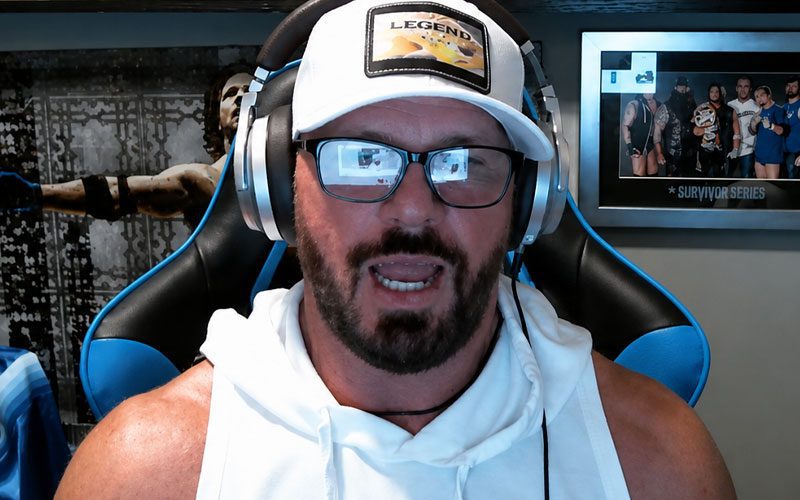
AEW needs more than just ticket sales to win the weekend
The live gate doesn't tell the whole story
AEW is pushing hard on the live event circuit with presales launching today for Nashville and Detroit. These moves signal a front-office focus on maximizing floor turnover. As reported by PWInsider, the company is also prepping for the Rememption pay-per-view, which hits the public market next week. Running these markets is standard operating procedure, but the metrics underlying these decisions are increasingly under the microscope.
Selling out arenas in mid-tier markets is a baseline expectation for a national promotion. The real challenge remains the conversion rate of those ticket buyers into long-term television viewers. Packing a house in Baltimore or Detroit provides aesthetic value, but it does little to address the declining interest in the week-to-week creative direction. When the broadcast product feels aimless, you can only run so many "dream matches" before the local fanbases stop showing up.
The booking vacuum at the top
There is a disconnect between the aggressive expansion into new venues and the actual structural integrity of the active roster. We are seeing constant shuffling of mid-card talent while the main event picture remains stagnant. Relying on paper-thin feuds to drive pay-per-view buys is a high-risk gamble in 2026. The Rememption event needs to deliver more than just high-spot variance to move the needle on stagnant ratings.
The creative team seems allergic to long-term pivots. We see the same pacing issues during live broadcasts that have plagued the promotion for years. Matches lack the necessary narrative stakes to justify the run-times. A high-quality technical display is fine at 10 minutes, but at 25 minutes, it demands a story that just isn't there. If the goal is to sustain the $570 million valuation environment seen in other sectors, the company needs to start treating its television time with the same scarcity as its pay-per-view inventory.
The infrastructure of a stagnant show
The reliance on the same rotating cast of challengers is hitting a wall. You can only put the same two wrestlers in a ring so many times before the audience stops investing in the outcome. There is no urgency in the current booking. Every episode today feels interchangeable, a collection of high-budget segments that fail to build toward a coherent season-ending payoff.
If the promotion wants to avoid internal rot, they need to cut the dead weight in the undercard and lean into the rising stars who actually generate reactions. The current approach is a passive maintenance strategy rather than a growth engine. Filling arenas is a victory, but selling tickets is only half the business. Without a compelling narrative hook, these venues will start to look like the empty caverns of 2024. The promotion is currently relying on a 35 percent increase in live attendance, but that number is vulnerable if the quality of the broadcast continues its current slide.
WWE Elite Top Picks 2026 Seth "Freakin" Rollins Action Figure
Capture the Visionary's high-flying style with this premium Elite figure.
Frequently Asked Questions
What is AEW's current strategy for live events?
How does AEW's ticket success compare to its creative output?
What is the primary criticism regarding AEW's booking?
Why are long-form matches in AEW facing scrutiny?
What steps does AEW need to take to sustain its growth?
More Coverage
AAA’s Verano de Escandalo is a beautiful mess we can’t look away from
4 hours ago
WWE at MSG: Why the Saturday Night return failed the math test
10 hours ago
Sami Zayn's exit from the main event scene is a major creative stumble
12 hours ago
CM Punk’s pacing problem is catching up to him
17 hours agoWWE keeps running the same loops and it creates a viewership ceiling
18 hours agoAEW Collision keeps spinning its wheels on Saturday night
18 hours agoMore Analysis
AEW needs more than market expansion to fix its momentum
1 month, 2 weeks ago
AEW's stagnant attendance is hitting a breaking point
3 months, 1 week ago
AEW needs a booking pivot before Double or Nothing
2 months, 1 week ago
AEW's geographical expansion strategy fails to address core roster issues
1 month, 4 weeks agoAEW's booking hit a massive wall on Dynamite
1 month ago