The shadow of 2021 looms over AEW
As we sit here on June 2, 2026, the industry is awash in retrospectives. Looking back five years to the AEW Double or Nothing era, one is struck by the sheer volume of discourse surrounding roster expansion and title structure. Back then, the conversation centered on whether the company should absorb talent released by WWE.
That cycle feels distant now. The modern roster doesn't need more bodies; it needs a sharper tactical identity. When listening to the Wade Keller Pro Wrestling Podcast recap of those early years, the enthusiasm was rooted in a sense of discovery. Today, the challenge is sustainability.
The consistency problem
The product currently suffers from a lack of focus in its mid-card booking. While the main event scene remains a marquee draw, the transitions between segments often feel disjointed, losing the rhythm established during the opening 20 minutes of television. It is a pacing issue that prevents storylines from gaining the necessary heat before major pay-per-view events.
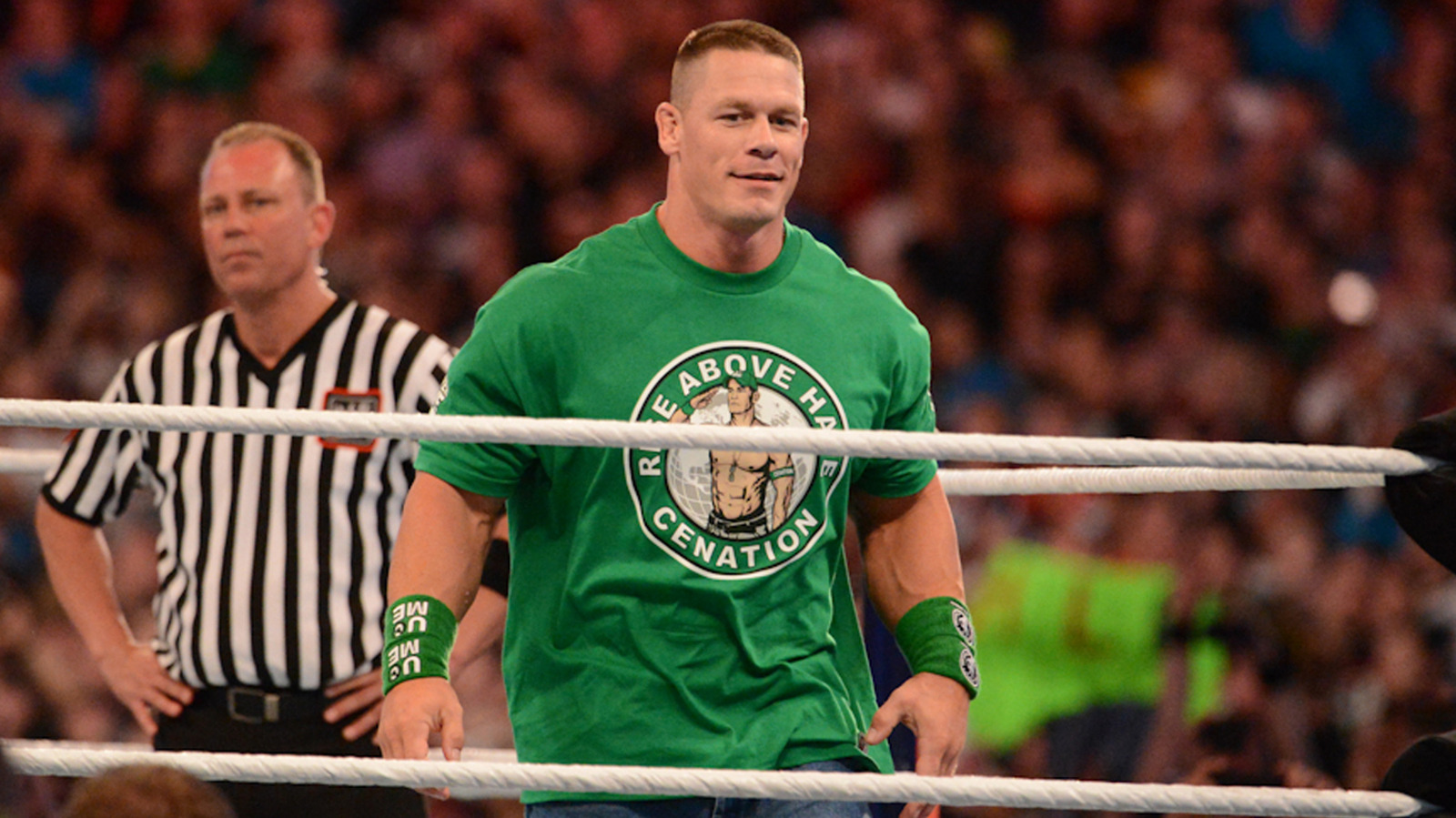
We can look at the trends from 2016, where the John Cena and AJ Styles dynamic defined an entire calendar year through sustained, high-stakes collision. That era taught us that marquee matchups require months of narrative foundation, not just a frantic, high-impact finish to a television episode.
Tactical watch points
For the upcoming broadcast, keep an eye on the transition sequences. Too often, we see finishers executed without proper setup, treating high-leverage moves as routine strikes. If a performer hits a signature, there should be a 15 percent variance in how they follow up based on the opponent's positioning. Failure to account for spatial awareness makes these bouts look rehearsed rather than contested.
What to expect
I predict a stagnant opening quarter-hour. Unless the booking team moves away from the multi-man tag matches that have plagued recent Dynamites, the crowd engagement will likely dip below the 75 percent engagement mark as measured by noise output during entry music. They need to trust their singles competitors to drive the narrative forward.
My prediction for the main event is a 22-minute technical slog that fails to deliver a clean finish. Interference is likely, which is a tired trope that undervalues the talent involved in the ring. The company is currently banking on goodwill from past successes rather than executing on the fundamentals that made them a legitimate alternative half a decade ago.