The context of a career on the line
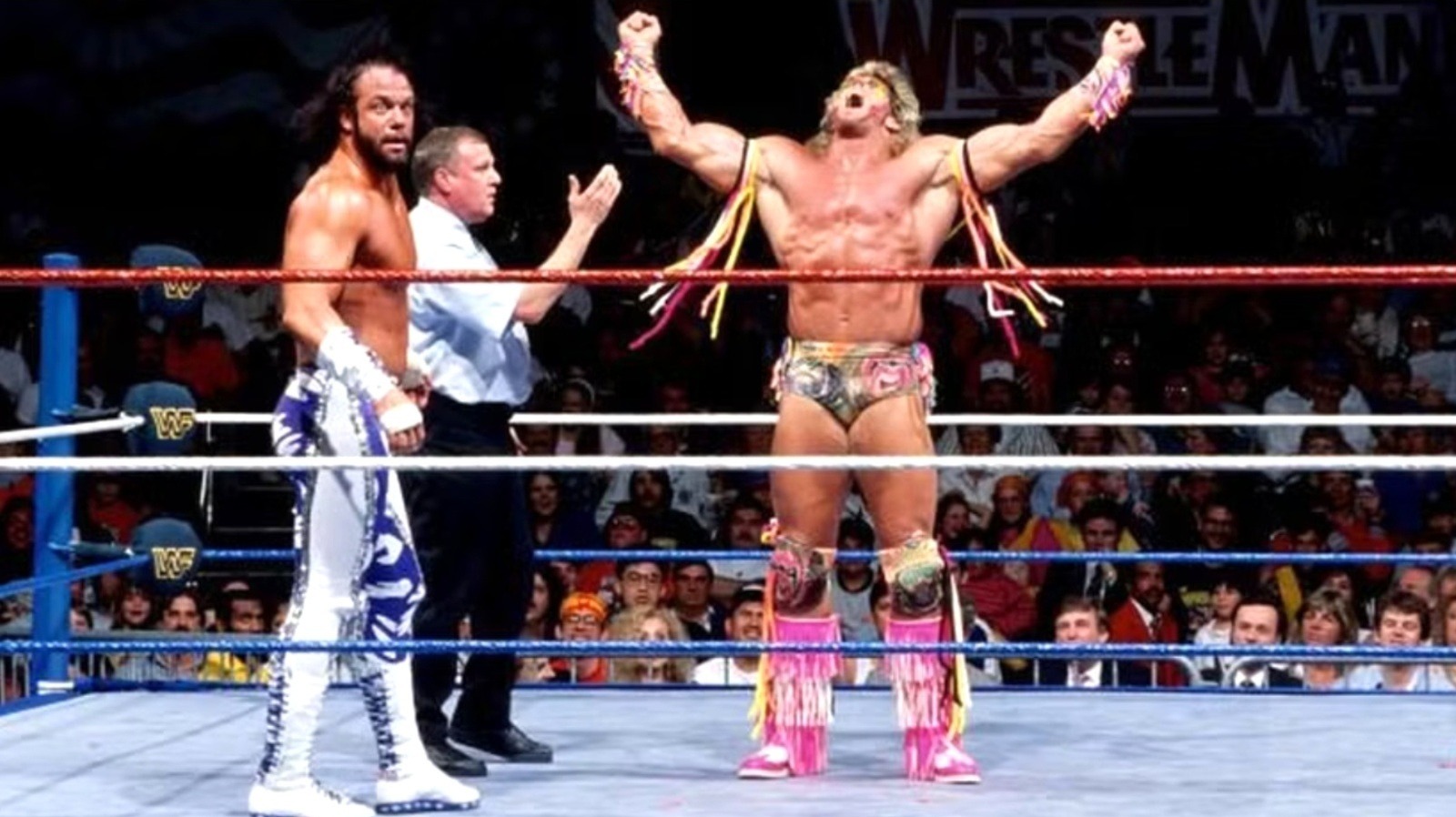
When Randy Savage and the Ultimate Warrior stepped into the ring at WrestleMania 7, the industry was shifting. The cartoon era of the 1980s was beginning to show its age, but this match provided pure, unfiltered melodrama. It was a true Career Ending Match in front of a massive crowd at the Los Angeles Memorial Sports Arena.
The build-up was a masterclass in simple, effective booking. Savage had cost Warrior the WWF Championship at the Royal Rumble a few months prior, smashing his royal scepter over Warrior's head in a brutal blindside attack. Sgt. Slaughter walked away with the title, setting the stage for this deeply personal blood feud.
Savage was the ultimate working man's heel. He could drag a passable match out of almost anyone on the roster, but Warrior was an entirely different puzzle. Warrior was pure kinetic energy, notoriously reckless in the ring, and possessed a bad habit of blowing up in the first five minutes of a bout.
The tactical genius of this match is how Savage structured it to hide Warrior's glaring flaws. He dictated the pace from the opening bell. He bumped like an absolute maniac to make Warrior's offense look lethal, throwing his own body around the ring and over the top rope with reckless abandon.
Walking the aisle
Even the entrances told a story before a single punch was thrown. Savage was carried to the ring on a palanquin by attendants, flanked by the vicious Queen Sherri. He looked every bit the Macho King, dripping in arrogant pageantry and clearly confident he was going to end a career.
Warrior, surprisingly, walked to the ring. There was no trademark full-speed sprint to the squared circle. The visual of him slowly making his way down the aisle, his face painted with a more subdued, serious design, immediately signaled the gravity of the stipulation. He wasn't just there to entertain; he was there to survive.
Gorilla Monsoon and Bobby Heenan were brilliant on commentary here. Heenan's genuine desperation as he realized his ally Savage might actually lose added a layer of severe anxiety to the broadcast. Monsoon played the straight man beautifully, constantly reminding the television audience that one of these men was going home forever.
Psychology over workrate
Modern fans obsessed with technical grappling and star ratings often miss the brilliance of how this match was put together. It wasn't about complex mat exchanges, chain wrestling sequences, or high-flying acrobatics. It was built entirely on desperation and survival.
Every time Savage gained the upper hand, he didn't just target a body part; he targeted Warrior's pride. He used Sherri for cheap shots on the floor while the referee was distracted. He raked the eyes. He executed every underhanded tactic a desperate man would use to save his livelihood.
Savage hit a massive double axe handle from the top rope all the way to the floor, driving Warrior directly into the steel barricade. This wasn't just a high spot for the sake of an applause break; it was a deliberate, calculated tactic to stop Warrior's momentum dead in its tracks and control the breathing of the match.
The false finishes remain legendary. Before the famous ending sequence, Warrior had his own moment of absolute despair. He hit the gorilla press slam and the big splash, a devastating combination that had pinned Hulk Hogan clean in the middle of the ring just a year prior.
Savage kicked out at two and a half. The camera captured Warrior looking up to the heavens, seemingly questioning if the wrestling gods had abandoned him entirely. He even asked the referee if it was three, a rare moment of vulnerability for an otherwise invincible, cartoonish character.
Then came Savage's turn. It is perhaps the most famous offensive sequence of the decade. Savage didn't just hit his top rope elbow drop finisher; he scaled the turnbuckles and hit five consecutive flying elbow drops. Each one looked perfectly executed, driving the air completely out of Warrior's lungs.
In any other era, against any other opponent on the planet, that's the definitive finish. When Warrior managed to kick out, the hard camera caught Savage looking completely shattered. It wasn't just a physical kickout; it was the horrifying realization that his career was actually over. The psychological damage was done long before the physical damage finished the job.
Flaws in the spectacle
It is not a flawless masterpiece, though. As an analyst, we have to be honest about Warrior's severe limitations inside the ropes. His selling was wildly inconsistent throughout the entire twenty-minute runtime.
He spent long stretches looking legitimately out of breath rather than accurately selling the damage to his neck or back from Savage's relentless assault. There are clear moments on tape where Savage has to physically guide him through the next transition while holding him in a reverse chinlock or a rest hold.
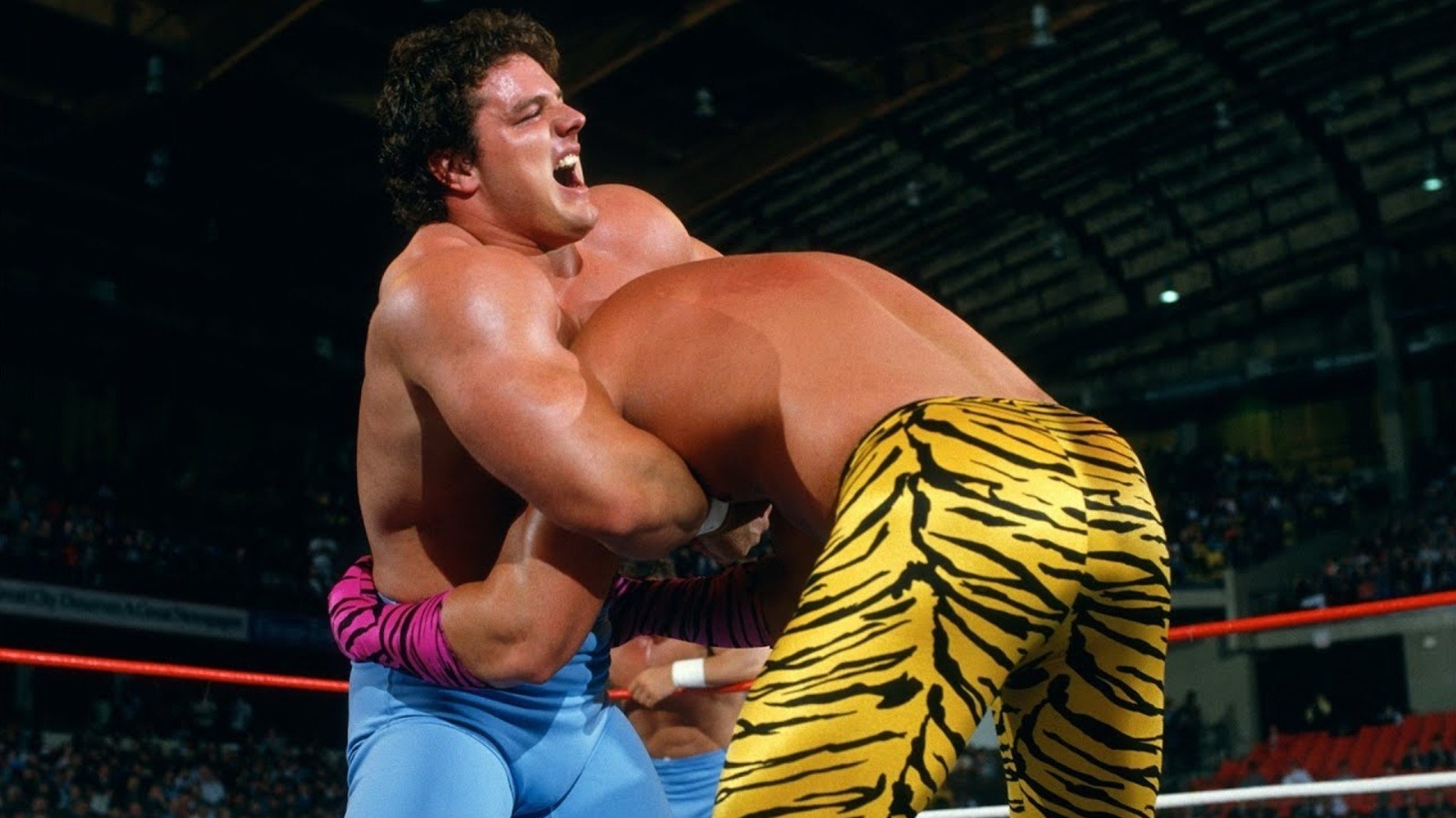
The pacing dragged heavily during the mid-match bearhug sequence. It felt less like a strategic submission attempt and more like two exhausted guys trying desperately to remember the next spot. A tighter edit on the mat work would have made the frantic, breathless finishing stretch hit even harder.
But the final minute completely erased those sins. Warrior hitting three consecutive flying shoulder blocks, driving Savage to the mat repeatedly, was perfectly timed. Placing a single boot on Savage's chest for the pinfall was definitive. He didn't just beat him; he conquered him.
The aftermath that changed everything
The post-match angle is what truly elevated this from a very good match to an immortal piece of business. Queen Sherri turning on Savage made perfect narrative sense. She was a ruthless mercenary manager losing her meal ticket, taking out her vicious frustration by kicking the man who failed her while he was down.
Then, the camera dramatically found Miss Elizabeth in the crowd. When she jumped the barricade, shoved past security, and sprinted into the ring to throw Sherri out, the 16,000 fans in attendance lost their collective minds.
It remains one of the loudest pops in professional wrestling history. Savage, dazed and confused from the beating, nearly struck her before realizing who it was standing in front of him. The moment they finally embraced, years of bitter heel heat vanished instantly. They reunited in the center of the ring, giving the fans the exact emotional catharsis they didn't know they desperately needed.
Heenan's call of the moment was uncharacteristically genuine, abandoning his sarcastic heel persona for a split second. The sight of grown men openly crying in the front row validated the booking entirely. It proved that wrestling is at its absolute best when it taps into raw human emotion.
Lessons for the modern locker room
As we approach WrestleMania 41 in just a few weeks, it's worth studying how Savage and Warrior built a story where every single strike mattered. They didn't need forty minutes of meaningless false finishes or Canadian Destroyers to make the audience feel something. They just needed the right story, perfect timing, and the willingness to leave their egos in the locker room.
Today's roster could learn heavily from Savage's unselfishness. He willingly went out on his back, making Warrior look like an unstoppable superhero, while simultaneously engineering a massive babyface turn that extended his own relevance for years to come.
For Savage, this supposed retirement led to a brilliant stint on the broadcast desk, keeping him on television while allowing his mounting injuries to heal. It made his eventual return to the active roster against Jake Roberts even more impactful and violently personal.
For Warrior, this victory should have been the springboard to another massive title run. Instead, highly publicized contract disputes and erratic backstage behavior derailed his momentum shortly after. In hindsight, this match stands as the absolute peak of his in-ring career. He never looked this good, or was protected this brilliantly, ever again.
As we look ahead to WrestleMania 41 next month, I am putting my flag in the ground right now. We are going to see a similar career-defining moment when John Cena steps into the ring for his farewell in Las Vegas. Much like Savage, Cena understands the assignment. He will dictate the pace, hide his opponent's flaws, and gladly go out on his back to permanently mint the next superstar. And just like Savage at WrestleMania 7, the psychological storytelling will completely overshadow any physical limitations. Bank on it.