The Tourist Complains About The Traffic
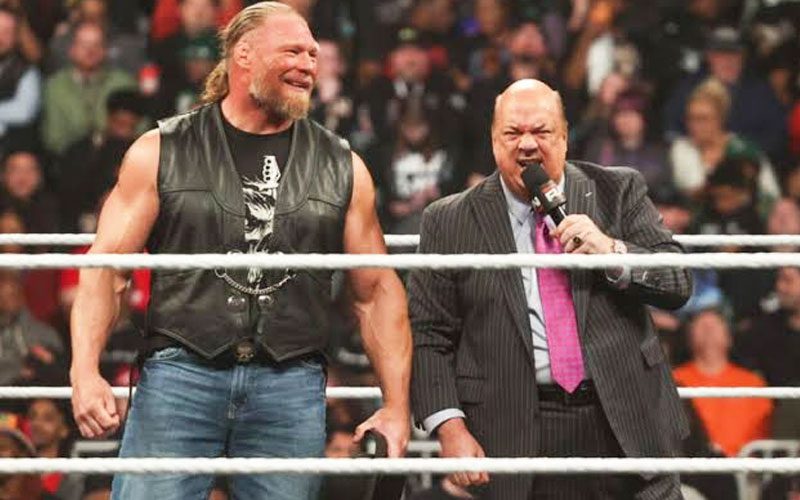
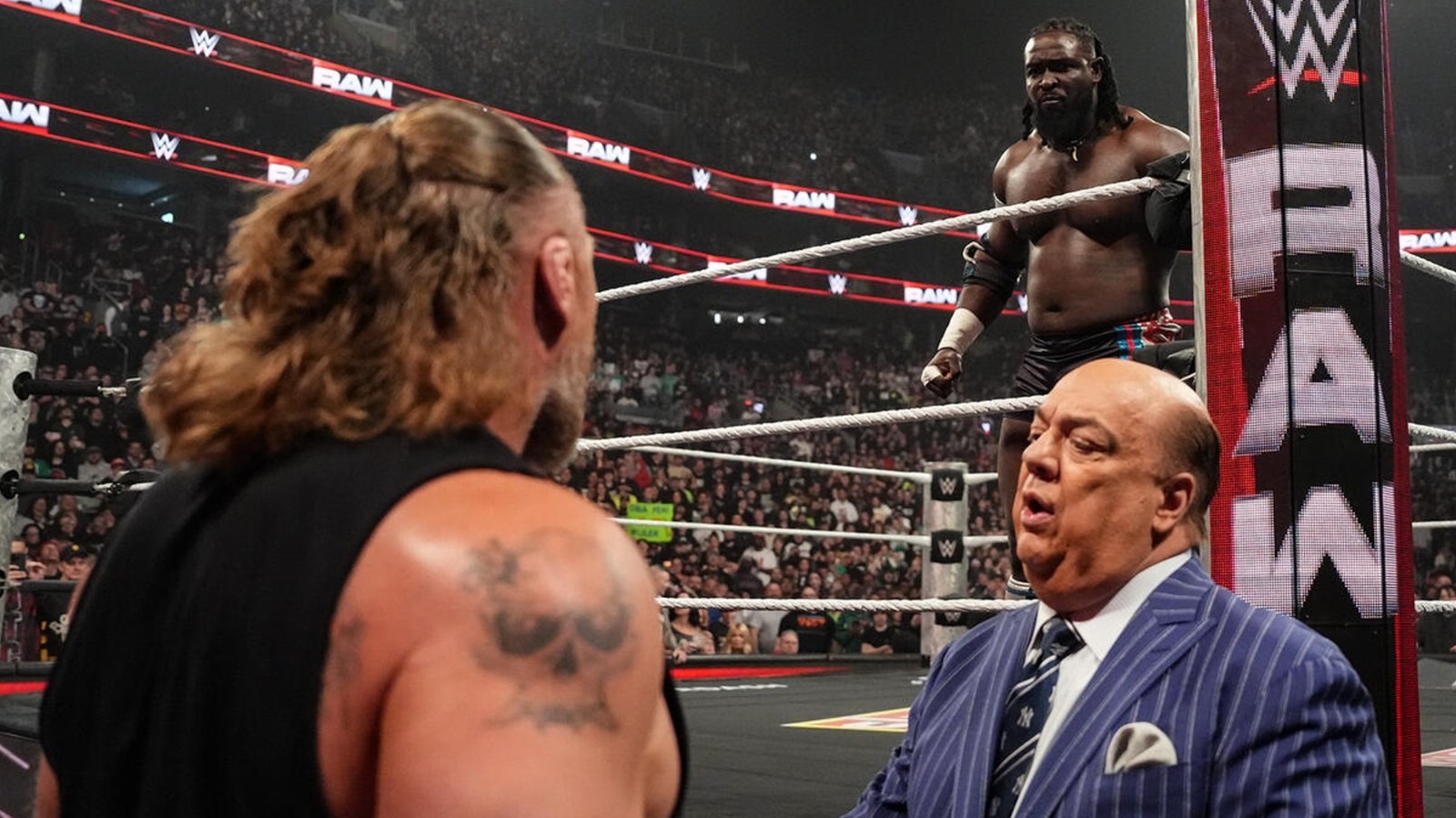
Every few years, Brock Lesnar emerges from whatever frozen Canadian tundra he calls home, looks at the state of professional wrestling, and decides to insult everyone in the building. It is basically a holiday tradition at this point. The latest soundbite making the rounds is Brock claiming the wrestling industry is "softer" now than when he first came up.
Naturally, wrestling Twitter immediately burst into flames. The tribalism kicked into high gear. You have the old-school loyalists nodding along, convinced that anyone who plays video games in the locker room is a weakling. Then you have the modern fans furiously typing out essays about work rate, bump cards, and mental health.
Here is the thing about Brock's comment. He is not entirely wrong about the shift in backstage culture. But he is completely confusing self-preservation with weakness. He is looking at a generation of athletes who actually want to be able to walk when they are sixty, and he is labeling them soft.
The Monster of 2002
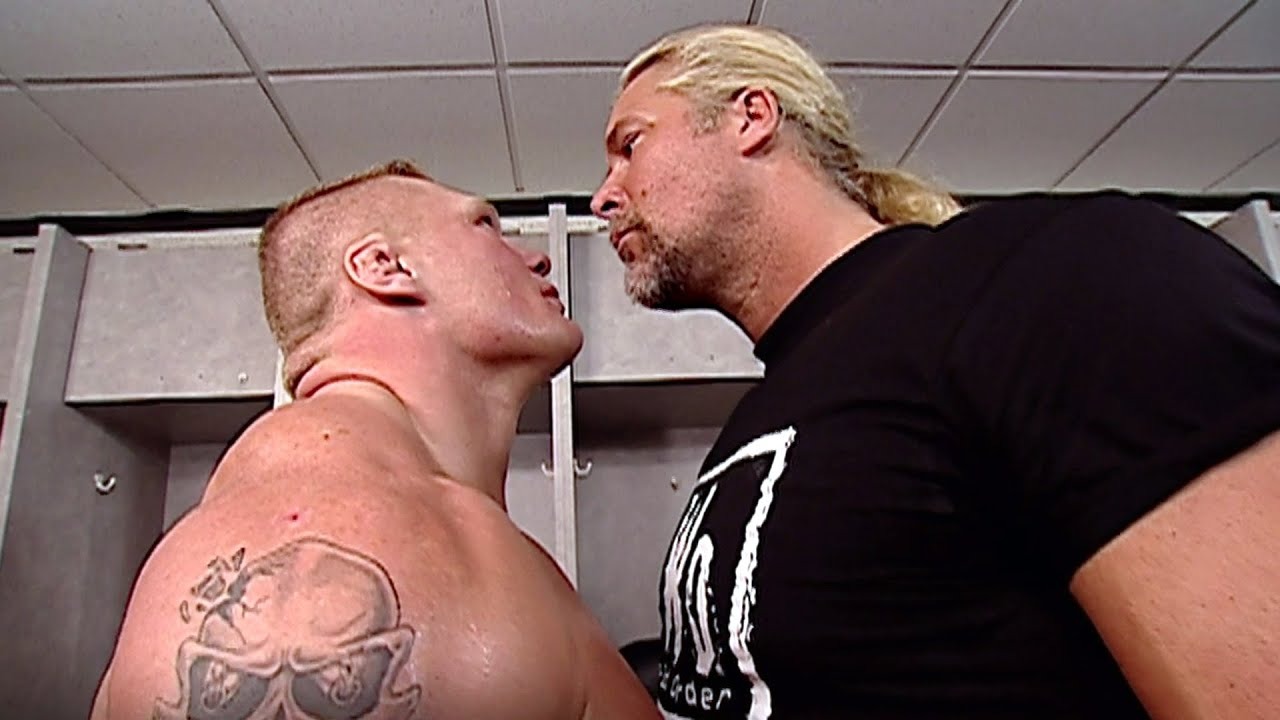
Let us rewind to 2002. Brock Lesnar debuted on Monday Night Raw by obliterating Maven, Al Snow, and Spike Dudley. He was an absolute monster. He was an NCAA Division I heavyweight champion walking into a locker room that was still aggressively clinging to the toxic remnants of the Attitude Era.
The culture back then was fundamentally unhinged. You had wrestlers working 300 days a year without complaint. The concept of "load management" would have gotten you laughed out of the building and probably stripped of your push. Guys were masking torn ligaments with heavy painkillers, washing them down with whatever was available at the hotel bar, and driving four hours in a rented Ford Taurus to the next town to do it again.
Wrestlers held literal kangaroo courts in the locker room. Hardcore Holly was openly stiffing rookies in the ring just to see if they would fight back. The Undertaker was the undisputed judge and jury of backstage disputes. JBL was making life a living hell for anyone who looked at him wrong or carried their bags incorrectly.
That was the environment Brock thrived in. He was a freak of nature who could bench press a pickup truck. Nobody was going to haze him. Nobody was going to tape his bags to the ceiling. He was the alpha predator from day one. So when he looks at the locker room in 2026, he sees a completely alien environment.
Video Games and Resistance Bands
Today, the boys and girls in the back are drinking pre-workout, stretching with resistance bands, and playing Super Smash Bros on their Nintendo Switches. Xavier Woods essentially built a secondary wrestling empire just by having wrestlers play video games on YouTube. You have guys vlogging their sneaker shopping trips instead of getting into bar fights.
To a guy like Lesnar, who genuinely enjoys punching people in the face for real, that looks soft. He sees a lack of edge. He sees a sanitized, corporate environment overseen by HR departments, PR teams, and media trainers.
But let's talk about what happens when the bell rings. Because that is where Brock's argument completely falls apart. The idea that today's wrestlers are soft in the ring is hilariously disconnected from reality.
Look at what these people are doing to their bodies on a weekly basis. Look at Darby Allin in AEW. The guy routinely treats his spine like it is a disposable commodity. He has thrown himself through real glass, leaped off twenty-foot ladders onto steel chairs, and taken bumps down flights of concrete stairs. Tomorrow night is AEW Dynasty in Kansas City, and you just know somebody is going to take a bump on the apron that makes you wince.
Look at Seth Rollins. The man wrestled with a torn meniscus and basically willed his way through a massive title run on one good leg. Look at Will Ospreay. He is taking reverse hurricanranas on the ring apron that would have literally paralyzed a normal human being in 1998.
The physical toll of a standard TV match in 2026 is astronomically higher than it was in the early 2000s. Back then, a main event television style heavily relied on rest holds, basic brawling, chin locks, and slow pacing. Today, a random Tuesday night match on NXT might feature three Canadian Destroyers, a dive into the barricade, and a superplex onto the floor just going into a commercial break.
The Glass House of Suplex City
And here is the ultimate irony of this whole situation. Brock Lesnar is calling the modern roster soft while essentially working the most protected, easiest style in the history of the business.
Do not get me wrong. Brock is a terrifying human being. If he wanted to, he could rip my arms off and beat me to death with them. He proved in the UFC that he is a legitimate, world-class heavyweight fighter. He beat Randy Couture for the title. He is not a guy you mess with.
But let's be honest about the "Suplex City" era. Starting around 2014, when he squashed John Cena at SummerSlam, Brock realized he was a massive draw and simply stopped doing actual wrestling matches. His formula became incredibly predictable.
The bell rings. He hits three German suplexes. The opponent gets a brief, fleeting moment of offense. Brock hits an F5. One, two, three. Go to the pay window.
When was the last time Brock took a flat back bump on a weekly television show? The Obama administration? He averages maybe five matches a year. He flies in on a private jet, spends exactly ten minutes in the arena, hits his predetermined spots, and leaves the building before the main event even starts.
That is not a criticism of his hustle. It is a brilliant business strategy. He maximized his financial value while minimizing his physical risk. It is the smartest thing a professional wrestler can possibly do. But you do not get to work the lightest schedule in wrestling history, bump twice a year, and then call the guys working 150 dates a year "soft."
Surviving the Gridlock
The disconnect here is fascinating. Brock views toughness through the lens of pure intimidation and locker room dominance. He measures a man by whether he would survive a rural bar fight in South Dakota.
The modern professional wrestler measures toughness by their ability to perform a 25-minute classic with a separated shoulder, go to physical therapy the next morning, and do it again in a different state the next night. They just happen to do it while drinking a matcha latte instead of a bottle of Jack Daniels.
There is also a deeply tragic element to the "good old days" that guys like Brock romanticize. We all know the names. We all know the early graves. The wrestling industry from the 1980s through the early 2000s has a mortality rate that is genuinely horrifying to look back on.
The rampant drug use, the unchecked concussions, the brutal hazing rituals, the complete lack of medical oversight. That wasn't toughness. That was extreme dysfunction masquerading as masculinity. The fact that the industry has evolved past that is a massive victory for everyone involved.
If a wrestler today gets a bad concussion, the match is immediately stopped. The medical staff steps in. The referee throws up the "X" symbol. There are actual protocols in place to prevent a performer from permanently damaging their brain. Back in 1999, if you got knocked out, you were expected to wake up, finish the match, hit your finisher, and not complain about the lingering migraine for the next month.
I will take the modern, "soft" approach over the alternative every single time. It means I actually get to see my favorite wrestlers live to be fifty years old without needing a hip replacement and a GoFundMe page.
The Road to Vegas
We are exactly 21 days away from WrestleMania 41 in Las Vegas. The card is shaping up beautifully. Cody Rhodes is getting ready to defend the WWE Championship in Allegiant Stadium. CM Punk is preparing for what will likely be a grueling, physical bloodbath of a match.
These guys have been carrying the company on their backs all year. They have done the relentless media hits, the exhausting international tours, the repetitive house shows in secondary markets. They have kept the engine running and the stock price high.
If Brock Lesnar decides to show up in Vegas, he will undoubtedly get a massive pop. The opening riff of his theme music is still one of the most electric sounds in sports entertainment. He has an aura that nobody else on the roster can replicate.
But he will likely step into the ring, throw a few massive humans around the ring like they are ragdolls, collect a check for $5 million, and immediately return to his farm in Saskatchewan.
Meanwhile, the "soft" kids in the locker room will be the ones taping up their bruised ribs, studying match tape on the bus ride to the next town, and figuring out how to pop the crowd on Monday Night Raw.
Wrestling has fundamentally changed. The curtain has been pulled back. The illusion of the legitimate tough-guy shoot fighter is mostly gone. Fans know it is a performance. The performers know they are athletes in a heavily choreographed stunt show.
They treat it like a profession now. They treat it like a demanding job that requires constant bodily maintenance, care, and strict boundaries. If Brock Lesnar thinks that makes them soft, that says a lot more about his outdated worldview than it does about the current state of professional wrestling.
It takes a massive amount of grit to survive in WWE today. The pressure is immense. The social media scrutiny is relentless. One bad botch goes viral in thirty seconds and stays on the internet forever. The mental toughness required to navigate that modern minefield is completely different from the physical toughness required to survive an old-school locker room.
Brock is a legend. He is a once-in-a-lifetime attraction. But his opinion on the daily grind of the modern wrestling industry is basically worthless.
He is a tourist commenting on the local traffic. He does not sit in the rush hour gridlock. He flies over it in a helicopter, complains that the cars are moving too slowly, and then vanishes back into the clouds.
So let him talk. It gets engagement. It gets people fired up. It gives us something to argue about while we wait for the real workers to step into the ring and tear the house down in Vegas.
Just do not buy into the narrative. The kids are alright. They might be playing Zelda instead of playing politics, but when the red light turns on, they are leaving more of themselves in that ring than the old guard ever did.
Read Next
- Wrestling Gear That's Actually Worth Your Money Before WrestleMania 41
- Fans are losing their minds over Becky Lynch's Mercedes Moné comments
- WrestleMania 41 Looms as AEW Tag Teams Fracture on Collision
- Brock Lesnar's MMA past reveals exactly how his WWE career will end
- 🏆 WrestleMania 41 — Full Coverage Hub