The ghost of Chicago still haunts us
We are just weeks away from WrestleMania 41 in Las Vegas. John Cena is wrapping up his legendary career. CM Punk is gearing up for what might be his final true main event run. The wrestling internet is endlessly arguing about star ratings, work rate, and who deserves to close the show at Allegiant Stadium. But honestly? We are all just chasing a ghost.
That ghost lives in the Allstate Arena on July 17, 2011. Money in the Bank. CM Punk versus John Cena for the WWE Championship.
You can argue for Shawn Michaels vs. The Undertaker at WrestleMania 25. You can throw Gunther's recent brutal classics in my face. You can even point to Cody Rhodes finishing the story last year against Roman Reigns. But nothing touches Chicago.
It was the undisputed peak of modern professional wrestling. It took a medium that had grown stale, predictable, and heavily scripted, and injected it with a terrifying dose of reality. For 33 minutes, we genuinely did not know what was going to happen. In an era where spoilers leak on Twitter before the wrestlers even tape their wrists, that level of mystery is an absolute miracle.
The build-up that broke the fourth wall
You cannot talk about the match without talking about June 27, 2011. Monday Night Raw in Las Vegas. John Cena was laid out through a table after a brutal main event.
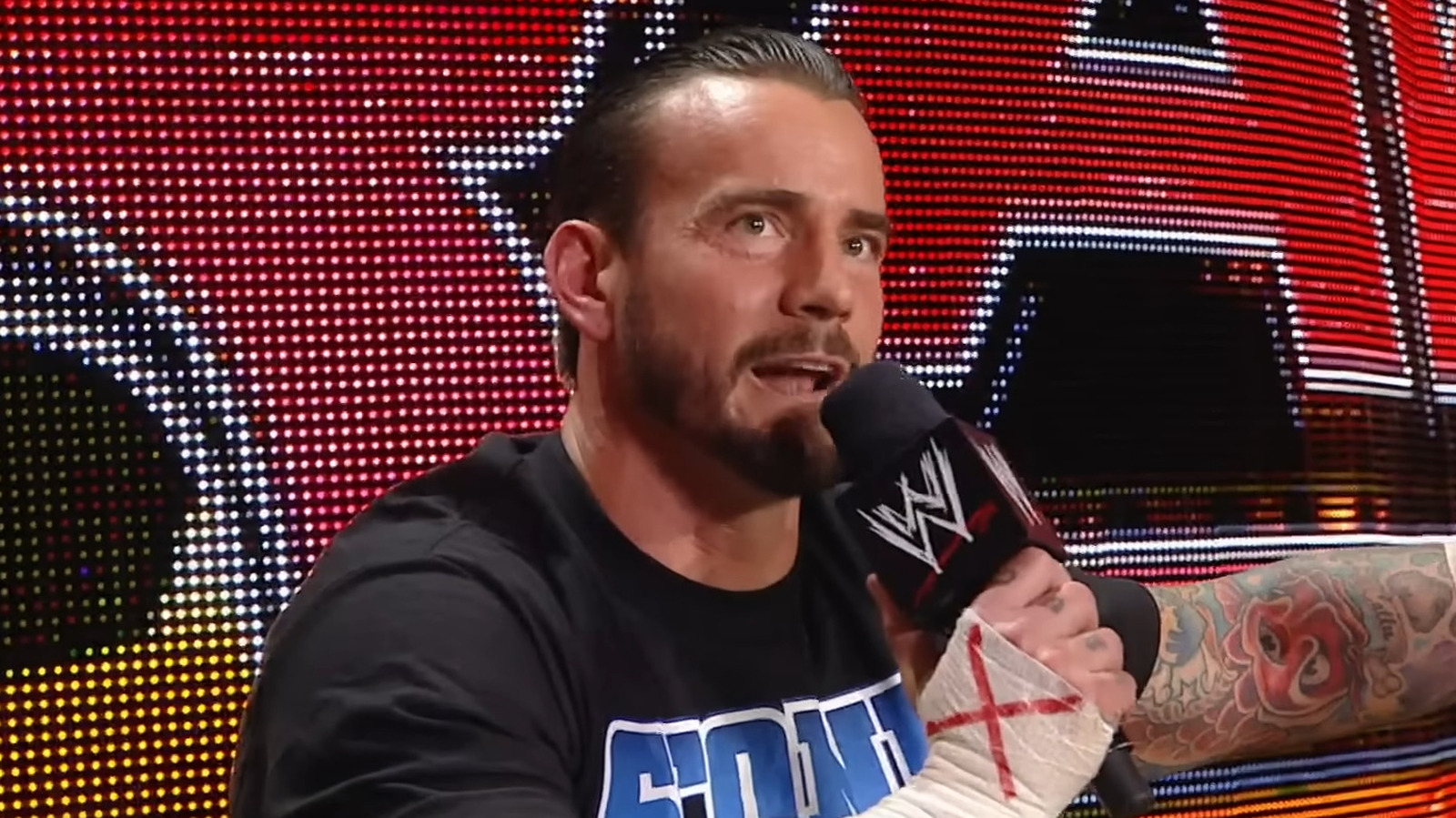
Punk marched to the top of the ramp, sat cross-legged wearing a Stone Cold Steve Austin shirt, and dropped the Pipebomb. He aired grievances that hardcore fans had been screaming into message boards for a decade. He named Colt Cabana. He referenced Ring of Honor and New Japan Pro-Wrestling. He called out Vince McMahon, John Laurinaitis, and Triple H by name.
It blurred the lines of reality. Was this a shoot? Was Punk actually leaving with the belt? WWE had spent years treating its audience like idiots. Suddenly, they were speaking our exact language.
Cena played his part flawlessly in the weeks that followed. He was the corporate golden boy. The guy who wore bright colors, kissed babies, and never backed down. He was the establishment. Punk was the anti-Christ of the PG Era. It was the perfect ideological clash.
Walking into a buzzsaw
The atmosphere inside the Allstate Arena that night wasn't just loud. It was hostile. It was completely feral. I have watched wrestling for thirty years, and the only thing that comes close is ECW One Night Stand 2006 when Cena faced Rob Van Dam.
When Punk's music hit, the building physically shook. He walked to the ring wearing a t-shirt that said "Best in the World," soaking in the adoration of his hometown. He wasn't playing a heel or a babyface. He was a god returning to his followers.
Then Cena's music hit. The sheer volume of the boos was staggering. Cena didn't do his usual salute. He didn't sprint to the ring. He walked out with his head down, holding the WWE Championship tightly against his chest. He looked like a gladiator walking into the Colosseum knowing the lions hadn't eaten in a week.
That entrance alone is a masterclass in psychology. Cena knew exactly what his role was. He was the villain in Punk's movie. He absorbed nuclear heat and never flinched. Not once.
The voice of the rebellion
We also have to talk about the broadcast itself. Michael Cole was in his absolute peak heel announcer phase, sitting in his ridiculous glass box. Jerry Lawler was defending the WWE honor. Booker T was just trying to keep up with the madness.
They sold the absolute terror of the situation perfectly. They didn't call it like a standard wrestling match. They called it like a hostage situation. Michael Cole sounded legitimately terrified that Punk was going to take the company's most prestigious prize and throw it in the Chicago River.
And the crowd gave them plenty of material to work with. The building was plastered with signs threatening violence if the golden boy won. "If Cena Wins We Riot" was not just a catchy slogan that night. It felt like a binding legal promise from the city of Chicago.
Every time Cena threw a punch, the arena booed so loudly it distorted the audio feed. Every time Punk hit a simple arm drag, they cheered like the Bears just won the Super Bowl. You cannot manufacture that kind of heat. WWE has tried for over a decade to artificially recreate that Chicago crowd, and they fail every single time.
Flawed perfection between the ropes
Here is the truth that wrestling purists hate admitting: the match itself was a little sloppy. If you watch it back on mute, you will definitely notice the cracks.
Punk slipped on the top rope during a springboard attack. Cena's STF submission looked as loose and unconvincing as ever. Around the 20-minute mark, there were a few clunky transitions where they clearly lost their place. There was a weird spot with a suplex to the outside that looked like it hurt for all the wrong reasons. Cena also completely whiffed on a flying shoulder block.
But guess what? None of that matters. Wrestling is not a gymnastics routine. It is a simulated fight designed to elicit an emotional response. The imperfections made it better.
It looked like a desperate struggle between two guys who hated each other. They traded brutal knees and heavy strikes. Punk hit a flawless suicide dive to the outside. Cena countered with a massive top rope leg drop to the back of Punk's neck. They traded finishers. Cena hit the Attitude Adjustment. Punk kicked out at two and a half. Punk nailed the Go To Sleep. Cena kicked out just in the nick of time. Every single near fall felt like a literal heart attack.
Then came the finish. Vince McMahon and John Laurinaitis waddled down the ramp in their ridiculous suits, trying to recreate the Montreal Screwjob. Cena locked in the STF. McMahon frantically signaled to the timekeeper to ring the bell.
But Cena broke the hold. He rolled out of the ring, punched Laurinaitis right in the face, and yelled at McMahon that he wanted to win it the right way. It was peak John Cena. His strict moral code was his ultimate undoing.
The greatest escape in wrestling history
Cena slid back into the ring. Punk immediately hoisted him onto his shoulders. Go To Sleep. One. Two. Three. Clean in the middle of the ring.
The pop was deafening. The camera cut to Vince McMahon at ringside, looking like a man who just watched his house burn down. McMahon grabbed a headset and screamed for Alberto Del Rio to run down and cash in his Money in the Bank briefcase.
Del Rio sprinted to the ring, briefcase in hand. Punk saw him coming, ducked under his wild attack, and knocked him out cold with a brutal roundhouse kick to the side of the head. Then, the greatest visual in modern WWE history happened.
Punk jumped the barricade. He blew a kiss to a furious Vince McMahon. He disappeared into the sea of screaming Chicago fans, holding the physical WWE Championship high above his head. He actually did it. He left the company with the top prize.
The WWE sabotage machine
We all know what happened next, and it remains one of the most frustrating booking decisions in the history of the sport. WWE could not help themselves.
Instead of letting Punk defend the title in Japan or on the independent circuit for six months, they panicked. They brought him back exactly eight days later. They rushed the unification match at SummerSlam.
Then they had Kevin Nash—a guy whose knees were completely shot—powerbomb Punk so Alberto Del Rio could cash in and win the belt. It was absolute creative bankruptcy.
They took the hottest angle of the decade and fed it directly into the predictable WWE machine. It derailed Punk's momentum entirely. He ended up wrestling Triple H a month later at Night of Champions and losing. It was baffling. They had lightning in a bottle and they smashed the bottle over their own heads.
Why we can never go back
But the failure of the aftermath doesn't ruin the magic of Money in the Bank. It almost isolates it. That one night in Chicago is frozen in amber.
Modern wrestling is great right now. Triple H is running creative, the Bloodline saga has been fascinating, and business is booming. But everything feels extremely polished. Everything is perfectly choreographed. The lighting is pristine. The camera cuts are timed to the millisecond.
Money in the Bank 2011 felt raw. It felt dangerous. It felt like someone hijacked a multi-million dollar broadcast and the executives in the back had lost complete control. We haven't felt that unique adrenaline rush since, and we probably never will again.
As we watch Cena step into the ring at WrestleMania 41 for his farewell, and we watch Punk try to reclaim his glory on the grandest stage, we should remember what they built together fifteen years ago. They didn't just put on a wrestling match. They created a moment where, for just over half an hour, the scripted world of sports entertainment felt real.
Read Next
- Stop overthinking the WrestleMania 41 main events
- We spent 20 years booing John Cena, but his retirement is going to break us
- We are totally unprepared for John Cena's actual retirement match
- Thunder Rosa and the $60k referee insult is tearing the internet apart
- 🏆 WrestleMania 41 — Full Coverage Hub
- 💰 WWE Money in the Bank 2026 — Full Coverage Hub
- 💊 CM Punk WWE 2026 — Best in the World