The Big Picture: Wrestling's High-Velocity Shift
The 2026 wrestling landscape has moved faster than at any point in the decade. From surprise returns to failed booking experiments, the industry hit a fever pitch that left observers scrambling for context.
The Rankings
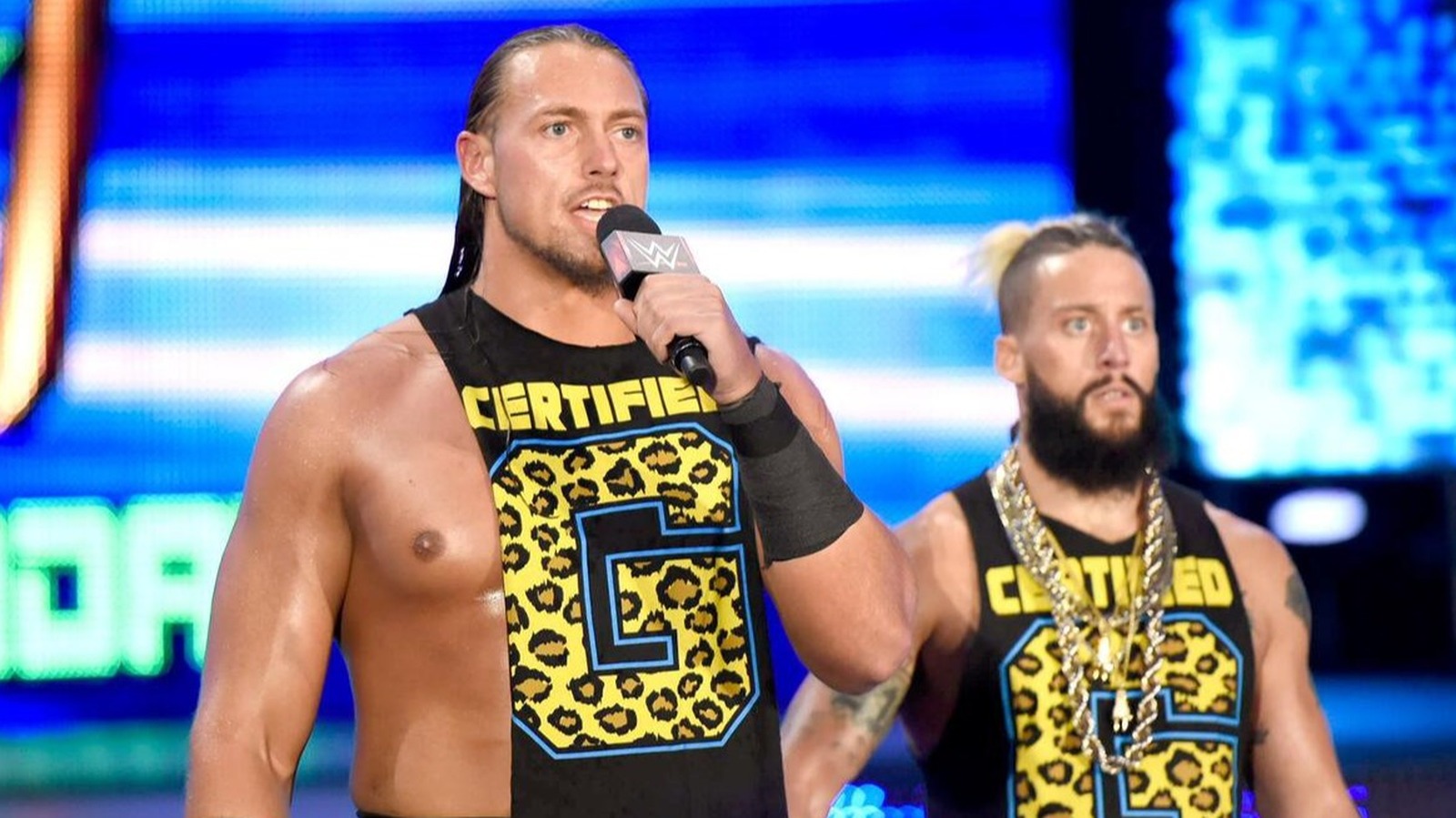
10. Bully Ray's Speculation on the Big Cass/Enzo Return
WWE teased a potential Big Cass return with a vague Raw vignette last week, sparking immediate industry conversation regarding the role of Enzo Amore. Bully Ray recently questioned whether the company intends to reunite the act or if Cass will attempt a solo run as a heavyweight force. This entry hits bottom because it lacks concrete confirmation. Until the music hits, this remains a standard booking tease.
9. The Unfinished Story of the Mid-Card Title
Mid-card championships struggled for identity throughout the first half of the year. Frequent title changes every 4-6 weeks diluted the prestige of the belts, turning potential crown jewels into rotating props. Unless the creative team commits to a 100-day reign, these championships will remain fodder for filler content. Fan interest reflected this instability with declining engagement metrics on social media during these bouts.
8. The Tag Team Division Renaissance
A sudden influx of independent talent injected life into the tag team division this spring. Tag matches moved from 5-minute cooldown spots to main card fixtures with average bout lengths hitting 18 minutes. This shift improved match quality but exposed the thin depth of the roster's long-term tag teams. The division succeeds only when the creative team prioritizes chemistry over forced pairings.
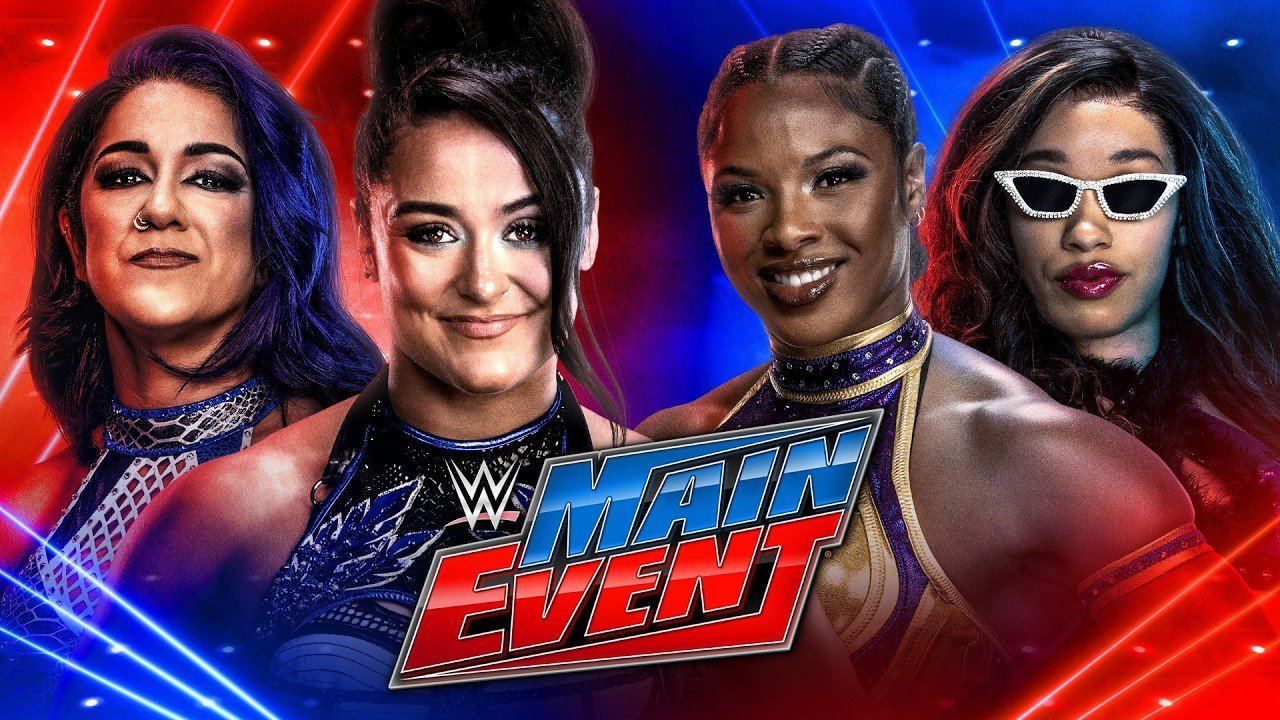
7. Surprise Debuts in the Women's Division
The surprise signing of three top-tier indie talents during the mid-summer tour provided the necessary adrenaline shot. Each debut occurred without prior social media leaks, keeping the live crowd reaction authentic. However, the immediate booking of these wrestlers into generic ladder matches felt lazy and rushed. They deserve better than being thrown into dangerous spots to chase a cheap pop.
6. The Production Quality Overhaul
In February, the company shifted to a 4K broadcast standard, permanently altering the visual presentation of arena shows. Better lighting removed the murky shadows that plagued previous years, making every bump clearer for the viewer. While the technical upgrade works, the transition period caused multiple audio sync issues during live commentary. A visual upgrade is meaningless if the viewer cannot catch the play-by-play.
5. The Elimination Chamber Tactical Error
The decision to hold the annual cage event in a smaller arena failed to optimize the tension needed for a multi-man match. Viewers struggled to see the action due to obstructed sightlines from the expanded, lower-hanging lighting rigs. It served as a stark lesson that spectacle requires adequate staging space, as industry analysts noted during the post-show breakdown. The frustration inside the arena was audible.
4. The Return of the Submission Specialist
A veteran technical wrestler re-introduced the sleeper hold as a legitimate finishing maneuver in late May. By winning via count-out or submission in consecutive televised appearances, the move became the most protected weapon in the company. Fans appreciate the return to catch-as-catch-can roots, steering away from the over-reliance on top-rope finishers. It is refreshing to see a hold end a match without a high-flying aerial move.
3. The Crossover Fight Week
Integrating mixed martial arts sequences into traditional wrestling promos created a unique, hyper-real atmosphere. The intensity during these segments outpaced standard scripted brawls. Yet, the mismatch in talent levels made the combat look awkward when performers lacked actual grappling experience. Realism works, but only when the performers treat the discipline with the respect it requires.
2. The Record-Breaking Summer Tour Opener
With an attendance of 52,000 fans, the tour opener set a benchmark for the mid-year schedule. The pacing of the show avoided the traditional bloat of major events, sticking to a tight 3-hour runtime. This set the standard for how to manage mass-market appeal while keeping the hardcore base satisfied. Efficiency should be the priority for all future stadium dates.
1. The Unscripted Mic Drop
The most important moment arrived in early July when a main event star broke script to address genuine contract negotiations. It provided a moment of unfiltered transparency rarely seen in a heavily sanitized corporate environment. Fans tuned in because they realized the tension was authentic, not a plot point. This is how you harness real-world dynamics to build a narrative that actually matters.
Honorable Mentions
The surprise heel turn at the draft left the crowd stunned, though the follow-up promos lacked the necessary vitriol to sustain the momentum. Similarly, the introduction of a new high-speed camera rig during entrance sequences looked impressive but added nothing to the actual in-ring storytelling.