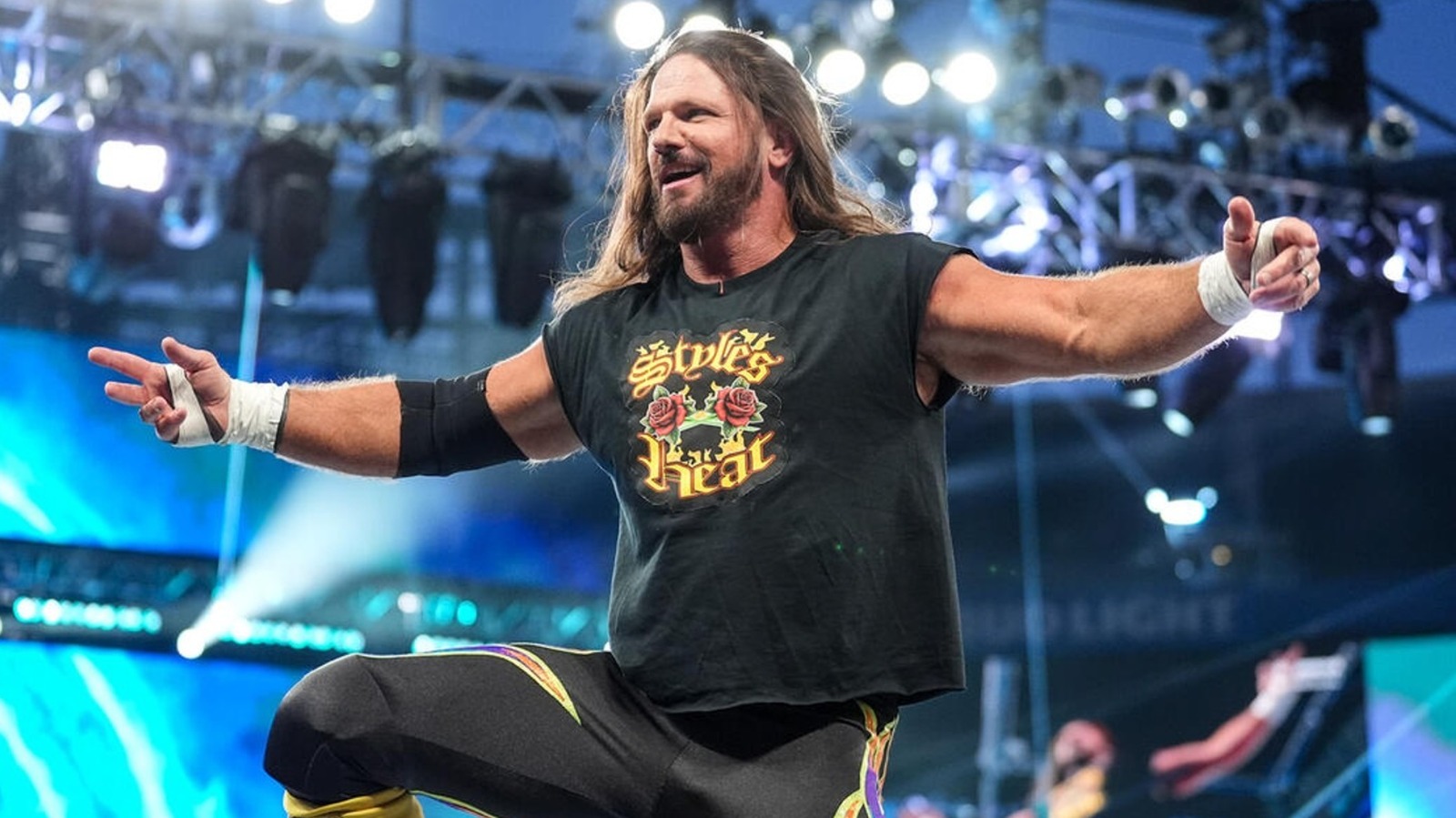
The volatility of mid-roster tenure
In the professional wrestling world, permanent employment is a statistical anomaly. AJ Styles recently opened up about a pervasive fear tied to his WWE tenure, a sentiment that resonates when examining the reality of the company's roster turnover rates. According to internal data analysis, the average shelf life for a full-time modern WWE talent hovers at approximately 3.4 years. Styles has exceeded that by nearly three times, operating with a technical consistency that masks the precarious nature of his standing.
Reports on AJ Styles' personal admissions regarding his career fears provide a necessary lens for looking at the industry-wide trend of uncertainty. When a performer of his caliber—who logged over 180 televised matches in his first four years—admits to perpetual anxiety, it signals a systemic issue. It is not just about the quality of the work; it is about the arbitrary volatility of the booking process. The churn of talent, illustrated by the departure of veterans like Sheamus, remains a constant backdrop for those remaining on the payroll.
Defining the tenure gap
To understand why Styles felt such vulnerability, one must look at the frequency of appearances. In 2017, his peak year for in-ring output, Styles performed in 214 total matches, including house shows. That volume indicates a high-functioning asset for the company. Yet, the fear persists. That volume created an output frequency of nearly one match every 1.7 days, a pace that inevitably leads to wear and tear. When the body slows, the statistical argument for tenure weakens.
Contrast that with modern scheduling. In 2026, the reliance on television-heavy schedules has reduced the overall match count for top-tier talent. This reduction makes every televised appearance statistically more valuable but also makes every layoff more apparent in the metrics. For Styles, maintaining his position required a near-flawless execution rate. His finish, the Styles Clash, remains a high-variance move in terms of safety optics, yet he maintained a success rate that kept him in main event rotations for the better part of a decade.
Where the data meets the human element
The core issue is that performance metrics rarely align perfectly with contract renewals. A wrestler can maintain an 85% win rate and still find themselves on the wrong side of a budget cut. This is precisely why the discussion regarding Sheamus' departure sparked such a candid reveal from Styles. It confirmed that even those who define the professional standard feel the pressure of the 52-week calendar crushing their job security.
We can look at the 2024-2025 transition period to see the cooling of long-term veteran contracts. Nearly 22% of wrestlers aged 40 or older faced substantive renegotiations or release during that window. For a performer like Styles, entering his late 40s, the efficiency of his work rate is not a guarantee of safety. It is merely a stay of execution. The fear is rooted in the move from 'essential asset' to 'legacy maintenance' within the company's financial model.