The night the script died
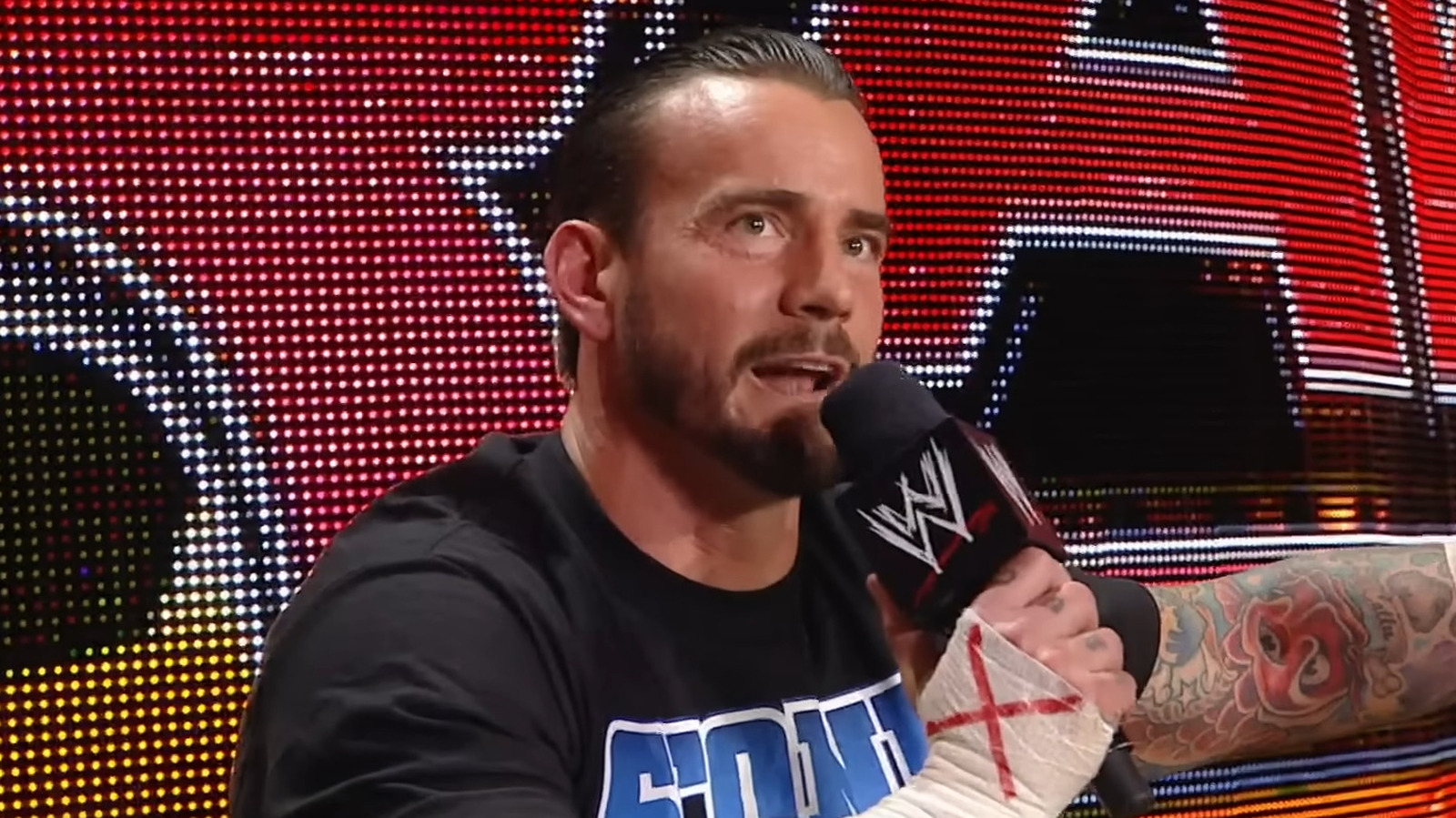
On June 27, 2011, CM Punk sat cross-legged on the entrance ramp in Las Vegas. He wore a Stone Cold Steve Austin shirt, grabbed a microphone, and proceeded to dismantle the entire foundation of the WWE. It wasn't just a promo; it was a hostile takeover of the television feed.
For years, WWE television had been sanitized, scripted, and predictable. When Punk mentioned Paul Heyman, Brock Lesnar, and the decaying state of the locker room, he broke the fourth wall in a way that felt dangerous. We were used to scripted feuds, not a man listing his real-life grievances against Triple H and John Cena.
The blurring of reality
The brilliance of the promo lay in the specific targets. By calling out the McMahon family and the sycophants surrounding them, Punk did what no one else dared. He turned the Money in the Bank 2011 main event into a legit must-watch spectacle. The crowd in Chicago barely a few weeks later cemented this, treating him like a conquering hero while Cena was booed out of the arena.
This moment forced the company to acknowledge the internet wrestling community. Before that night, backstage news felt like a separate entity from the product. Suddenly, the product was reporting on its own internal failures. It paved the way for the rise of independent stars like Daniel Bryan, who would eventually headline WrestleMania 30.
The bitter reality of the aftermath
Despite the initial hype, the follow-through was a disaster. WWE panicked. They took the title off Punk, brought him back too quickly, and buried the momentum under a bizarre Kevin Nash storyline. It was a classic case of the company refusing to let an organic fire burn, opting instead to pour water on it to keep control of the narrative.
Punk himself deserves criticism for how he handled the years that followed. His walkout in 2014 and the subsequent legal battles proved that even the biggest rebels can become disillusioned by the machine. The pipe bomb was lightning in a bottle, but it didn't fix the business model. It just highlighted the cracks.
I'm the best wrestler in the world. I've been the best since day one when I walked into this company.
That line became the mantra for a generation of fans. It proved that in an era of 50/50 booking and sterilized characters, the audience was starving for something raw. You can see the DNA of the pipe bomb in almost every major angle that has followed, from the rise of AEW to the shift in creative direction under Triple H.
The legacy of the mic drop
Did it change wrestling forever? Yes, but mostly because it destroyed the illusion of the corporate curtain. We stopped watching to see who would win the belt and started watching to see who would actually speak their mind. It was the moment the industry stopped pretending to be a pure sport and leaned into its own meta-reality.
Even if the booking that followed was a total mess, the impact is undeniable. You can read more about the legacy of that night and how it shaped the current generation of talent. It remains the gold standard for how to grab an audience by the throat and never let go.
Read Next
- CM Punk's 434-day run was a masterclass in holding a title hostage
- CM Punk is finally on the path to a WrestleMania main event
- WWE Draft 2026 was a chaotic mess that actually worked
- WWE Draft 2026 feels like a mid-card crisis for Raw
- 💰 WWE Money in the Bank 2026 — Full Coverage Hub
- 💊 CM Punk WWE 2026 — Best in the World