The Ultimate Creative Torture
If you want to know what true creative torture looks like, don't look at a bad movie set. Look at Tuesday nights on the Sci-Fi channel in the summer of 2006.
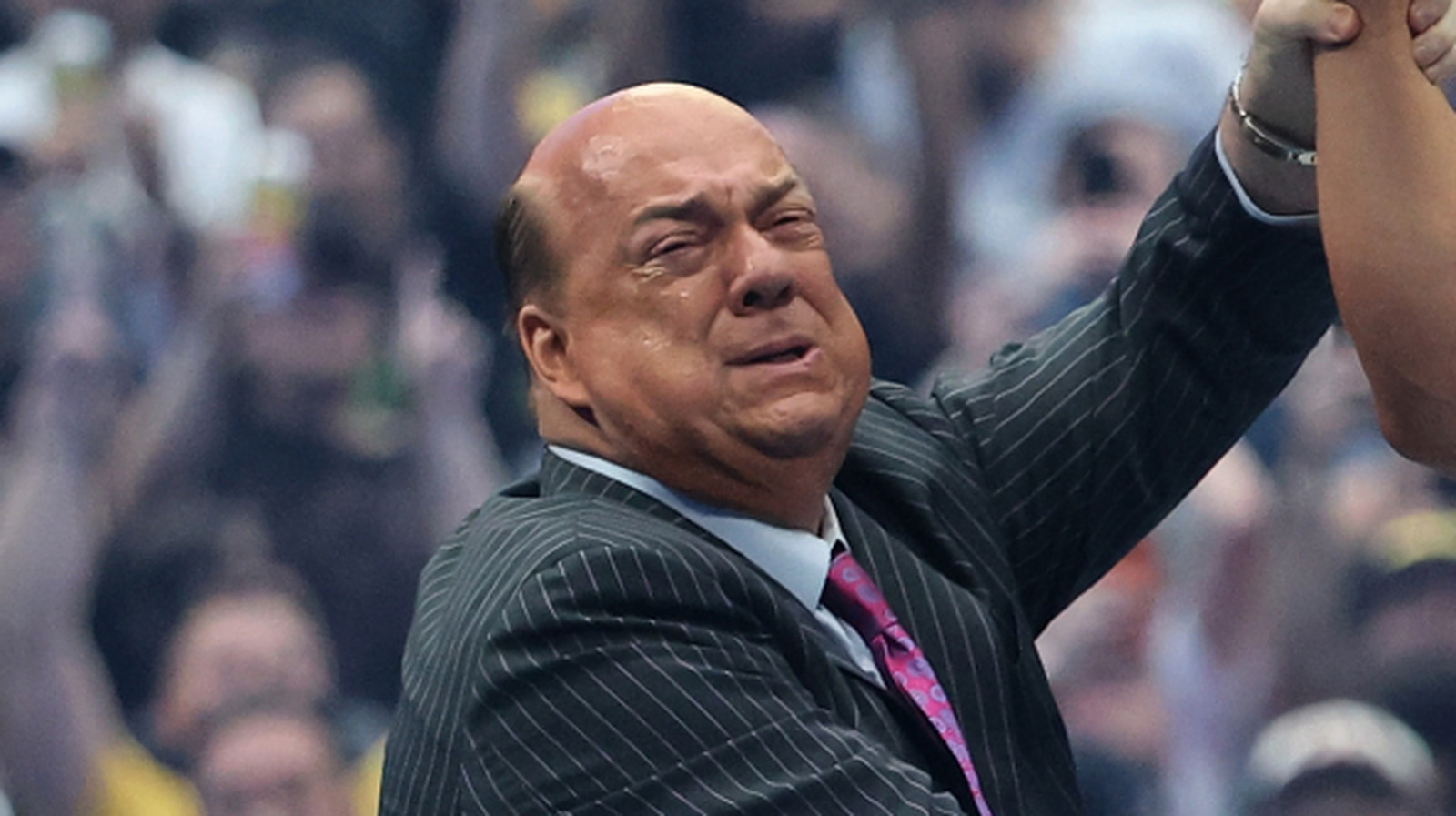
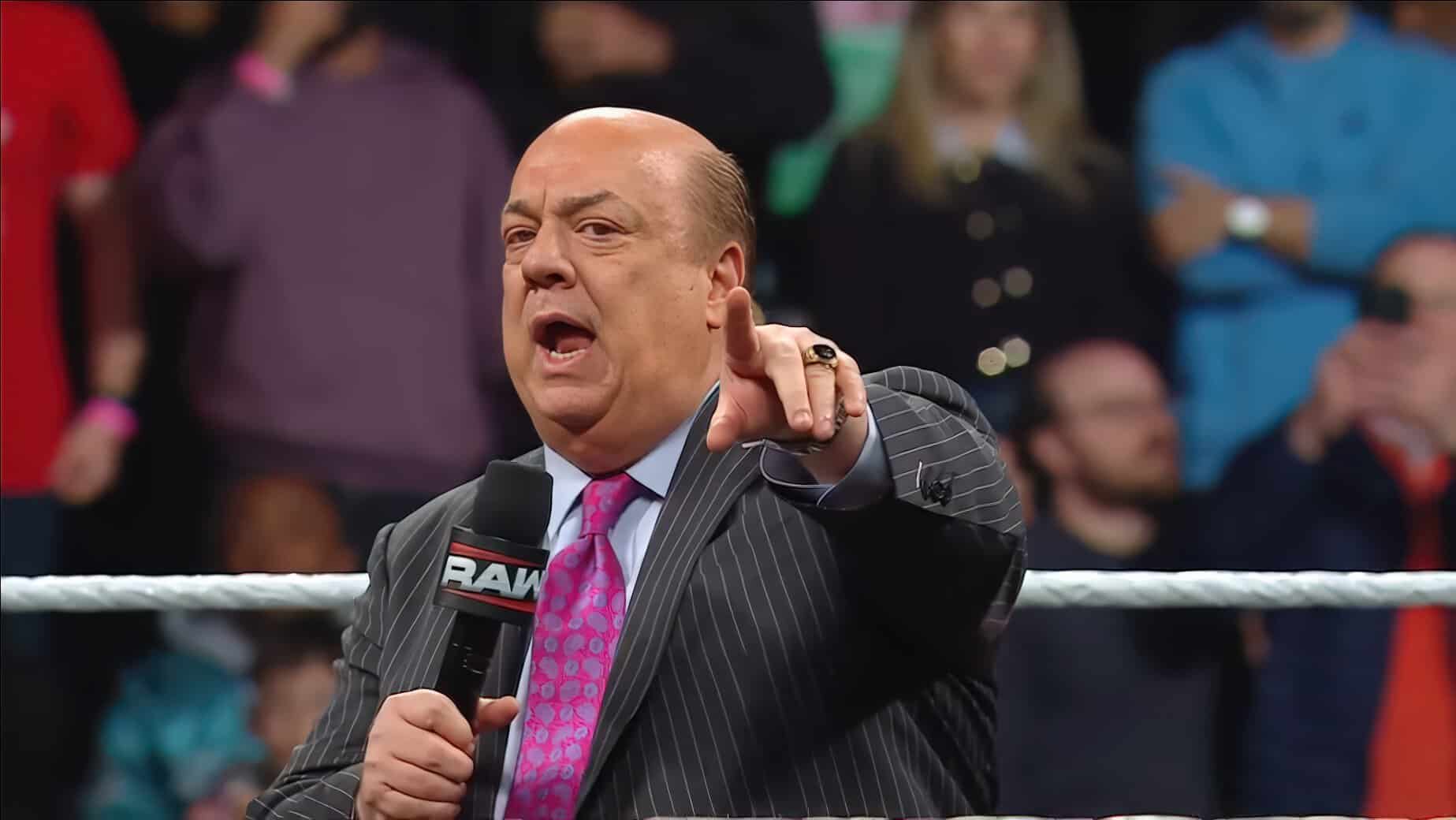
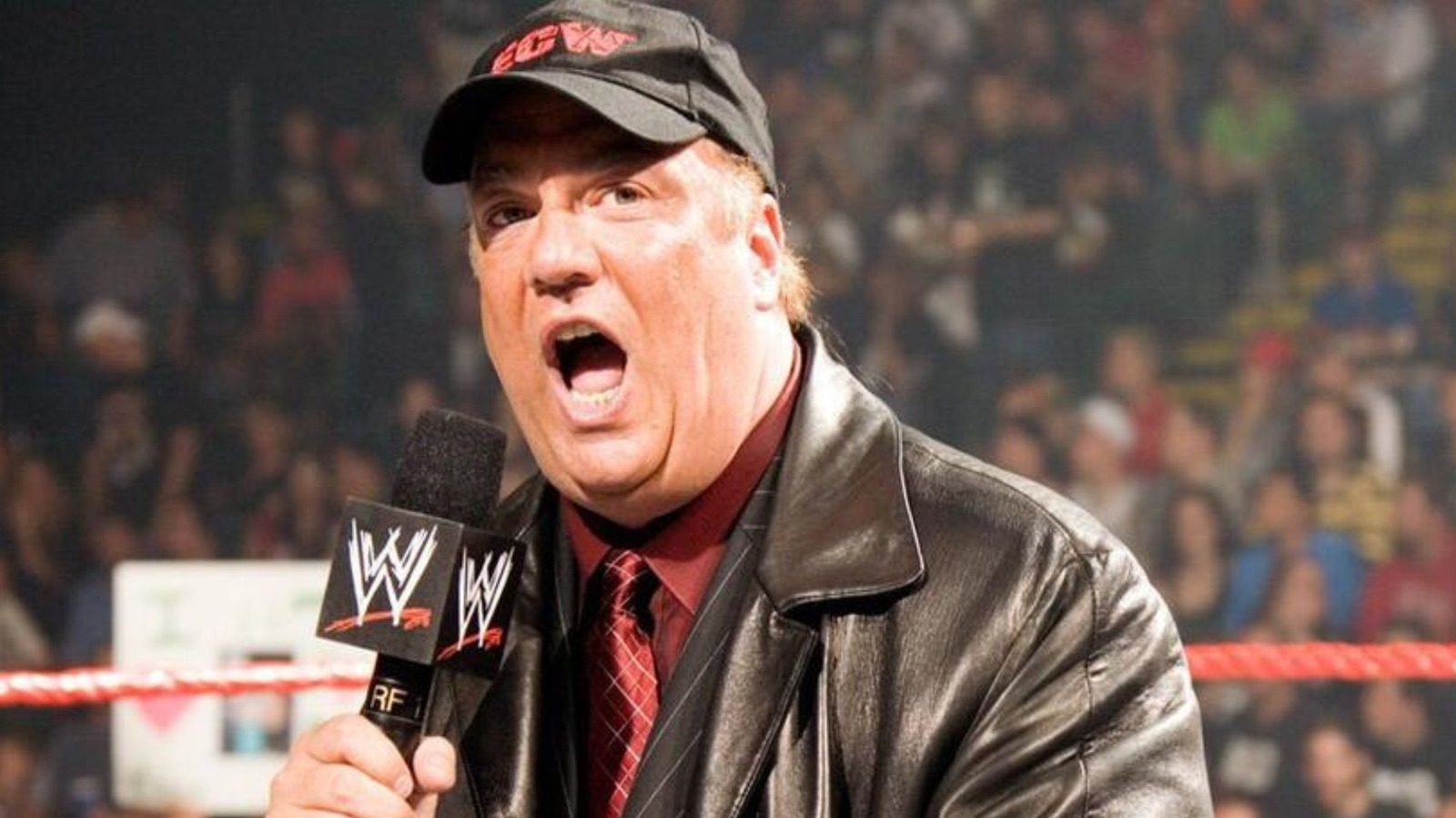
Paul Heyman recently opened up about the WWE's revival of ECW, dropping a painfully honest assessment. He called the entire run a "miserable experience for everybody involved."
No kidding, Paul. We were sitting on our couches watching it every week. It was miserable for us, too.
In 2026, it's easy to look at Heyman as the untouchable genius of the wrestling business. He's the Wiseman. He engineered the Bloodline saga alongside Roman Reigns. He survived and manipulated the Brock Lesnar era. He is firmly entrenched as a Hall of Fame legend who can do no wrong on a live microphone.
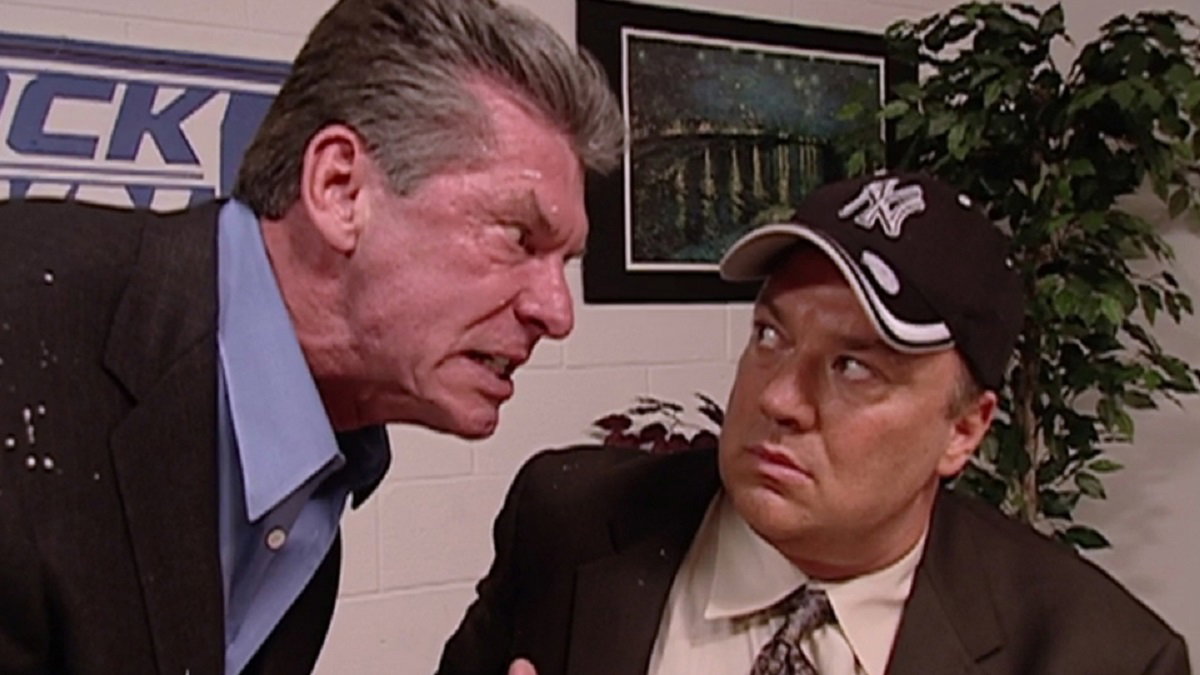
But twenty years ago, he was a man watching his life's work get dragged behind a corporate pickup truck while a billionaire laughed in his ear.
The Perfect Trap
To understand why the WWECW revival was such a spectacular, depressing failure, you have to remember the trap that WWE set for all of us.
They ran the ECW One Night Stand pay-per-view in 2005, and it was perfect. It was a dirty, grimy, authentic love letter to a dead promotion. You had JBL cutting arrogant promos from a balcony. You had Mike Awesome dropping Masato Tanaka on his head in a match that still makes me wince. You had Heyman utterly destroying Eric Bischoff on the microphone with genuine venom.
Because it made money, Vince McMahon wanted to do it again in 2006. One Night Stand 2006 gave us the legendary visual of Rob Van Dam beating John Cena for the WWE Championship in front of a Hammerstein Ballroom crowd that legitimately wanted to riot if Cena won.
The fans threw Cena's shirt back at him five times. Edge speared Cena through a table wearing a motorcycle helmet. RVD hit the Five Star Frog Splash. Heyman counted the three.
We bought the lie. We actually thought McMahon was going to let Heyman run a gritty, TV-MA third brand. We thought we were getting a violent alternative to the sterile Monday Night Raw product.
Enter the Zombie
Instead, we got a zombie. Literally.
On the very first episode of ECW on Sci-Fi, The Sandman walked out and caned a man dressed as an actual zombie. I remember sitting there, staring at my television, trying to process the absolute stupidity of the segment.
This wasn't the bingo hall in South Philly. This was a watered-down, over-produced WWE C-show wearing the flayed skin of a rebel promotion.
Things went downhill with alarming speed. Rob Van Dam and Sabu got pulled over by highway patrol in Ohio. They were caught with weed and painkillers. RVD was holding both the WWE and ECW titles at the time.
McMahon's reaction was swift and merciless. He forced RVD to drop the WWE Championship to Edge on Monday night, and then drop the ECW Championship to Big Show on Tuesday night in Philadelphia. Heyman himself had to count the pinfall as Big Show pinned his top star in front of the most hostile crowd imaginable.
That was the exact moment the brand officially died. McMahon ripped the steering wheel out of Heyman's hands, and the vehicle immediately swerved into a ditch.
The Creative Tug-of-War
What followed was a weekly creative tug-of-war between a visionary trying to save his baby and a billionaire who just wanted to prove a point.
Heyman wanted to build the brand around a young, straight-edge punk rocker from Chicago named CM Punk. McMahon wanted to build the brand around Bobby Lashley.
Lashley is a fantastic athlete, but pushing him as the face of an "extreme" brand in 2006 was like putting ketchup on a prime rib. It fundamentally misunderstood the audience.
The ECW fans wanted violence, work-rate, and anti-heroes. McMahon gave them a soft-spoken powerhouse who belonged in a standard WWE main event scene fighting King Booker or Finlay.
The disconnect became embarrassing on television. WWE booked Batista to face Big Show at the Hammerstein Ballroom for a regular episode of ECW television. The crowd completely turned on the match. They chanted "Change the channel" and booed both men relentlessly. Batista looked furious. Big Show looked tired.
It was a glaring spotlight on the fact that the original fanbase wanted absolutely nothing to do with the WWE superstars invading their space.
The only saving grace of those early months was Kurt Angle. Billed as the "Wrestling Machine," Angle wore a mouthguard, ditched the goofy comedy, and started snapping ankles. His match with Sabu in front of a molten Hammerstein crowd was a glimpse of what the brand could have been. But Angle was physically falling apart, heavily addicted to painkillers, and deeply unhappy. He abruptly left the company for TNA just a few months into the ECW experiment. Once Angle was gone, the last shred of legitimacy walked out the door with him.
The December to Dismember Disaster
The ultimate breaking point—the moment that sent Heyman packing—was December to Dismember 2006.
If you ever want to punish yourself, go on the WWE Network and watch it. It is widely considered the worst pay-per-view in company history, and I will gladly fight anyone who argues otherwise.
They booked an arena in Augusta, Georgia. A town that had absolutely zero connection to the ECW history or aesthetic. The building was half-empty and the fans sat on their hands all night. They went into a premium live event with exactly two matches announced on the card for a fifty dollar pay-per-view.
The main event was the Extreme Elimination Chamber. Heyman saw an opportunity to salvage the brand and create a massive star. He pitched a logical, crowd-pleasing finish: have CM Punk choke out the Big Show in the middle of the ring. Establish Punk instantly as a killer.
McMahon completely vetoed the idea. He insisted that Punk get eliminated first, and that Lashley run through the remaining competitors to win the title.
To make matters worse, Sabu was removed from the match on the day of the show and replaced by Hardcore Holly. Nothing against Bob Holly, but nobody bought a ticket to see him in an Extreme Elimination Chamber.
When Punk was pinned early, the crowd turned on the entire show. They chanted for TNA. They threw trash. Lashley won the belt, and the reaction was total, suffocating apathy.
Heyman argued with McMahon right up until the match went through the curtain. He knew it was a disaster. McMahon didn't care. Heyman was sent home shortly after the event, ending his involvement with the company for years.
The Sad Final Act
The post-Heyman era of WWECW was a strange, sad wasteland. We had to endure the "New Breed" faction featuring Matt Striker, Marcus Cor Von, and Kevin Thorn the vampire. We watched Chavo Guerrero carry the silver championship belt around like a mid-card prop.
We saw Kelly Kelly doing stripteases just to pop a quick rating for the Sci-Fi executives who demanded more skin on their network.
Even though Punk survived the terrible booking of December to Dismember and eventually won the ECW Championship in 2007, the damage to the brand's identity was permanent. Punk had to claw his way out of the Tuesday night purgatory to eventually drop his legendary pipebomb years later. If McMahon had his way in 2006, Punk might have been released before he ever made it to Raw.
There were brief flashes of good wrestling, mostly when Christian returned in 2009 and put on a string of incredibly solid matches with guys like Jack Swagger and Shelton Benjamin. But by that point, it was just NXT Beta.
The final insult came on the very last episode of the show in 2010. Ezekiel Jackson defeated Christian in an Extreme Rules match to win the ECW Championship. The brand was retired immediately afterward.
Big Zeke holds the honor of being the final champion in the lineage of Shane Douglas, Terry Funk, and Taz. Just let that soak in for a second. It is the most depressing trivia answer in modern wrestling history.
Manufacturing the Soul
When Heyman calls the experience miserable, he isn't just cutting a promo or exaggerating for a documentary. He's reflecting on the soul-crushing reality of corporate wrestling.
WWE didn't want to revive ECW. They wanted to own it, sanitize it, and sell action figures of it. They bought the rebel, put him in a cheap suit, and told him to read lines written by Hollywood rejects.
The fact that Heyman survived that era, rehabilitated his career, and is now the most respected mind behind the scenes at WrestleMania 41 in just a few weeks is nothing short of a miracle. He took the worst beating of his professional life in 2006, and he had to do it on national television.
The revival was a miserable experience for Heyman, it was a miserable experience for the wrestlers who had to navigate the backstage politics, and it was a miserable experience for the fans who just wanted their gritty alternative back.
It is a perfect case study in how not to handle inherited intellectual property. You can buy the tape library, you can own the trademarks, but you cannot manufacture the soul.
McMahon tried, failed miserably, and left Heyman to sweep up the broken glass. At least now, twenty years later, the Wiseman can finally look back and tell the truth about how bad it really was. We knew it then, Paul. We definitely know it now.