The Tactical Framework of the Headset
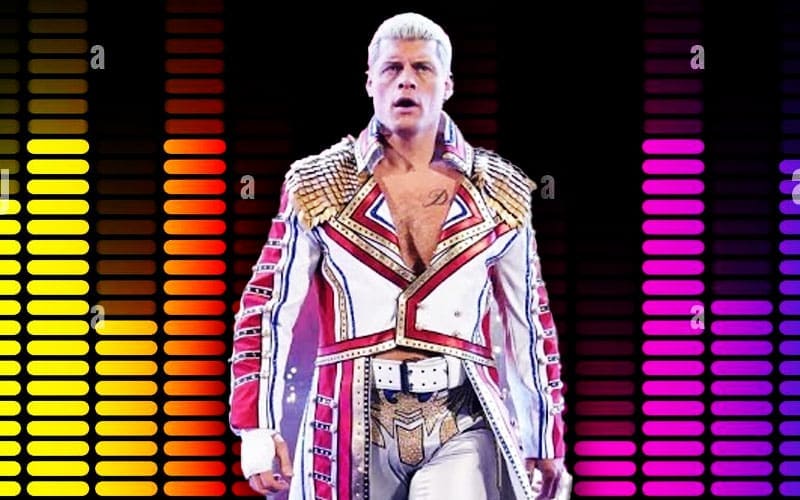
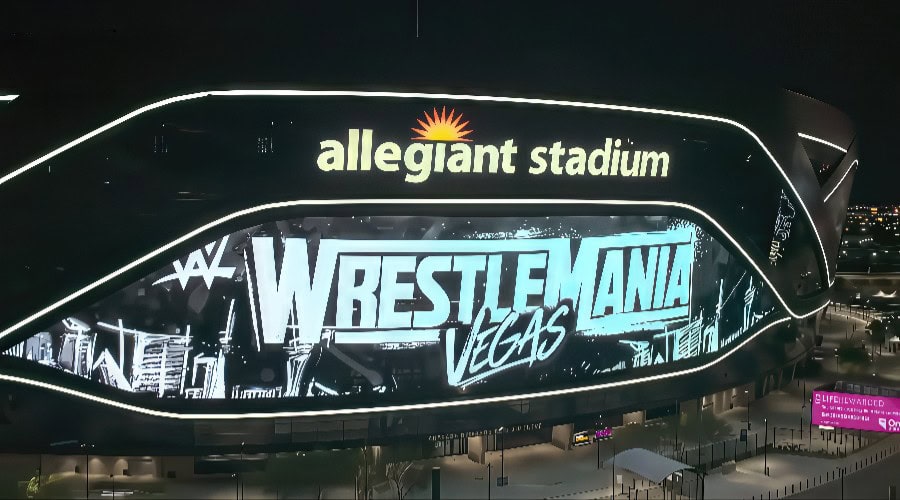
We are exactly 22 days away from the start of WrestleMania 41 in Las Vegas. When Cody Rhodes defends the WWE Championship against Roman Reigns on Night 2, the internet will inevitably dissect the ring psychology. They will chart the false finishes. They will debate the timing of the Bloodline's inevitable interference.
But the most critical performance of the entire weekend will not happen between the ropes. It will happen at the broadcast desk. Michael Cole is currently operating at the absolute peak of his profession. He is the tactical anchor of the WWE product. Treating his commentary as mere background noise is like ignoring a holding midfielder in soccer. He dictates the entire pace of the match.
For over two decades, Cole was forced to micromanage every second of television. He was an extension of a chaotic production truck. Today, his approach has fundamentally shifted. He is reading the game differently. He understands spacing. He knows that his voice is a finite resource, and if he spends it too early in a match, the finish will lack impact.
Think of Jim Ross in the late 1990s. Ross was a heavy-volume broadcaster. He battered the viewer with raw, unfiltered emotion. Every stunner was a crisis. Every chair shot was a felony. It worked perfectly for the chaotic pacing of the Attitude Era. But modern wrestling is structured differently. The matches are longer. The athletic sequences are significantly more complex. If a commentator screams at maximum volume for twenty minutes, the viewer suffers from extreme auditory fatigue.
Cole has figured this out. He has transitioned into a more methodical, possession-based style of broadcasting. He maintains control of the narrative without exhausting the audience. He builds his vocal intensity gradually, ensuring that when he finally hits his highest register, the viewer instinctively knows the match is ending. This evolution is not going unnoticed by his peers. Corey Graves recently spoke about his own development at the desk, explicitly crediting Cole for teaching him when silence matters most. That is the hallmark of a veteran who finally trusts his own internal clock.
The Pressing Triggers of Commentary
Commentary requires an aggressive awareness of pressing triggers. When a heel slows down the pace with a rest hold, the commentator must press the action by filling the dead air with context and history. When the match accelerates into a sequence of near-falls, the commentator must drop back and let the physical action breathe.
This is where fans often misunderstand Cole's methodology. The most common critique leveled against him is his heavy reliance on repeated talking points. Fans get frustrated when he hammers the exact same narrative beats at 8:15 PM and again at 9:45 PM. They view it as a lack of creativity.
Cole is completely aware of this heat. He is actively pushing back on criticism over his repeating points, and frankly, he is entirely justified. Television wrestling is not a closed circuit. The audience is constantly churning. Viewers flip the channel during commercials and return midway through a match.
Repetition is a structural requirement. It is the broadcast equivalent of resetting the formation. If Cole does not consistently establish the stakes, the casual viewer is completely lost. He sacrifices his own popularity with hardcore fans to ensure the broader audience remains engaged. It is a selfless, tactical necessity.
The Unforced Errors Under Pressure
Despite his current run of form, Cole is not immune to catastrophic mistakes. When evaluating his chances of nailing the WrestleMania 41 main event, you have to look at his historical head-to-head record against the pressure of the show of shows. It is a mixed bag.
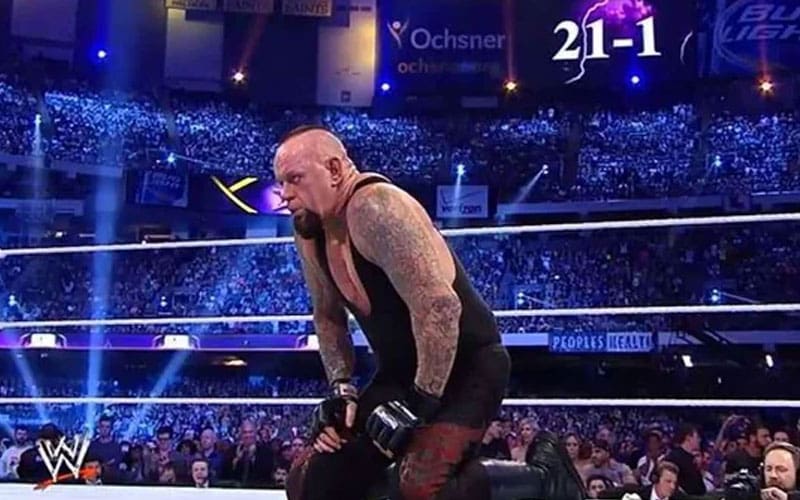
His ceiling is undeniably high. He provided the definitive soundtrack for the most shocking moment in modern wrestling history. When Brock Lesnar pinned The Undertaker at WrestleMania 30, Cole delivered the iconic "The Streak is over" line with terrifying finality. He recently detailed how that moment unfolded, confirming that his reaction was driven by pure, real-time shock. He read the referee's hand and fired his shot perfectly.
But his floor can be disastrous. When the finish of a match lacks visual clarity, Cole's spatial awareness sometimes collapses. The most glaring example is the main event of WrestleMania 37.
When Bianca Belair hit the KOD on Sasha Banks, she secured the pinfall to win the championship. It was a flawless in-ring execution. But Cole completely misread the sequence. He declared that Banks had kicked out, single-handedly ruining the immediate television translation of the moment.
He has since admitted that he was deeply embarrassed by the mistake. It is a massive red flag on his resume. When the referee's cadence is slightly off, Cole occasionally panics. Instead of trusting his eyes, he second-guesses the visual evidence. That hesitation is his biggest remaining flaw. If Roman Reigns and Cody Rhodes get sloppy in the final two minutes on April 20, Cole is at risk of another unforced error.
A Shift Toward the In-Ring Product
However, the data suggests Cole is better prepared for this year's main event than ever before. His appreciation for pure wrestling mechanics has spiked dramatically over the last two years. He is no longer just selling storylines. He is actively analyzing work rate.
You can hear this shift in his vocabulary. He recently went on the record to praise a specific WWE star, explicitly calling them the
"best professional wrestler on the planet today."That exact phrasing is revealing.
He did not say "sports entertainer." He did not say "superstar." He used the exact terminology of the independent scene. He is watching the physical execution of the matches with a much sharper eye. He is anticipating the transitions instead of just reacting to the impact of the moves.
We are seeing this play out week after week on television. Look at how he handles the middle ten minutes of a standard television main event right now. He provides historical context. He discusses the physical toll of specific holds. He is actively building a framework of logic around the violence.
This is why his peers respect his current run. When you have a commentator who treats the in-ring action with that level of respect, it elevates the entire roster. It makes the mid-card matches feel important. It makes the main events feel like legitimate sporting contests. He is no longer fighting against the product. He is actively enhancing it.
Predicting the WrestleMania 41 Main Event
This brings us to the prediction. How will Michael Cole navigate the chaos of the biggest match of the year?
Cody Rhodes defending against Roman Reigns will not be a clean, technical exhibition. The Bloodline will undoubtedly interfere. We will see referee bumps, weapon spots, and at least three prolonged near-falls. It will be an overbooked, high-stress environment designed to test the nerves of everyone involved.
Five years ago, Cole would have ruined this match. He would have screamed over every single run-in. He would have panicked during the near-falls. He would have flooded the audio track with corporate branding.
But I am predicting a completely different outcome for WrestleMania 41. I predict Michael Cole will deliver a masterclass in broadcast restraint.
When the final sequence initiates, Cole will recognize the shift in momentum. When Cody hits his final series of offensive maneuvers, Cole will deliberately step back from the microphone. He will not try to out-shout the 70,000 fans inside Allegiant Stadium. He will let the ambient noise carry the television product.
He knows exactly what is at stake. He knows he cannot afford another Sasha Banks-level mistake on this stage. My prediction is simple: Cole will offer less than thirty words in the final two minutes of the match. He will hit one definitive line of shock, and then he will let the visuals breathe.
He will secure the moment not by what he says, but by his absolute refusal to speak. And it will be the best call of his entire career.
Read Next