Why NJPW’s Best of the Super Juniors needs a stylistic reset
The grind of the tournament cycle
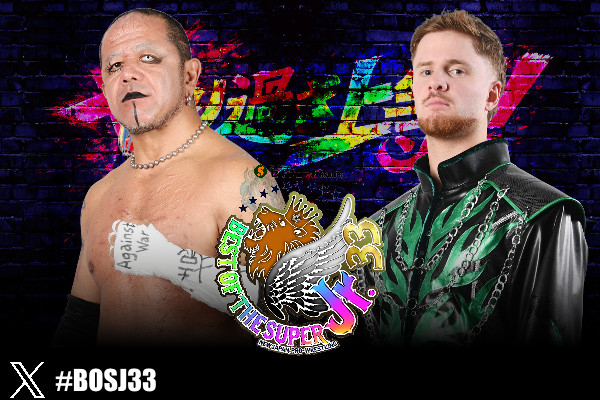
The 33rd annual Best of the Super Juniors tournament is currently pushing through its eighth night, but the fatigue is setting in behind the scenes. As recent results indicate, the sheer volume of matches in the current format is beginning to cannibalize the intensity of the competition. Sitting inside Kiramesse Numazu on May 27th, 2026, the 777 fans in attendance were treated to solid technical work, yet the stakes often felt tethered to a rigid schedule rather than genuine narrative momentum.
The data from the tournament reveals a concerning trend toward predictability in pacing. While Tatsuya Matsumoto’s victory via Knee Bar over Taisei Nakahara clocked in at 7:05, it functioned more as a check-the-box entry than a defining athletic statement. These matches remain technically proficient, but they lack the desperation necessary to distinguish a marquee tournament from a standard house show block.
The contrast in independent wrestling
Observe the structural discipline in other promotions currently running concurrent shows. On May 24th, 2026, the OPW Light Heavyweight Tournament concluded in Osaka with a remarkably tighter focus. The semi-final where Suzaku pinned the champion Ultimate Spider Jr in 9:10 provided a high-stakes elevation that felt earned because the time allotment was strictly maintained to maximize impact.
When you contrast this with the sprawling, month-long nature of the current NJPW schedule, the difference is immediate. The tournament fatigue isn't just a fan perspective; it is visible in the physical output of the wrestlers who are being asked to maintain peak performance across a punishing series of league standings. NJPW is relying on the prestige of the tournament brand to carry the weight, neglecting the fact that without consistent high-end tension, even the best technical wrestlers appear to be going through the motions.
Booking drift and the need for innovation
Perhaps the most critical failure in the current booking is the lack of coherent escalation. During Stardom’s Queen Dynasty event on May 23rd, 2026, the promotion utilized a non-title showcase for Syuri against Kiyoka Kotatsu which, while fundamentally sound, felt like an unnecessary detour for a champion of her caliber.
We are seeing similar stagnation across various territories, from the title defense outcomes in AAA to the ongoing shuffle in Dragon Gate. Laredo Kid retaining his cruiserweight title with a Frog Splash in 8:51 is a safe booking choice, but safe choices are death to long-term audience engagement. The wrestling industry currently faces a bottleneck where quantity is prioritized over the unique clash of styles that once defined these promotions.
An 8-minute match that tells a story is always superior to a 20-minute match that merely burns clock. If the Best of the Super Juniors wants to reclaim its status as the premier junior heavyweight proving ground in the world, the match-makers must cut the filler starting with the final block matches. The ability to pivot based on crowd response—rather than strictly adhering to a predetermined league table—is what separates a great tournament from a long one. As of now, the current slate is too heavy and far too rigid to capture the imagination of the global audience.
Mattel WWE Elite Collection Series 109 - Rey Mysterio Action Figure
Highly poseable, authentic gear, and ready for the ring.
Frequently Asked Questions
Why is the current Best of the Super Juniors tournament struggling?
What is the main issue with NJPW’s current match pacing?
How does OPW’s tournament structure differ from NJPW?
What is the primary booking mistake currently affecting wrestling promotions?
How can NJPW improve the Best of the Super Juniors tournament?
More Coverage

WWE roster health update: A mid-summer injury reality check
2 hours ago
WWE at MSG: Why the Saturday Night return failed the math test
4 hours ago
Sami Zayn's exit from the main event scene is a major creative stumble
6 hours ago
Top 10: The G1 Climax 36 Opening Weekend Shakeout
6 hours ago
G1 Climax 36 is already testing the limits of New Japan's depth
6 hours agoShota Umino ruled out of G1 Climax after Hokkaido incident
7 hours agoMore Analysis
Why the Best of the Super Juniors is feeling a little thin this year
1 month, 3 weeks ago
Why the Best of the Super Juniors 33 is already losing its momentum
1 month, 4 weeks ago
Best of the Super Juniors 33 is defined by its brutal semifinals
1 month, 1 week ago
BOSJ 33 announcements expose NJPW's desperate need for fresh blood
3 months, 2 weeks ago
The BOSJ fatigue is real, but the finishing stretch demands your attention
1 month, 3 weeks ago