Major changes hit the MLW broadcast strategy
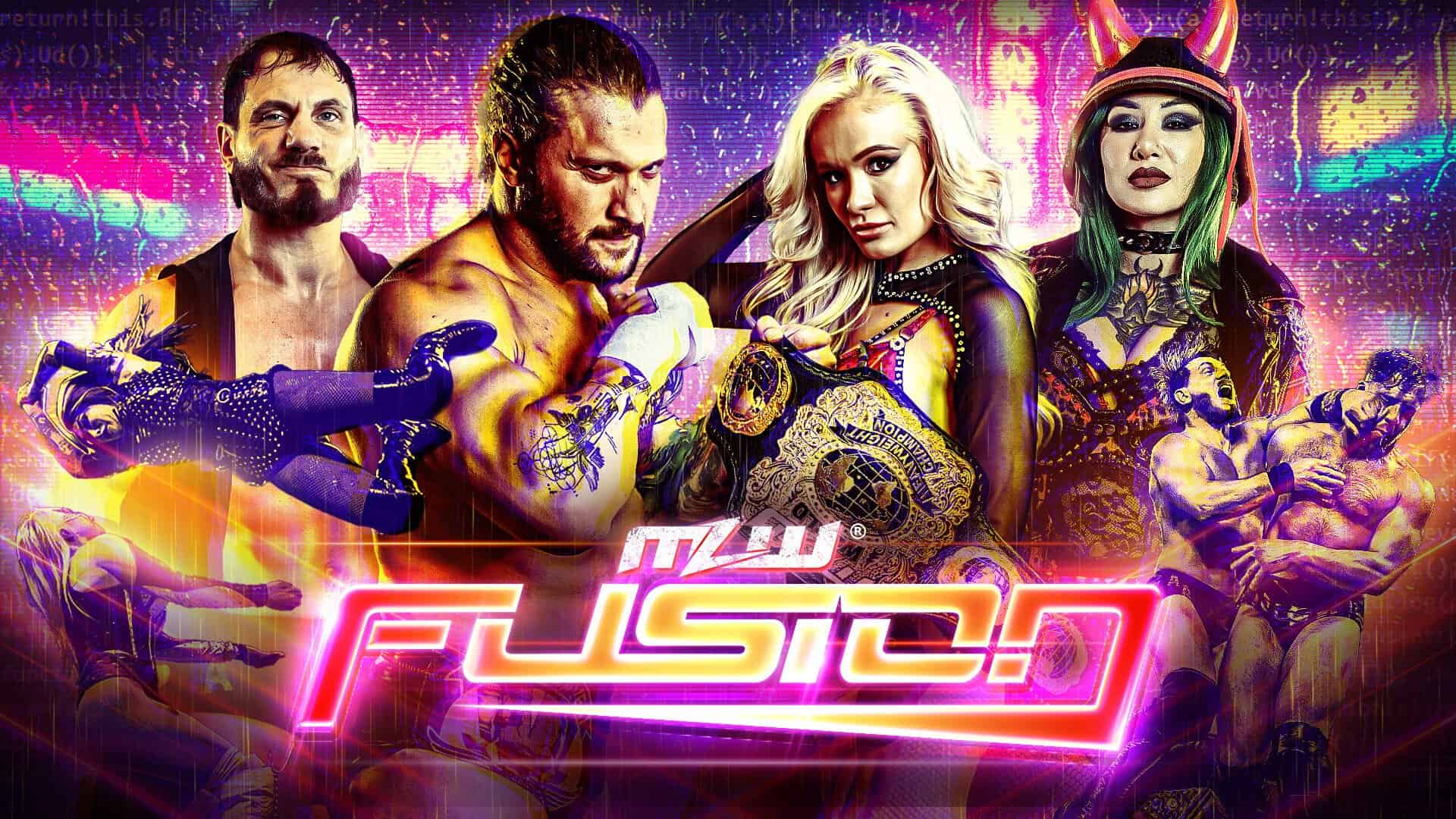
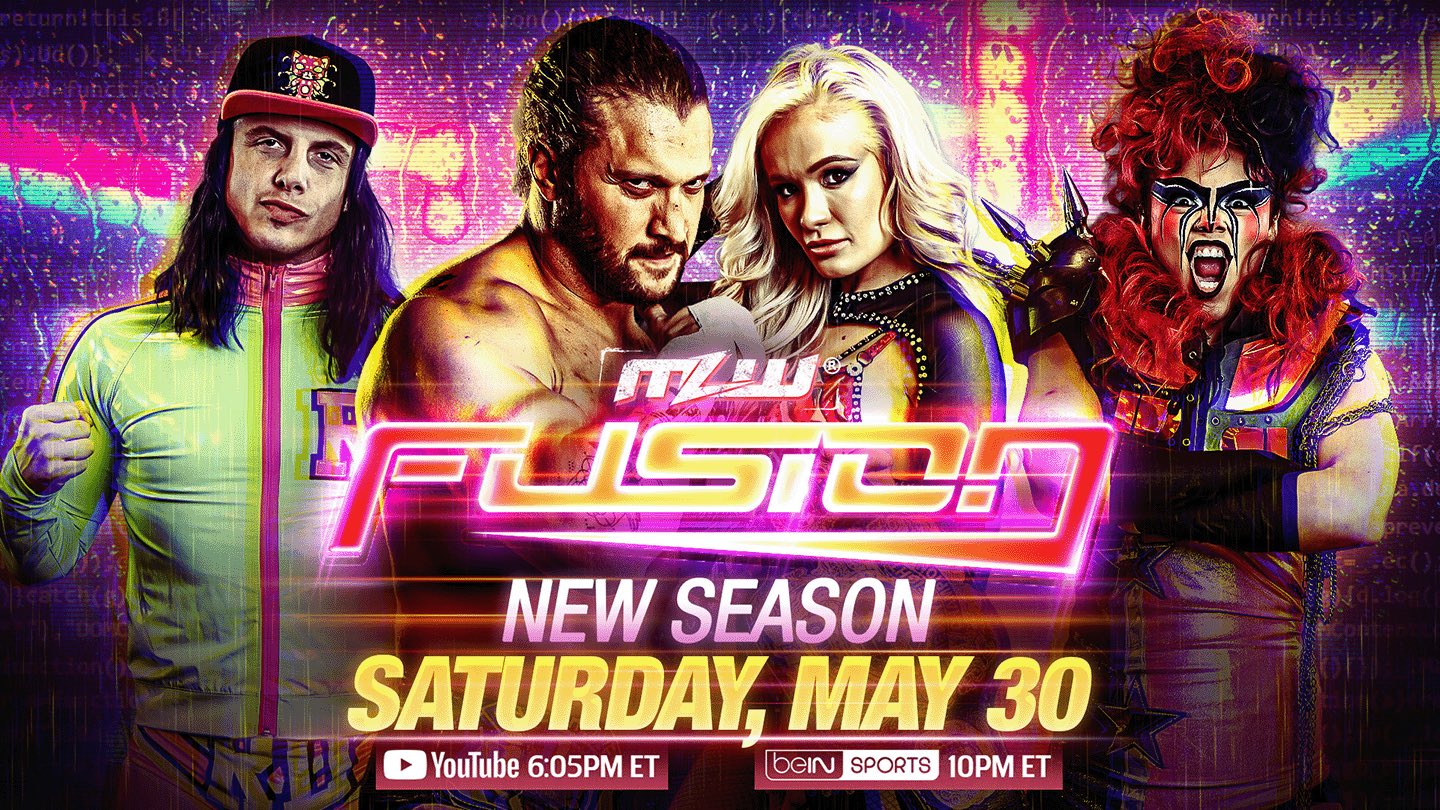
Major League Wrestling is bracing for a significant shake-up this weekend as the promotion returns to its roots with a 2-hour premiere of MLW Fusion. The flagship show, which makes its return to beIN SPORTS and YouTube this Saturday, is looking to regain momentum after months of fluctuating digital availability. The return signifies a shift towards reclaiming a consistent time slot for their core audience.
As reported by PWInsider, the back-to-basics approach is coupled with an aggressive expansion into new digital territories. The company is actively diversifying where its content lives, prioritizing reach over exclusivity. This is a direct response to the fragmented way fans currently consume professional wrestling.
Killer Kross takes center stage
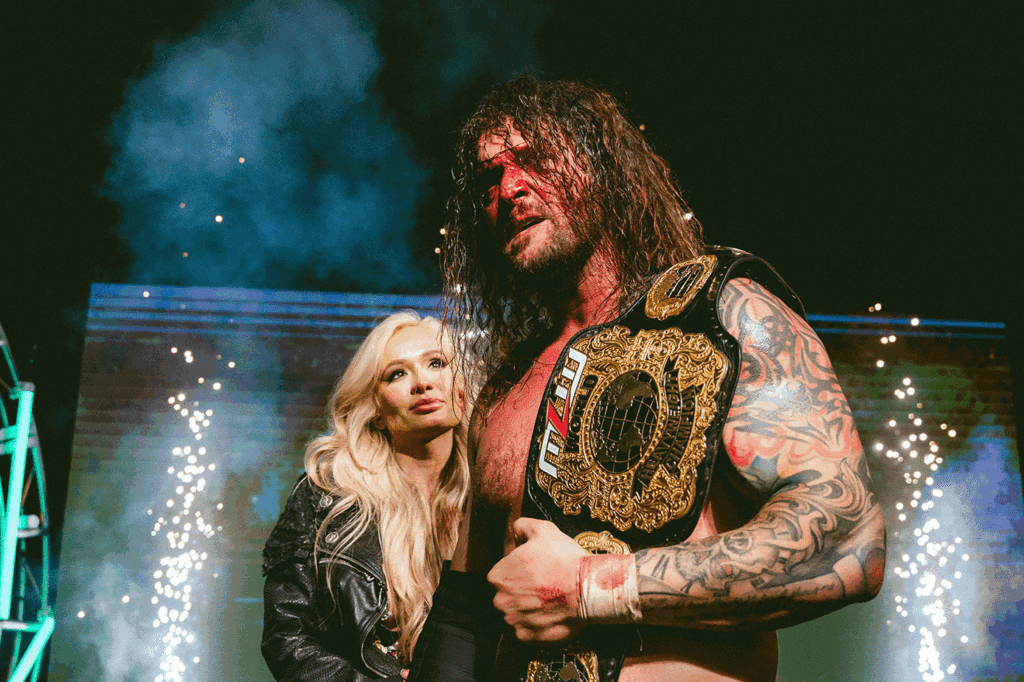
The primary attraction for the return episode is a scheduled press conference involving Killer Kross. Kross, who emerged as one of the promotion's most polarizing figures in recent cycles, is expected to address his current standing within the organization. This isn't just a promo segment; it is structured to feel like legitimate media availability.
Bringing the format of a formal media briefing into television wrestling is a risky maneuver. When done correctly, it builds intrigue and separates the performer from the character. When it falls flat, it feels like an anchor on the show's pacing. The effectiveness of this segment will hinge on whether Kross can maintain the tension without feeling overly scripted or rehearsed.
Celebrity synergy or needless distraction?
Perhaps the most unexpected detail attached to Saturday's broadcast is the appearance of actor Danny McBride. While MLW has flirted with crossover talent in the past, putting a mainstream comedic actor into a wrestling production requires careful handling. There is a fine line between a fun cameo and a jarring departure from the product's tone.
McBride is known for his abrasive and chaotic comedic energy, which could either fit the gritty aesthetic of MLW or stick out like a sore thumb. If the goal is to draw eyeballs from outside the traditional wrestling bubble, the experiment is worth trying. If it fails to land, it could alienate the hardcore base that tunes in specifically for the in-ring technical work.
Digital footprint enlargement
The business side of this weekend's news is perhaps more impactful than the in-ring product itself. Multiple sources confirm that the promotion has solidified an additional digital platform for the distribution of Fusion. This move addresses the ongoing struggle to monetize content in an era where traditional cable ratings are steadily declining across the industry.
By spreading their content, MLW is playing a numbers game. They are wagering that the friction of finding the show on multiple apps is less detrimental than being unavailable on those services in the first place. Whether this actually translates to stronger brand loyalty or just wider, shallower exposure is the data point to track through the summer.
The reality of the scheduling gap
Despite the excitement surrounding this weekend, the execution of the 2-hour format poses a legitimate challenge. Maintaining a high-quality product for 120 minutes is difficult for any promotion, especially one recovering from the volatility of its past broadcast situation. The gap between the show's previous iteration and Saturday's return has been long enough that the roster will need to show immediate intensity.
If the promotion relies too heavily on talking segments like the Kross press conference instead of high-impact matches, the 2-hour runtime could feel grueling. Wrestling fans have a low tolerance for slow-burn storytelling when the immediate gratification of a strong opening match is missing. Saturday’s episode serves as a litmus test for whether the promotion can deliver a packed, energetic product consistently.
Ultimately, the inclusion of names like Kross and McBride shows a desire to make noise in a crowded professional wrestling market. The success of this move will be judged by the retention rate of the viewers who tune in for the premiere. If they can stick the landing, it provides a solid foundation for the remainder of 2026. If the production is disjointed, it risks stalling before the summer season even begins, leaving the product at a distinct disadvantage compared to their larger domestic competitors.