The end of the Bushiroad era at NJPW
New Japan Pro-Wrestling is no longer a Bushiroad property. As PWInsider reported this week, Bushiroad has offloaded its entire stake in the promotion, moving New Japan under the full control of TV Asahi. This is not a minor administrative tweak; it is a fundamental shift in the company's financial and creative direction.
For years, Bushiroad utilized NJPW as a tentpole for their larger media ambitions. TV Asahi, however, is a broadcaster first. Their priority is securing high-quality, high-consistency content for their prime-time slots. This pivot likely signals a push toward more accessible, television-friendly storylines, which could impact the traditional G1 Climax pacing or the reliance on long-form, 40-minute epic bouts.
What it means for the western talent market
The immediate buzz in Tokyo involves how TV Asahi will view foreign acquisitions. NJPW historically relied on high-profile gaijin talent like Will Ospreay or Jay White to drive international subscriptions. Under a television-native ownership group, the business model may shift toward stability and accessibility rather than high-risk, high-cost free agent signings.
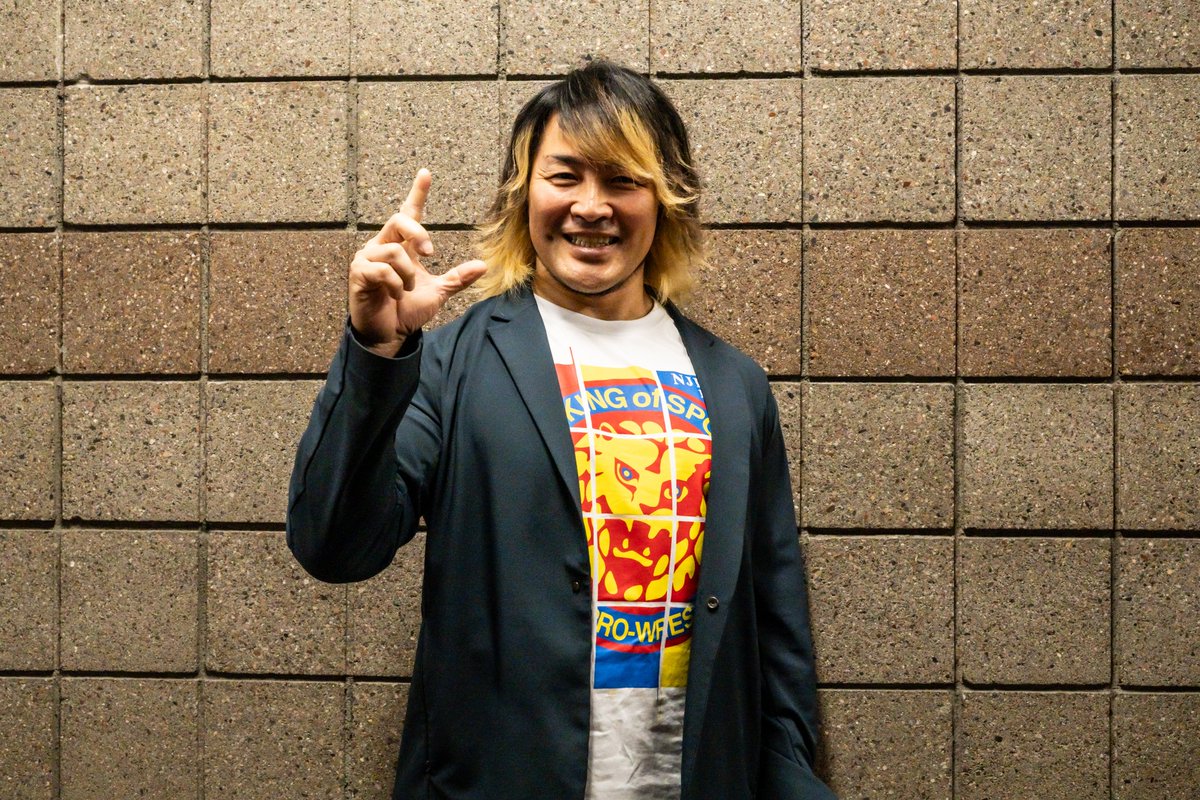
Internal sources confirm that Hiroshi Tanahashi and Takaaki Kidani are both currently working to manage the transition, as reported by F4WOnline. If TV Asahi mandates a tighter grip on travel budgets and performer schedules, some of the newer indie flyers who rely on rotating in and out of the Japanese circuit may find their opportunities dwindling. Contracts might become more restrictive regarding external dates.
The creative risk for the main event scene
The biggest critique of this move is the potential sterilization of the product. New Japan often thrived because it operated with a sense of autonomy from its parent company’s wider marketing goals. A move to being a full-blown TV Asahi subsidiary suggests that middle-management production will dictate the flow of shows. Expect cameras to focus more on corporate sponsors and less on the intimate, gritty details of match psychology.
Technical errors have been creeping into the NJPW product over the last eighteen months, most notably in the pacing of the undercard matches. If the goal is simply 'getting the content on air,' the attention to detail in the performance center and the Dojo training systems might suffer. We have seen what happens when promotions prioritize a TV network's needs over the spirit of the wrestlers themselves. The results are usually predictable and slightly dull.
The probability of roster reshuffling
Speculation is rampant that we will see a thinning of the herd by late 2026. If the company wants to streamline operations to appease TV Asahi’s shareholders, keeping a bloated roster of international stars becomes an easy cost to cut. I anticipate a freeze on new big-budget signings until at least the first quarter of 2027 while the bean-counters assess the overhead.
Current projections suggest we might lose 3-5 high-profile foreign talents by the end of the year. This isn't just about money; it is about creative alignment. If the new regime prioritizes homegrown Japanese talent to ensure long-term stability on domestic screens, the 'International Invasion' dynamic that characterized the mid-2010s will officially be over. This is a cold, calculated evolution of the business.
A look ahead at the impact
The immediate impact of the ownership structure will be clearer once the autumn tour dates are finalized. Expect TV Asahi to demand more 'star power' episodes—shows that look and feel like major events rather than standard road stops. If the viewership numbers don't move during the post-World Cup period this summer, we could see a radical shift back to a heavy domestic focus.
The fans expecting a spending spree should adjust their expectations. This is a defensive move intended to secure the company’s broadcast future, not an expansion project aimed at talent hoarding. New Japan will look very different in six months, and for those who enjoy the chaos of the independent scene, that might not be a positive development. Stability has a price, and in professional wrestling, that price is often the unpredictability that makes the sport interesting in the first place.